



The Allure of the August Highlight
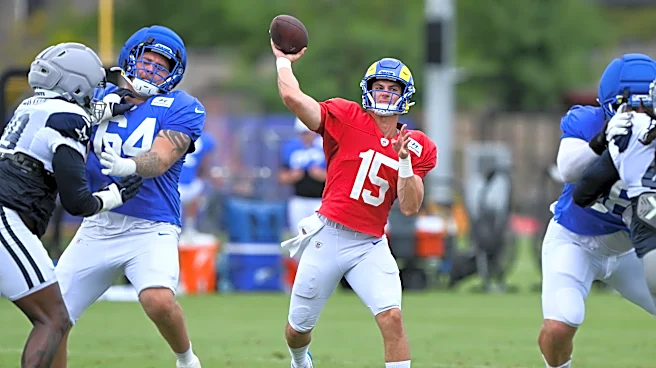
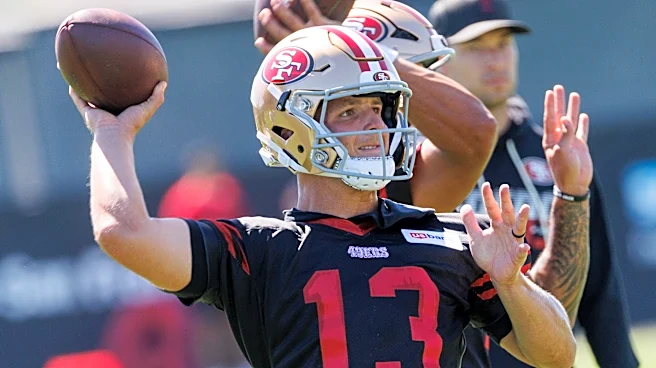
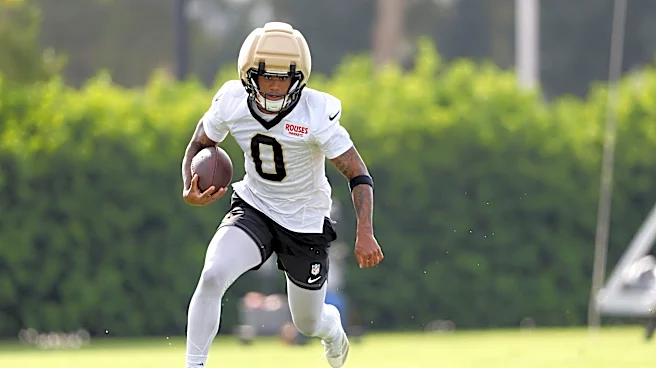
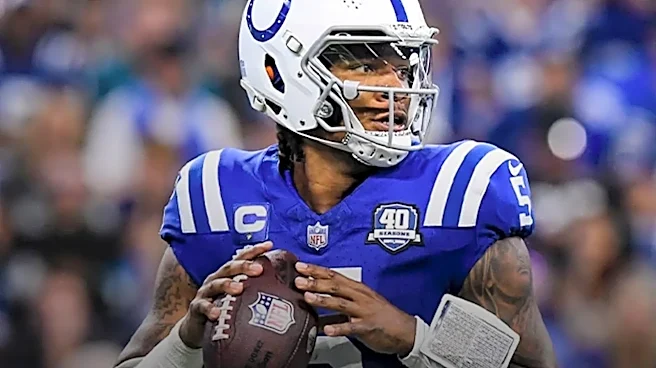
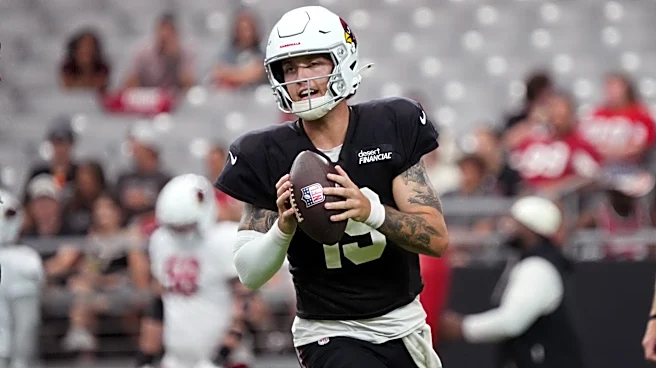
Every year, it happens. A first-round pick, draped in the hopes of a franchise, steps onto the field for their first taste of NFL action. They might thread a perfect deep ball or lead a crisp touchdown drive against players who will be selling insurance
in a month. Fans and analysts alike can get carried away. The excitement is understandable; it's the first tangible evidence that the player your team invested in might just be 'the guy.' In 2016, Dak Prescott's stellar preseason foreshadowed a Rookie of the Year campaign, validating the hype. But for every Prescott, there's a cautionary tale, a player who looked like a world-beater in exhibition games only to struggle when the real season began.
The 'Vanilla' Defense Problem
The single biggest reason to temper expectations is the nature of preseason football itself. Opposing defenses are intentionally simplified. Teams rarely use complex blitz packages or exotic coverages they plan to deploy in the regular season. Why would they put their best schemes on tape for future opponents to study? This means a rookie quarterback is often seeing a watered-down version of what’s to come. They are throwing against basic schemes, often executed by second- and third-string players fighting for a roster spot. A clean pocket and an open receiver in August can become a chaotic mess of pressure and blanket coverage in September. Data analysis shows almost no statistical correlation between a rookie QB's preseason performance and their regular-season success, largely because the game context is so different.
Watch the Traits, Not the Stats
So, if the box score is misleading, what should you be watching for? Coaches and scouts focus on traits, not just results. Does the quarterback look poised in the pocket, even when protection breaks down? How quickly do they process information and get through their reads, or are they locking onto their first target? Do they show command of the huddle and the line of scrimmage? These are the building blocks of a successful quarterback. An incomplete pass thrown to the right spot on time can be more encouraging than a 50-yard touchdown on a busted coverage. It's about evaluating the process. A rookie showing they can handle the speed of the game and make smart decisions is far more important than their passer rating against a simplified defense.
Famous Preseason False Flags
History is littered with examples that prove the point. C.J. Stroud had a statistically poor preseason in 2023, leading to widespread concern, before putting together one of the greatest rookie quarterback seasons in NFL history. On the flip side, players like former preseason standout Kyle Sloter consistently posted incredible numbers in August but never started a regular-season game. These examples highlight the 'regression to the mean' phenomenon. Rookies who perform at an elite level in the preseason tend to see their numbers drop when the real games start, while those who struggle often show significant improvement. It’s a reminder that the small sample size and unique conditions of the preseason make it a poor predictor.