







Master the Basics: Choose and Use Sunscreen Correctly
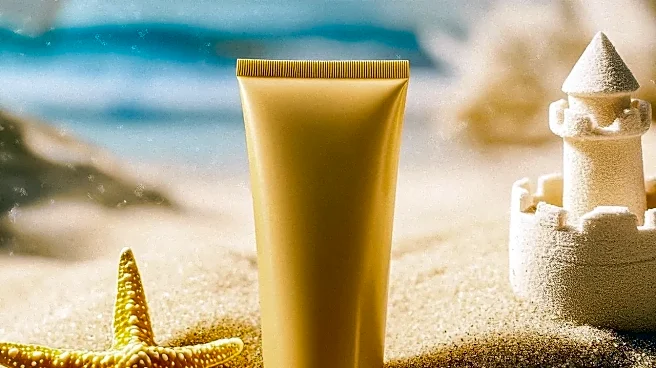
Sunscreen is your first line of defense, but not all bottles are created equal. The American Academy of Dermatology recommends a sunscreen that is broad-spectrum, water-resistant, and has an SPF of 30 or higher. "Broad-spectrum" is a critical term to look
for, as it means the product protects against both UVA rays (which cause aging) and UVB rays (which cause sunburn). While a higher SPF offers marginally more protection—SPF 30 blocks 97% of UVB rays, while SPF 50 blocks 98%—no sunscreen blocks 100%. The biggest mistake people make is not using enough or not reapplying. An average adult needs about one ounce, or a shot glass full, to cover their body. It should be applied 15 to 30 minutes before going outside and reapplied at least every two hours, and more frequently after swimming or sweating.
Upgrade Your Wardrobe: The Power of Protective Clothing
Clothing is one of the most effective forms of sun protection. While any long-sleeved shirt is better than none, specially designed sun-protective clothing offers superior defense. These garments are rated with an Ultraviolet Protection Factor (UPF). A fabric with a UPF of 50 allows only 1/50th (or 2%) of UV radiation to reach your skin. Look for items with a UPF rating of 30 or higher for good protection; UPF 50+ is considered excellent. Don't forget a hat and sunglasses. A wide-brimmed hat that shades your face, neck, and ears is ideal. For sunglasses, choose a pair that blocks 99% or more of UV rays to protect not just your eyes but also the delicate skin around them.
Think Like a Strategist: Seek Shade and Time Your Outings
A key part of staying safe is simply avoiding the sun when its rays are most intense. The sun is typically strongest between 10 a.m. and 4 p.m. If possible, schedule your outdoor activities for the early morning or late afternoon. If you are outside during peak hours, make shade your best friend. An umbrella, tree, or other shelter can significantly reduce your UV exposure. A simple rule of thumb from the American Academy of Dermatology is the shadow rule: if your shadow is shorter than you are, the sun's rays are at their strongest, and you should seek shade. Even in the shade, it's wise to use other forms of protection like sunscreen and clothing, as UV rays can reflect off surfaces like sand, water, and pavement.
Cover All Bases: Don't Neglect Easy-to-Miss Spots
It’s common to diligently apply sunscreen to your arms and face but forget other vulnerable areas. Some of the most frequently missed spots include the tops of your feet, the backs of your hands, your ears, and your neck. If you have thinning hair, your scalp is also highly exposed and needs protection, either from a hat or a sunscreen application. Lips are another sensitive area prone to sun damage. Be sure to use a lip balm that contains sunscreen with an SPF of 15 or higher to keep them protected. Consistency across all exposed skin is the key to preventing patchy, painful burns and long-term damage.
Bust Common Myths for a Truly Safe Summer
Misinformation about sun safety can be just as damaging as the sun itself. One of the most dangerous myths is that a "base tan" protects you from sunburn. The reality is that any tan is a sign of skin damage from UV radiation and does not provide meaningful protection against future burns. Another common mistake is believing you don't need sunscreen on cloudy days. Up to 80% of the sun's UV rays can penetrate clouds, meaning you can still get burned when it's overcast. Finally, no sunscreen is truly "waterproof" or "sweat-proof." Products labeled "water-resistant" are effective for either 40 or 80 minutes in the water, after which they must be reapplied.