


The Unforgiving Hard Courts
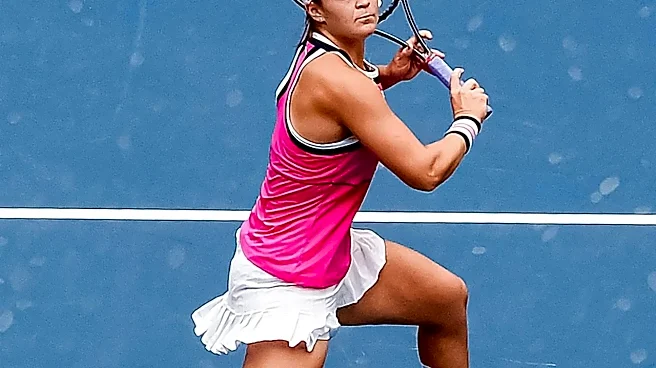
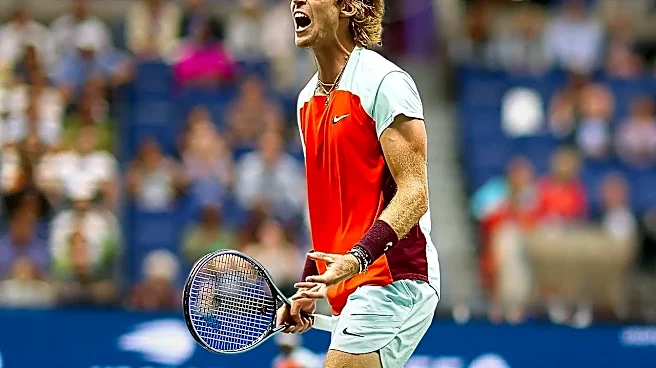
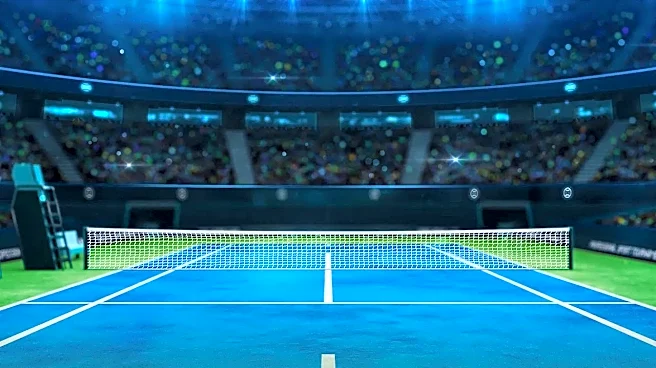
Unlike the soft clay of the French Open or the slick grass of Wimbledon, the U.S. Open is played on a hard court. This acrylic surface offers a true, high bounce, but it gives nothing back. For two weeks, players endure punishing, high-impact rallies
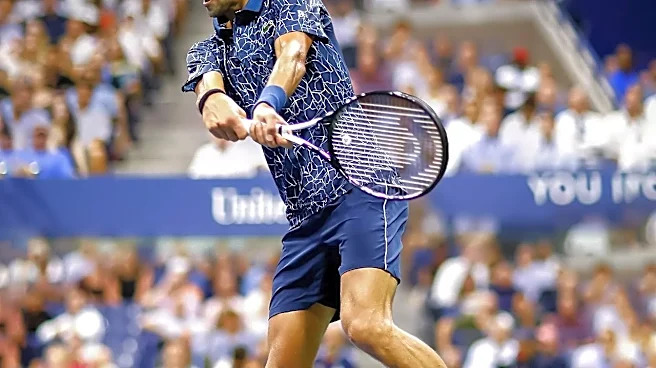
on what is essentially a thin layer of rubber and paint over concrete or asphalt. The faster court speed rewards aggressive, powerful shots, leaving less time to react and construct points. This unforgiving surface takes a cumulative toll, grinding down joints and muscles. Every sudden stop and explosive push-off sends shockwaves through the body, making late-round matches as much about pain management as they are about tennis.
New York’s Oppressive Climate
Held in late August and early September, the tournament is notorious for its oppressive heat and humidity. The stifling conditions can drain a player's energy, leading to cramps, exhaustion, and heat-related illness. Matches often become battles of attrition, testing endurance as much as skill. The tournament has an Extreme Heat Policy, allowing for 10-minute breaks in severe conditions, but that offers only a brief respite from the sweltering on-court temperatures that can feel significantly hotter than the air around them. Players have described being completely drenched in sweat, battling dizziness, and simply trying to survive from one point to the next.
The Roar of the Crowd
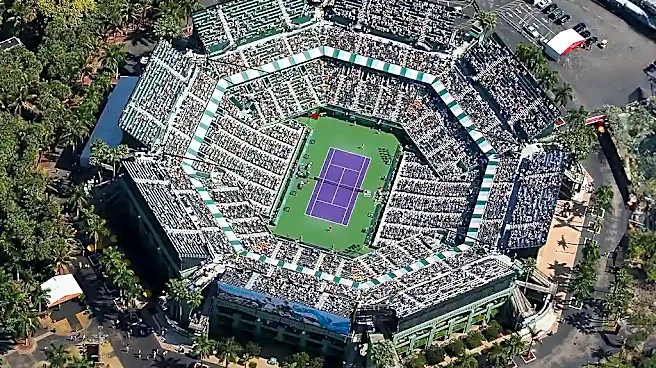
Tennis is a sport that traditionally values silence during play, but the U.S. Open operates on a different frequency. With Arthur Ashe Stadium holding nearly 24,000 people—the largest in tennis—the noise is a constant factor. Fans are boisterous, often cheering, shouting, and moving during points. This atmosphere, more akin to a basketball or football game, can be electric for some players who feed off the energy but deeply unsettling for others. The sound is amplified by the stadium's sheer size and its retractable roof, which traps the noise and creates an echo chamber. For many, conquering the U.S. Open means conquering the chaos first.
Drama Under the Lights
The night sessions at Arthur Ashe are a signature part of the U.S. Open's identity, but they present another layer of difficulty. Starting at 7 p.m., these primetime matches often run late into the night, disrupting players' sleep schedules and recovery routines. The atmosphere becomes even more concentrated and intense after dark, with an energized crowd ready for a show. While some players thrive in this gladiatorial arena, others find the combination of artificial lights, a raucous audience, and the pressure of a late finish to be a significant mental and physical drain. A long five-set men's match can start after 9 p.m. and end well after midnight, a brutal turnaround for the next round.
The New York City Gauntlet
The challenge of the U.S. Open extends beyond the gates of the Billie Jean King National Tennis Center. Unlike the quieter settings of Wimbledon or the contained environment of the Australian Open, this tournament happens in the heart of New York City. Players have to navigate the city's relentless energy, from traffic and long commutes to the constant distractions. Some players find the city's buzz energizing, while others find it draining. As Novak Djokovic once noted, New York gives you energy for a while, and then it takes it away. Managing that balance—finding peace amidst what some players call "chaos"—is a crucial off-court battle that can directly impact on-court performance.