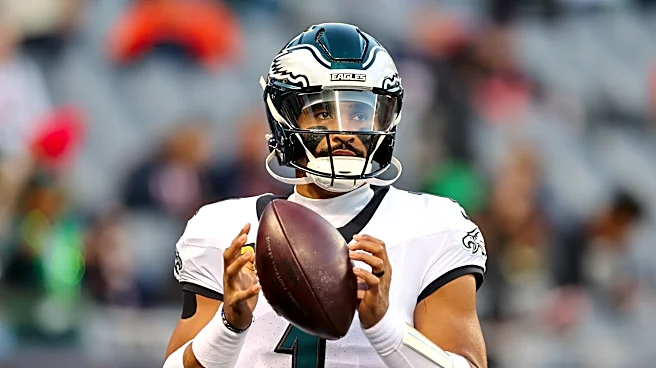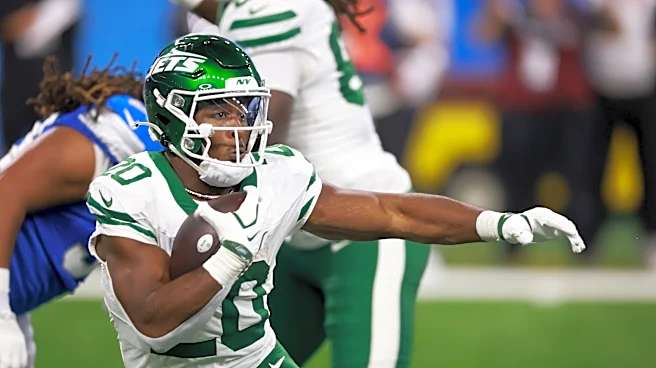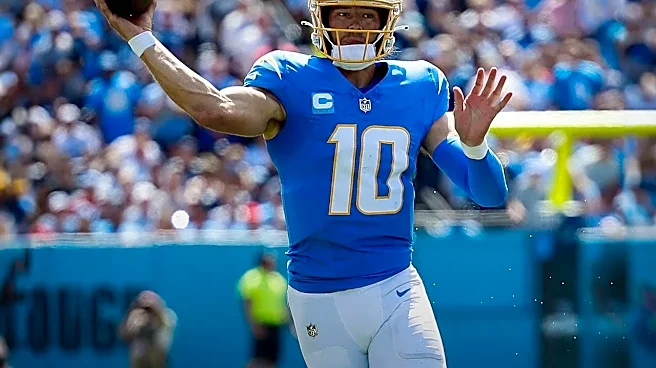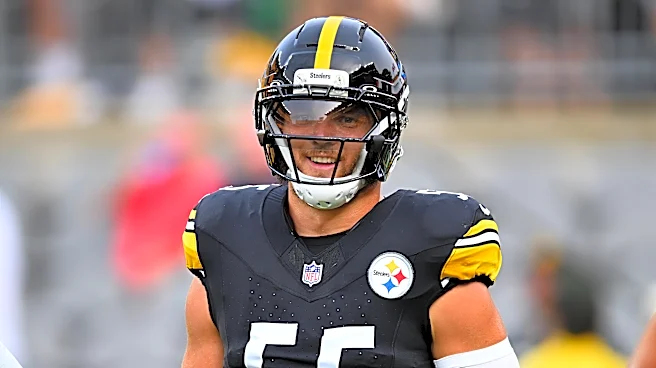



In the NFL, where physical prowess is pushed to its absolute limit, the new frontier for gaining an edge isn't in the gym—it's between the ears. Teams are now making major investments in a once-overlooked field: sports psychology.
The New High-Stakes Arms Race
For decades, the formula
for NFL success was straightforward: get bigger, faster, and stronger. Teams poured resources into optimizing nutrition, physical training, and recovery. But as those areas have become universally mastered, the search for a fresh competitive advantage has led front offices to the mind. The modern NFL is a pressure cooker of immense physical risk, public scrutiny, and job insecurity where the average career is brutally short. Recognizing that mental strain directly impacts on-field performance, teams are no longer leaving psychology to chance. Since 2019, a joint agreement between the NFL and the NFL Players Association (NFLPA) mandates that every team must have a licensed behavioral health clinician on staff. This shift from a crisis-management approach to one of prevention and optimization is now seen as essential. You can't achieve peak physical performance if mental performance isn't also optimized.
More Than Just 'Toughing It Out'
The old-school mentality of simply 'toughing it out' is fading fast. A younger generation of players has grown up in an era where discussing mental health is less stigmatized, and they are more open to seeking support. This cultural shift allows sports psychologists to be integrated directly into the team environment. They aren't just treating clinical issues like anxiety or depression; they are actively training players' minds for peak performance. This involves a range of tangible techniques, including visualization to mentally rehearse plays, arousal regulation to manage emotions during high-pressure moments like a two-minute drill, and attentional control to block out distractions from the crowd or a previous bad play. The goal is to build mental toughness and resilience, which many now consider the most significant mental factor in a player's ability to handle adversity.
What a Sports Psychologist Actually Does
Forget the cliché of a player lying on a couch. A team's clinician is an active part of the organization. They work with players on everything from building self-confidence after a bad game to managing the stress of injury rehabilitation. They help rookies acclimate to the pressures of the league and assist veterans in planning for life after football. Clinicians often hold sessions in offices away from the facility for privacy, but increasingly, players are comfortable seeking them out at work. Their role extends to the entire organization, with some checking in on coaches to ensure they're managing stress and getting enough rest. This holistic approach recognizes that a player's well-being off the field—dealing with family issues, public criticism, or career uncertainty—is inextricably linked to their performance on it.
The ROI on Mental Wellness
For NFL owners, investing in sports psychology is also a sound business decision. In a league with multi-billion-dollar revenues and massive player contracts, anything that extends a player's career or improves their consistency is a high-value investment. A player who can mentally recover from an error faster is less likely to make another one. An athlete who has the tools to manage performance anxiety is more likely to deliver in clutch moments. The NFL and NFLPA have continued to build on this, launching a Behavioral Health Network in 2026 to give current and former players and their families free, confidential, and unlimited access to outpatient mental health services. By removing barriers to care, the league is aiming for better wellness outcomes that translate into better on-field products and healthier, more resilient players long after their careers have ended.