



A Thirstier Atmosphere
The fundamental relationship between heat and drought begins with a simple physical principle: hot air can hold more moisture. When a heat wave settles over a region, the air's capacity to absorb water vapor increases dramatically. This creates a powerful
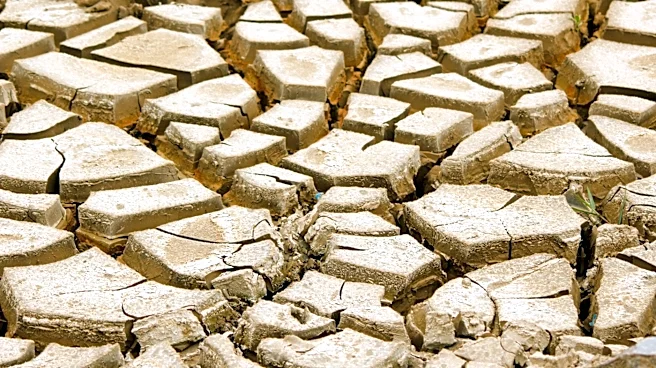
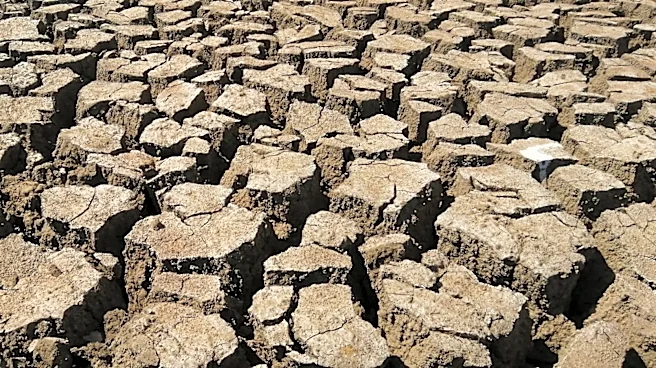
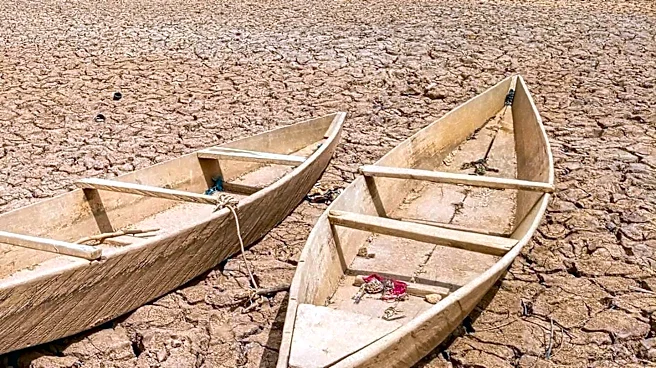
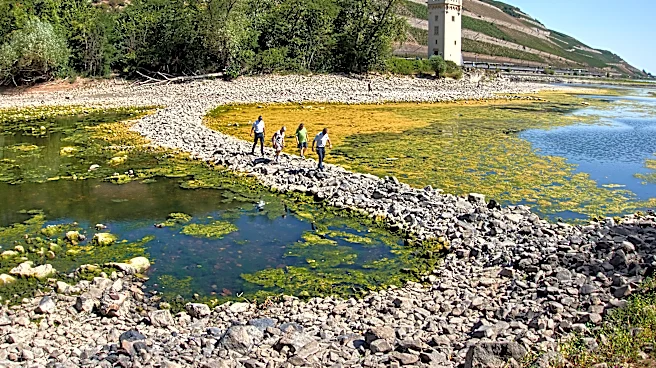
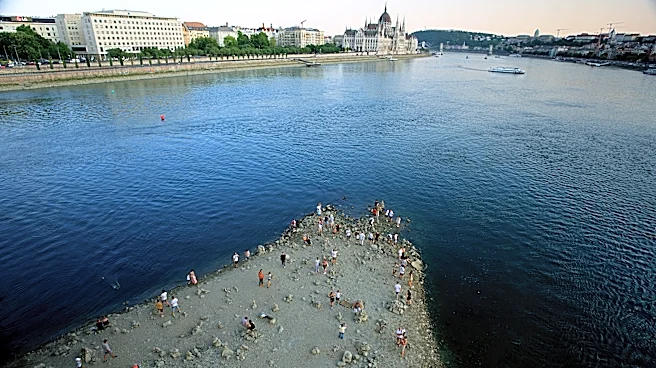
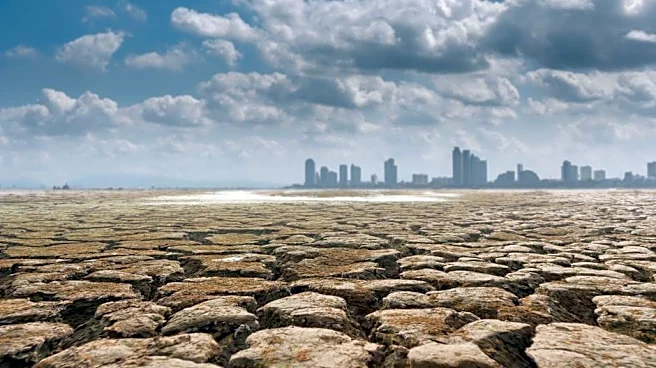
demand for moisture, effectively turning the atmosphere into a sponge. It pulls water from every available source—rivers, lakes, reservoirs, and most critically, the soil. This process, called evaporation, accelerates significantly during periods of extreme heat. Water that might otherwise remain in the ground or in bodies of water is drawn into the air, leading to a rapid depletion of surface water supplies. This is often the first and most direct way a heat wave begins to sow the seeds of a drought.
When Plants Sweat Themselves Dry
It’s not just open water that the hot air targets. Plants and vegetation play a crucial role in this cycle through a process called transpiration. Plants draw water up from the ground through their roots and release it as vapor through tiny pores in their leaves. Combined with evaporation, this process is known as evapotranspiration. During a heat wave, plants transpire at a much higher rate to cool themselves, much like humans sweat. This defensive mechanism, while necessary for the plant's short-term survival, pulls huge amounts of moisture from the soil. Unfortunately, this process can backfire. As the soil dries out, plants become stressed and less able to cool themselves, and the land itself loses a key source of moisture, paving the way for what is often termed an agricultural drought, where crops fail and ecosystems suffer.
The Vicious Feedback Loop
Perhaps the most dangerous aspect of the heat-drought relationship is the creation of a positive feedback loop. As heat drives evaporation and dries out the soil, a critical shift occurs. Wet soil and healthy vegetation use the sun's energy for evaporative cooling, a process that helps keep surface temperatures lower. But when the ground is dry, that solar energy has nowhere to go but into heating the air and the ground itself. This causes air temperatures to rise even further, intensifying the heat wave. In turn, the hotter, drier air places an even greater demand on any remaining moisture, reinforcing the drought. This self-perpetuating cycle is why droughts and heat waves often become locked together, each making the other more severe and longer-lasting.
Parking Lots in the Sky
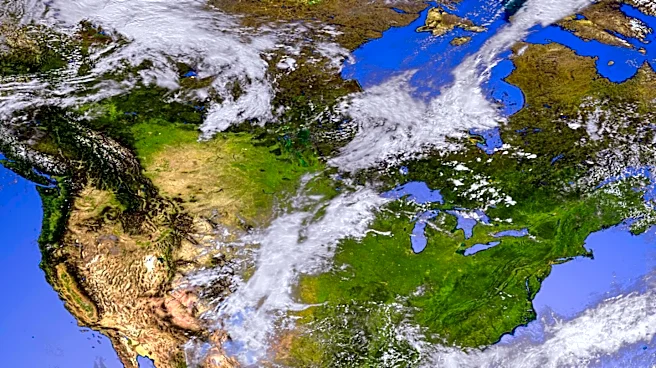
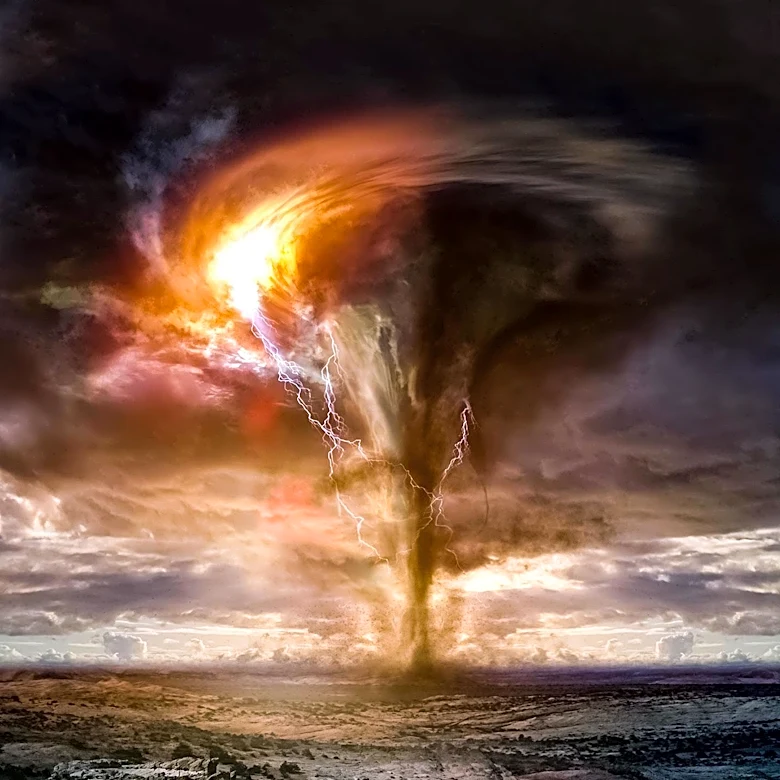
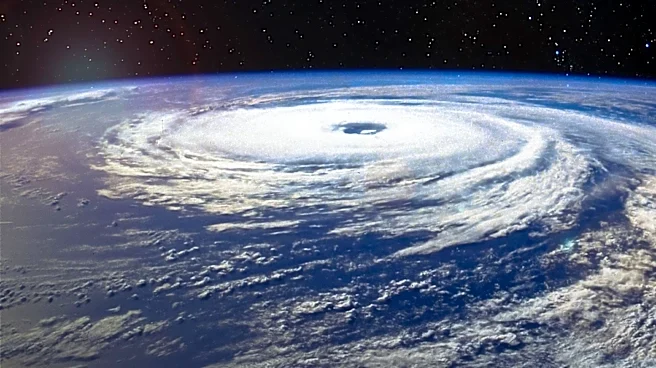
These local processes are often governed by large-scale weather patterns. Many of the most severe heat waves and subsequent droughts are associated with atmospheric “blocking” systems. These are massive, slow-moving high-pressure zones that can stall over a region for days or even weeks. A blocking high acts like a lid on the atmosphere, causing air to sink and warm, which suppresses cloud formation and prevents rain-bearing systems from moving through. This leads to long stretches of clear skies and intense sunlight, which further bake the ground and intensify the feedback loop between heat and dryness. These persistent high-pressure domes are responsible for some of the most stubborn and destructive heat and drought events.