





The World's Coral Reefs
Often called the rainforests of the sea, coral reefs support an astonishing 25% of all marine life despite covering less than 1% of the ocean floor. They are a critical source of food, coastal protection, and economic livelihood for hundreds of millions
of people. But these vibrant underwater cities are bleaching into ghost towns. The primary threat is rising ocean temperatures driven by climate change. A seemingly small temperature increase can cause corals to expel the vital algae living in their tissues, turning them stark white. If the heat stress continues, they starve and die. Ocean acidification, a direct result of the sea absorbing excess carbon dioxide, further hinders their ability to build their skeletons. Pollution from agricultural runoff and plastic waste adds another layer of stress, making it harder for these fragile systems to recover.
The Amazon Rainforest
The Amazon is the world's largest rainforest, a sprawling wilderness that generates its own weather, stores immense amounts of carbon, and is home to one in ten known species on Earth. For decades, its greatest threat has been deforestation for cattle ranching, soy farming, and logging. While recent efforts have led to a significant drop in deforestation alerts in 2026, the forest remains perilously close to a tipping point. Scientists warn that continued forest loss, combined with the effects of climate change, could trigger a dieback, where large parts of the lush rainforest transform into a drier, savanna-like landscape. This would not only release massive amounts of carbon into the atmosphere but also disrupt weather patterns across the Americas and extinguish countless unique species.
The Aral Sea
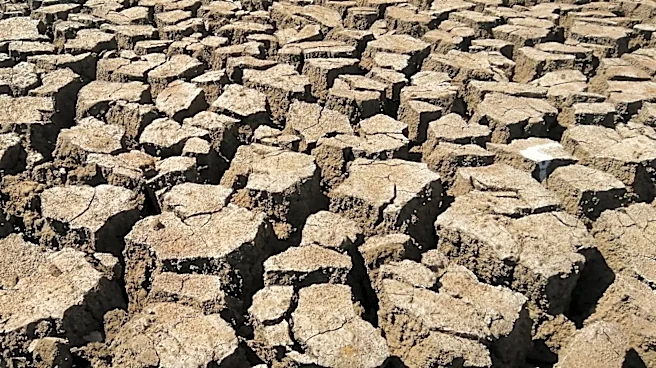
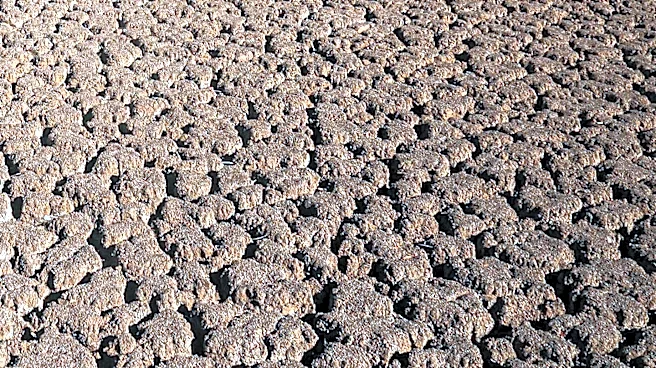
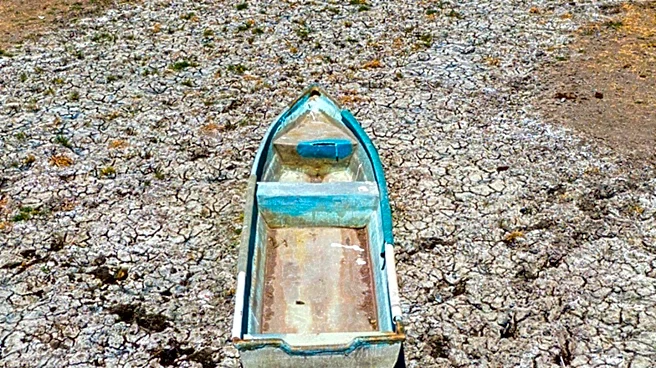
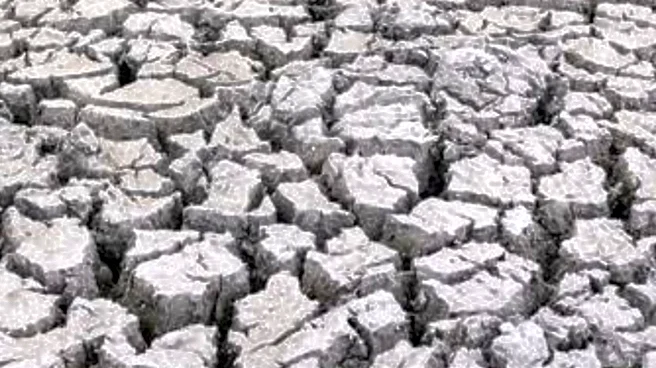
Once the fourth-largest lake in the world, the Aral Sea is now a symbol of catastrophic, human-caused ecological disaster. In the 1960s, Soviet-era irrigation projects diverted the two main rivers that fed the sea to grow cotton and other crops in the arid desert. Starved of its water source, the sea began to shrink. By the 2000s, it had lost over 90% of its area, splitting into separate, hyper-saline lakes where fish could no longer survive. The once-thriving fishing industry collapsed, devastating the regional economy. The exposed seabed, now called the Aralkum Desert, is laced with salt and toxic chemicals, which are whipped up by dust storms, causing severe public health crises for the remaining population. While a dam project has brought some life back to the smaller North Aral Sea, the vast majority of this once-great water body remains a testament to unsustainable water management.
Madagascar's Spiny Forest
On the southern coast of Madagascar lies a truly unique habitat found nowhere else: the spiny forest. Dominated by bizarre, thorny plants from the endemic Didiereaceae family, this otherworldly landscape is adapted to survive in arid conditions. It is a crucial refuge for an array of specialized wildlife, including several species of lemur. But this slow-growing ecosystem is under intense pressure. The primary threats are clearing for agriculture and the production of firewood and charcoal to support a growing population. Because the plants in the spiny forest grow so slowly, the ecosystem has very little capacity to regenerate once it is cleared. As a result, this unique and irreplaceable piece of Earth’s biodiversity is being rapidly lost.