







The Hidden Culprit: More Than Just Being Alone
The habit in question isn't about what you eat or how much you move—it’s about how you feel. A growing body of research points to loneliness as a significant, independent risk factor for high blood pressure. This isn't the same as social isolation, which
is the objective state of having few social contacts. Loneliness is the subjective, distressing feeling that your social connections are not as meaningful or fulfilling as you would like them to be. You can be surrounded by people at work or at home and still feel deeply lonely, making it a particularly quiet and often invisible struggle for millions. Studies have found that this feeling, when chronic, can have a direct and measurable impact on your cardiovascular system over time.
How Loneliness Physically Affects Your Body
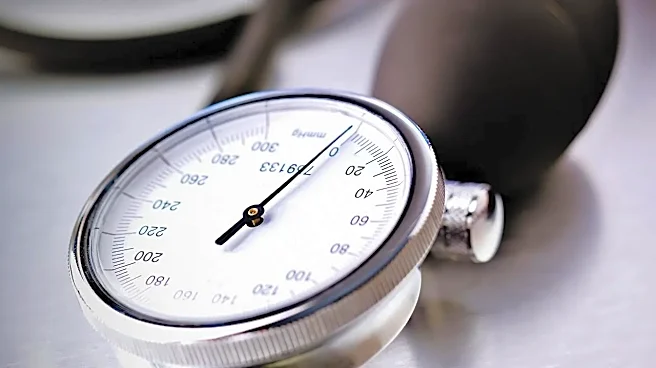
So how can a feeling translate into a physical health problem? The link between loneliness and hypertension appears to be rooted in the body's stress response. Persistent loneliness can be perceived by the brain as a constant, low-grade threat, keeping your body in a state of hypervigilance. This triggers an increase in stress hormones like cortisol, which can constrict blood vessels and make your heart work harder. Over time, this sustained state of alert can lead to chronically elevated blood pressure. Research has shown that the impact is not small; one multi-year study found that the loneliest individuals saw their systolic blood pressure rise by over 14 points more than their socially connected peers. This effect was independent of other risk factors like age, diet, and even levels of depression, suggesting loneliness is a unique health risk in its own right.
A Widespread and Serious Health Concern
High blood pressure, often called the "silent killer" because it typically has no symptoms, affects a massive portion of the U.S. population. It is a primary or contributing cause of hundreds of thousands of deaths each year and a major risk factor for heart attack and stroke. The American Heart Association has identified social isolation and loneliness as serious threats to cardiovascular and brain health. This is especially concerning given that more than one-third of U.S. adults over 45 report feeling lonely. People experiencing loneliness may also be less likely to engage in healthy behaviors, such as exercising or eating well, and more prone to habits like smoking, which further compound the risk.
Breaking the Cycle: Small Steps to Reconnect
Addressing loneliness to protect your heart health doesn't necessarily mean you need to fill your social calendar. The key is improving the quality of your connections, not just the quantity. Start by identifying small, manageable ways to foster a sense of belonging. This could mean scheduling a weekly call with a friend or family member, or finding a group activity centered on a hobby you enjoy, like a book club, walking group, or volunteer opportunity. Volunteering, in particular, has been linked to better overall health and a lower risk of hypertension. Even taking care of a pet can provide psychological benefits and reduce feelings of isolation. The goal is to move toward authentic interactions that counter the distressing feelings of disconnection, allowing your body’s stress-response system to stand down.