





The Hero Who Has to Pay Rent
Before he’s a superhero, he’s Peter Parker, a teenager from Queens. Unlike billionaires in high-tech suits or literal gods from other realms, Peter is defined by his everyday problems. He juggles school, a job, and fighting crime, all while worrying about
making rent and the health of his Aunt May. This portrayal of an “everyman” hero is his foundational appeal. He’s not an untouchable ideal; he’s a person grappling with grounded, real-world issues like financial strain, social awkwardness, and romantic troubles, making him profoundly relatable to generations of fans. We see our own struggles mirrored in his, which makes his heroism feel more accessible and earned.
The Weight of Great Power
“With great power comes great responsibility” is more than a catchphrase; it’s the character’s unwavering moral core. This principle, born from the tragic loss of his Uncle Ben, fuels his entire mission. It transforms his powers from a lucky accident into a heavy burden. Every decision he makes is weighed against this personal code. This creates constant internal conflict and sacrifice, adding a layer of psychological depth that many other heroes lack. He doesn’t always win, he makes mistakes, and his personal life often suffers because of his commitment to doing the right thing, which makes his triumphs feel all the more significant.
Anyone Can Be Under the Mask
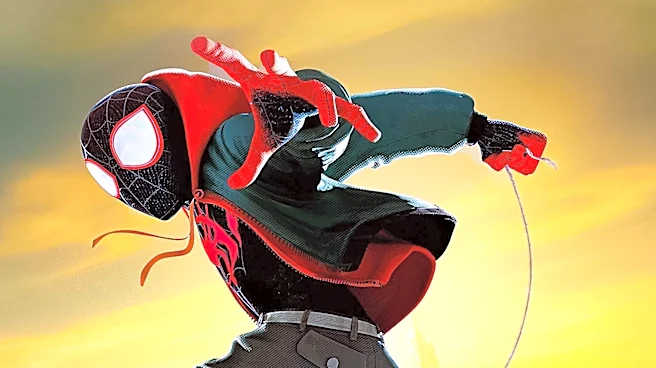
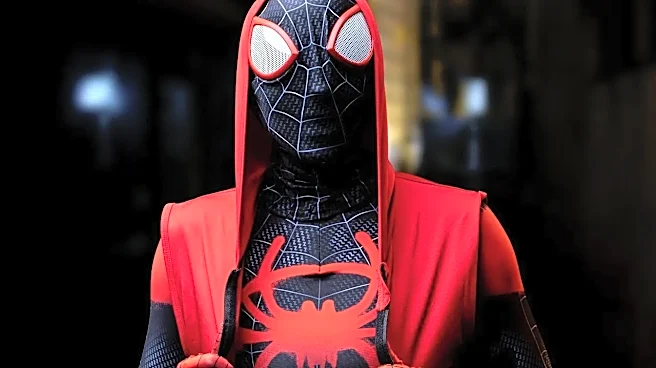
The design of Spider-Man's suit is a stroke of genius. By covering him from head to toe, it conceals his identity completely. This has a powerful effect: anyone, regardless of race or gender, can imagine themselves as Spider-Man. This idea has become a central theme, especially with the introduction of characters like Miles Morales, an Afro-Latino teenager who takes up the mantle. The mask symbolizes that the power of Spider-Man isn’t tied to one person but to an ideal. It’s a powerful invitation to fans, making the character universally adaptable and personally resonant in a way that few others can match.
The Perfect Blueprint for Business
These very traits make Spider-Man incredibly bankable. His relatability gives him a massive, multi-generational audience. His timeless coming-of-age story can be endlessly rebooted for new eras without losing its essence. This adaptability extends to all forms of media, from blockbuster films that gross billions to best-selling video games and a mountain of merchandise. In fact, Spider-Man merchandise has been known to outsell that of Batman, Superman, and the Avengers combined. The character is a perfect storm of narrative potential and commercial appeal, making him not just a beloved hero but also one of the most valuable properties in entertainment history.