






The New Productivity Baseline
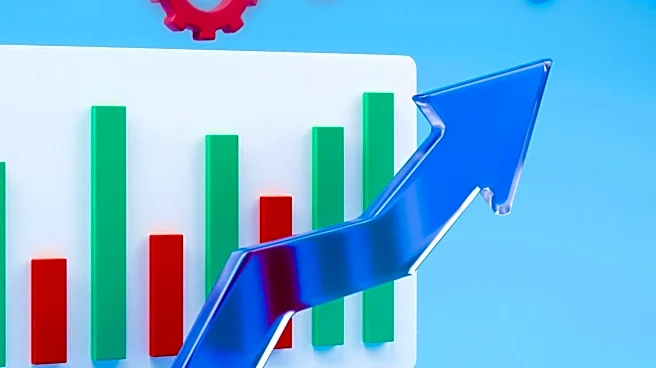
The most immediate change AI brings to the workplace is a recalibration of productivity. With generative AI tools capable of drafting emails, summarizing reports, and writing code, tasks that once took hours can now be completed in minutes. This creates
a new, higher baseline for output. While research shows AI adoption is still uneven, the expectation for speed and efficiency is growing, especially among companies that have heavily invested in the technology. What used to be considered a productive day's work is being redefined. The pressure isn't just to do your job, but to do it at the pace of an AI-assisted workflow, where the time saved on routine tasks is expected to be redirected toward higher-value activities.
From 'Doing' to 'Directing'
For many roles, especially in fields like marketing, software development, and analysis, the core function is shifting from manually executing tasks to directing and refining AI-generated output. Instead of writing a first draft of a report, your value now lies in crafting the perfect prompt, critically evaluating the AI's output, and adding the strategic insight the machine can't. This transition demands a new skill set centered on systems thinking and human-AI collaboration. Managers no longer just want someone who can complete a task; they want someone who can effectively leverage AI to produce a better, more insightful result. This means that proficiency with AI tools is rapidly becoming a non-negotiable skill, much like knowing how to use a web browser or word processor.
Human Skills Are Now a Premium
Paradoxically, as technology handles more routine and technical work, uniquely human skills have become more valuable than ever. Employers are increasingly seeking candidates who demonstrate strong critical thinking, creativity, ethical judgment, and emotional intelligence. When AI can generate endless content or data analysis, the ability to ask the right questions, connect disparate ideas, and communicate with empathy becomes a key differentiator. These 'durable skills' are resistant to automation and are what allow employees to guide AI strategy rather than just execute AI-driven tasks. Your boss may not explicitly ask for 'empathy,' but they expect the conflict resolution, team collaboration, and client relationship-building that depend on it.
Your Data Is Your New Performance Review
The integration of AI extends to how your performance is measured. A growing number of companies are using AI-powered employee monitoring and workforce analytics platforms to gain deeper insights into productivity. These tools don't just track hours logged; they analyze application usage, workflow patterns, and task completion rates to create a data-driven picture of performance. Instead of relying solely on a manager's subjective feedback, your performance might be scored based on AI-categorized activities deemed 'productive' or 'unproductive'. This shift means that the way you work—the tools you use and the efficiency you demonstrate—is becoming a measurable and crucial part of how your contribution is valued, moving performance reviews from an annual conversation to a continuous, data-informed assessment.