



The Colors Were Always There
Throughout spring and summer, tree leaves are tiny food factories, powered by a green pigment called chlorophyll. This dominant pigment is essential for photosynthesis, the process of converting sunlight into energy. But hiding in plain sight behind that
wall of green are other pigments, primarily carotenoids. These are the same compounds that give carrots their orange hue and corn its yellow shade. They are present in the leaves all season long, but their vibrant yellows and oranges are completely masked by the abundance of green chlorophyll.
Letting Go of Green
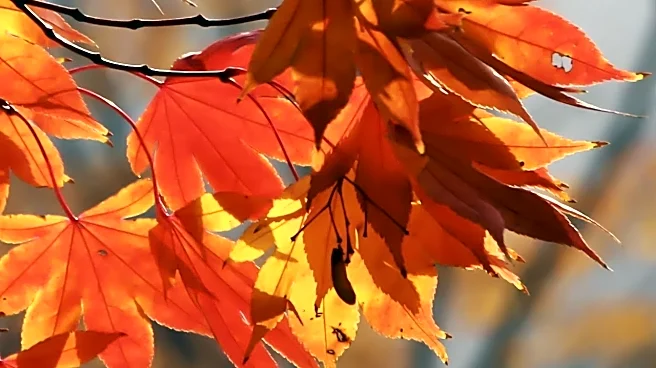
The main trigger for autumn's transformation isn't the first frost, but rather the shortening of our days. As the nights grow longer and daylight wanes, trees get the signal to begin shutting down food production for the winter. The energy-intensive process of making chlorophyll slows to a halt, and the existing chlorophyll begins to break down. As the green fades, the yellow and orange carotenoids that were there all along are finally revealed. This is why many trees, like aspens and hickories, reliably turn shades of yellow and gold each year—it's less a creation of new color and more of an unmasking.
The Recipe for Brilliant Reds
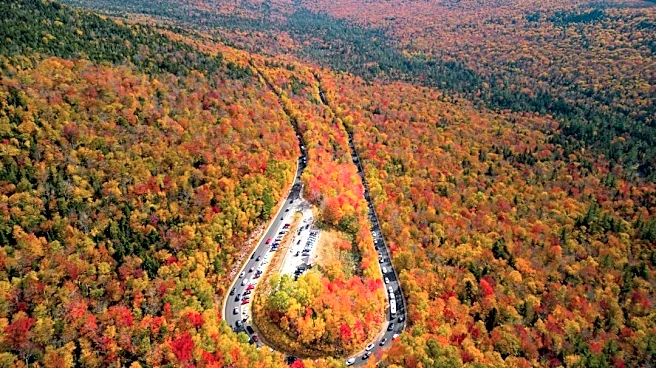
While yellows are a given, the spectacular reds, purples, and crimsons are the truly variable part of the show. These colors come from pigments called anthocyanins, which, unlike carotenoids, are newly created in the fall. Their production depends on a very specific set of weather conditions, which is why red colors are so inconsistent from year to year. The perfect recipe is a series of warm, sunny days followed by cool, crisp nights with temperatures above freezing. The sunny days allow the leaves to produce lots of sugar. The cool nights then cause the veins in the leaves to constrict, trapping those sugars inside. This combination of trapped sugar and bright light fuels the production of brilliant red anthocyanin pigments.
How Weather Makes or Breaks a Season
So, what makes for a "dud" year? It's all in the weather. A fall dominated by warm, cloudy, and rainy weather means less sunlight, which leads to less sugar production and, consequently, less vibrant reds. A summer plagued by severe drought can stress trees, causing them to drop their leaves early before they even have a chance to turn. Conversely, an overly warm autumn can also diminish the intensity of the colors or delay the show. The worst-case scenario for fall foliage is an early, hard frost. A sudden deep freeze can kill the leaves outright, causing them to wither and turn brown on the branches, skipping the colorful display entirely. Strong winds and heavy rains can also bring a premature end to the season by simply knocking the leaves off the trees.