




1. Texas A&M's 12th Man
The entire student body at Texas A&M stands for the whole game, ready to be called upon. This isn't just for a better view; it's a commitment. The tradition dates back to the Dixie Classic on January 2, 1922. The underdog Aggies were suffering so many
injuries against top-ranked Centre College that Coach Dana X. Bible feared he'd run out of players. He called a student, E. King Gill, down from the press box. Gill, a former player, suited up and stood on the sidelines for the rest of the game, ready to serve. He never played a down, but his readiness to answer the call inspired a legacy. To this day, the student body is the symbolic 12th Man, always standing by.
2. Florida State's Sod Cemetery
Victorious Florida State teams don't just bring home a trophy; they bring home a piece of the field. Outside their stadium lies the Sod Cemetery, with over 100 small plots of grass, each with a tombstone. It all started in 1962 when FSU, a heavy underdog, traveled to face the Georgia Bulldogs. An athletic board member, Dean Coyle Moore, gave the team a fiery speech, ending with the challenge, “Bring back some sod from between the hedges.” After an 18-0 upset victory, team captain Gene McDowell did just that, ripping a piece of turf from the field. They buried it on the practice field, and a legendary, if slightly morbid, tradition was born.
3. Wisconsin's 'Jump Around'
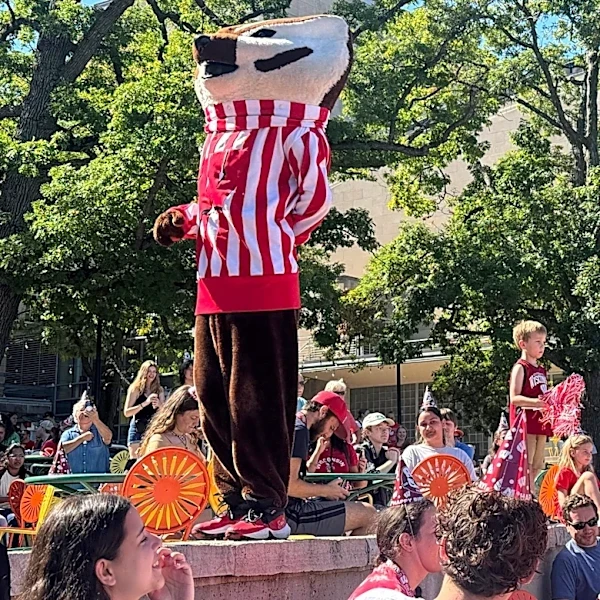
If you're at Camp Randall Stadium between the third and fourth quarters, you’d better be ready to bounce. The entire stadium erupts into a pogoing frenzy to House of Pain's 1992 hit, “Jump Around.” This now-iconic moment began on October 10, 1998. An injured tight end and athletics marketing intern named Ryan Sondrup was tasked with finding new ways to hype the crowd. He and a teammate tested songs on a local bar’s jukebox and noticed the energy shift when “Jump Around” played. He suggested it, and it was played during the Homecoming game against Purdue. The crowd went wild, the stadium literally shook, and a tradition so beloved was born that when officials tried to stop it once in 2003 due to construction concerns, the fan outrage forced its immediate return.
4. The Stanford Tree
Stanford's mascot isn't a fierce animal or a noble warrior. It’s... a tree. And it’s not even official. After the university dropped its controversial “Indian” mascot in 1972, it left a void. In 1975, the famously irreverent Stanford Marching Band proposed several absurd replacements during halftime shows, including a “Steaming Manhole” and a “French Fry.” But it was the goofy, googly-eyed Tree that fans loved. The costume, originally a student's DIY project, was intentionally ridiculous. It was an act of satirical rebellion that perfectly captured the school's quirky spirit and stuck, becoming one of the most recognizable and bizarre symbols in all of sports.
5. LSU's Live Tiger, Mike
Many schools have a tiger mascot, but LSU has a real one living in a multimillion-dollar habitat on campus. The tradition began in 1936 after a student-led fundraising campaign collected money to purchase a live tiger. The first, Mike I, was named after athletic trainer Mike Chambers, who was instrumental in the effort. The arrival of Mike I cemented the tiger as the living embodiment of LSU's fighting spirit. Over the decades, there have been seven Mikes, each reigning over different eras of LSU football and becoming beloved campus figures. One was even briefly kidnapped by rival Tulane students in the 1950s.
6. USC's Horse, Traveler
When USC scores a touchdown at home, a majestic white horse named Traveler gallops around the field with a Trojan warrior aboard. Before 1961, the university had a string of canine mascots. That changed when USC's special events director saw a man named Richard Saukko riding a stunning white horse in the Rose Parade. They convinced him to become the university's new mascot, and Traveler made his official debut at the 1961 home opener. The first rider even wore a costume from the film Ben Hur before crafting the iconic leather Trojan armor used today.
7. Oklahoma State's Paddle People
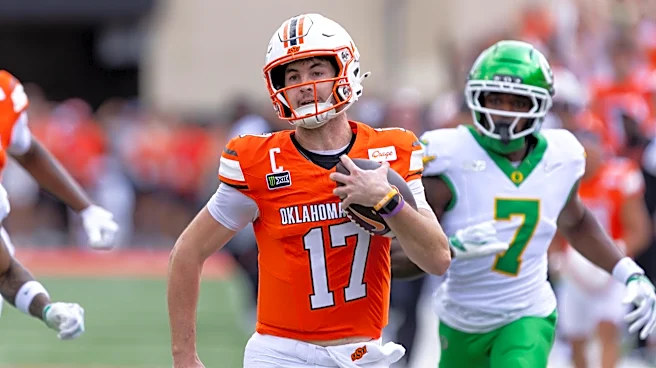
In the front row of Boone Pickens Stadium's student section, you'll find the Paddle People. This intimidating group of students rhythmically slams large, custom-decorated wooden paddles against the wall padding throughout the game, creating a thunderous noise meant to rattle opponents. Though the exact origin is the stuff of legend, most accounts trace it to the early 2000s, when a small group of dedicated fans showed up with what looked like cricket bats and started hitting the walls. The idea caught on, evolving from a spontaneous act of fandom into a highly organized and iconic student group known for its loud and relentless energy.
8. Clemson's $2 Bills
When Clemson fans travel for away games, some make a point of spending specially marked currency: $2 bills stamped with the school's orange tiger paw logo. This tradition of economic flexing started in the 1970s after their rival, Georgia Tech, decided to discontinue the annual football series. Upset by the decision and wanting to demonstrate the economic impact Clemson fans had on the city of Atlanta, they coordinated a “protest.” They flooded the city with the stamped bills to make their financial presence impossible to ignore. To this day, the paw-printed $2 bill serves as a calling card for the Clemson faithful on the road.