





In a political landscape defined by rigid demographic lines, the 2026 midterms delivered a genuine surprise. Democrats made significant gains with voters 65 and older, a group that has long been a reliable pillar of the Republican base.
Pocketbook Issues Took Center Stage
For years, the
conventional wisdom was that seniors vote on Social Security and Medicare. While those issues remained critical, the 2026 election broadened the definition of economic security. Exit polls indicate that persistent inflation and the rising cost of living were decisive factors for many older Americans. Democrats appear to have successfully framed these concerns as a direct consequence of Republican policies, particularly pointing to tariffs and their impact on the prices of everyday goods. AARP polling ahead of the election consistently showed older voters were deeply worried about the cost of groceries, gas, and healthcare. This focus on immediate, tangible kitchen-table issues allowed Democrats to flip the traditional script, connecting with seniors on the anxieties affecting their daily lives and fixed incomes.
A Referendum on Temperament and Stability
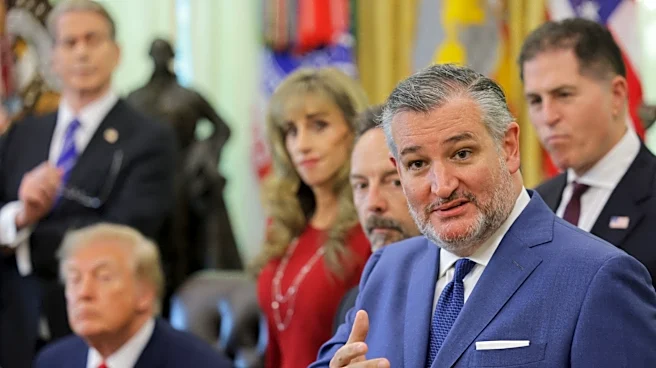
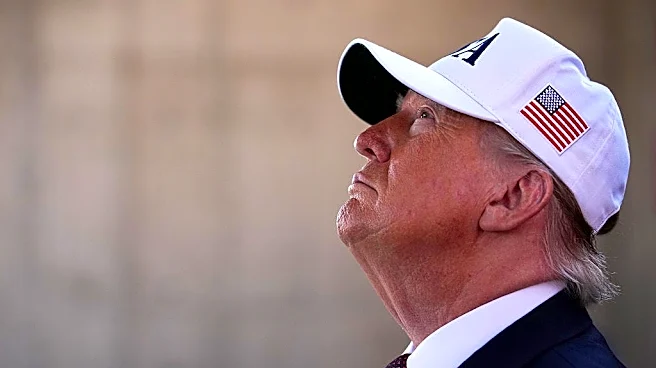
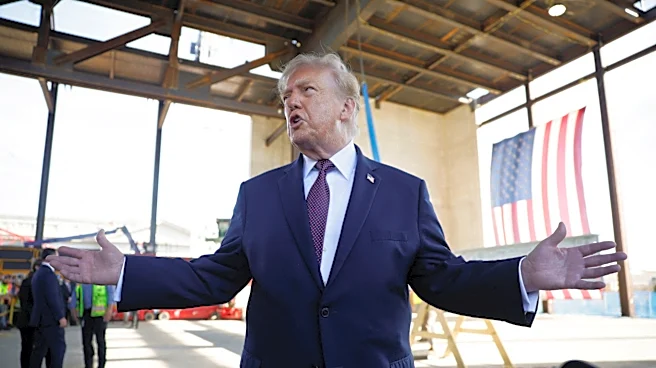
Beyond policy, the 2026 midterms functioned as a referendum on former President Donald Trump. While not on the ballot, his influence loomed large, and a majority of voters expressed disapproval of his performance. For many older voters, who tend to prioritize stability, the political climate of the last few years may have become a source of exhaustion. Democratic campaigns capitalized on this by presenting their candidates as steady, experienced leaders. In several key Senate races, candidates viewed as more extreme struggled, while their Democratic opponents successfully courted moderate and independent voters, including a significant number of seniors. The message was less about radical change and more about a return to a less chaotic, more predictable form of governance, an appealing prospect for a demographic often wary of disruption.
The Republican Overreach on Entitlements
While Democrats were talking about the cost of living, some Republican rhetoric created an opening. Discussions around the future solvency of Social Security and Medicare are perennial, but any perceived threat to these programs is politically perilous. Advocacy groups for seniors ran extensive campaigns highlighting the stakes of the election for entitlement programs. With projections showing a potential shortfall in Social Security funds in the coming decade, any suggestion of cuts or major structural changes was met with fierce resistance. Ninety percent of older voters said protecting Social Security from cuts was a top priority. This created a defensive posture for some Republican candidates and allowed Democrats to go on offense, positioning themselves as the sole defenders of benefits that millions of seniors have earned and rely on.
A Shift Among Older Women
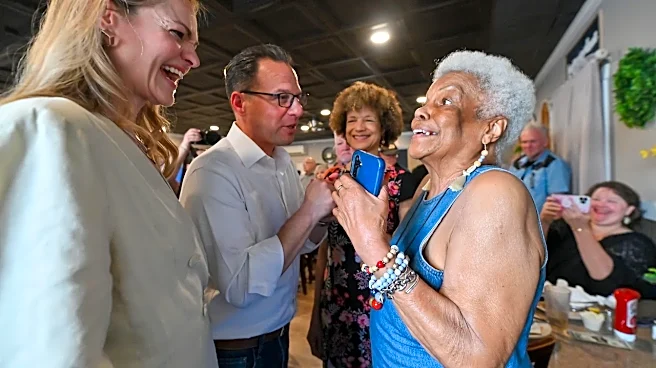
The gender gap among older voters was particularly telling in 2026. While older men still narrowly favored Republicans, older women broke for Democrats by a notable 9-point margin. This demographic was identified by pollsters as a key persuadable group. The reasons are likely multifaceted, blending economic concerns with broader dissatisfaction. Issues that resonate strongly with women of all ages, such as healthcare affordability and access, played a significant role. Furthermore, the swing among older independent voters was dramatic, with Democrats winning this cohort by over 20 points. This suggests that the party's message of economic relief and political stability resonated most strongly with the voters who were least tied to partisan identity and most concerned with practical outcomes.