






1. A Multi-Faceted, Shutdown Bullpen
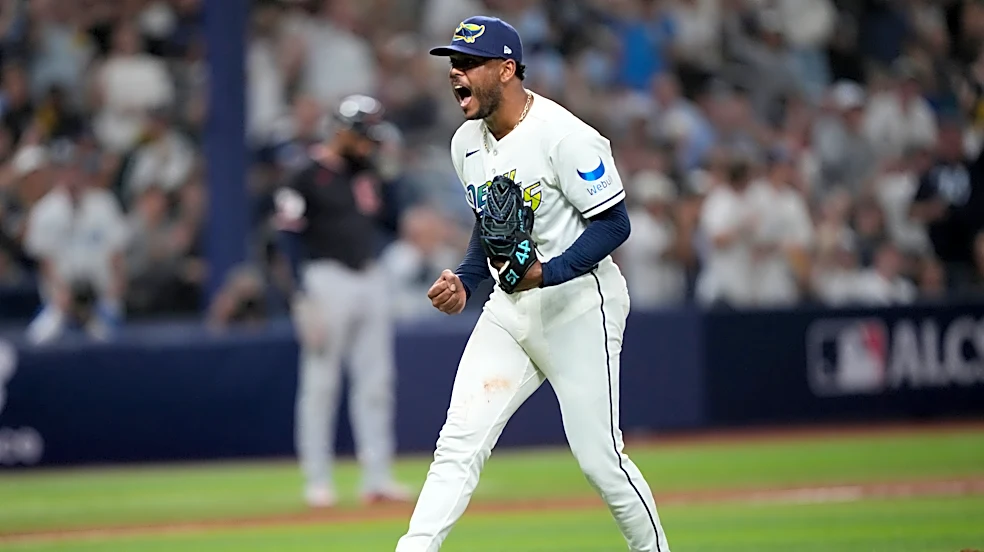
Gone are the days when a team could survive October with just one flamethrowing closer. Modern champions are defined by their bullpen depth. Postseason baseball is a game of high-leverage situations, and managers need a fleet of reliable arms to navigate
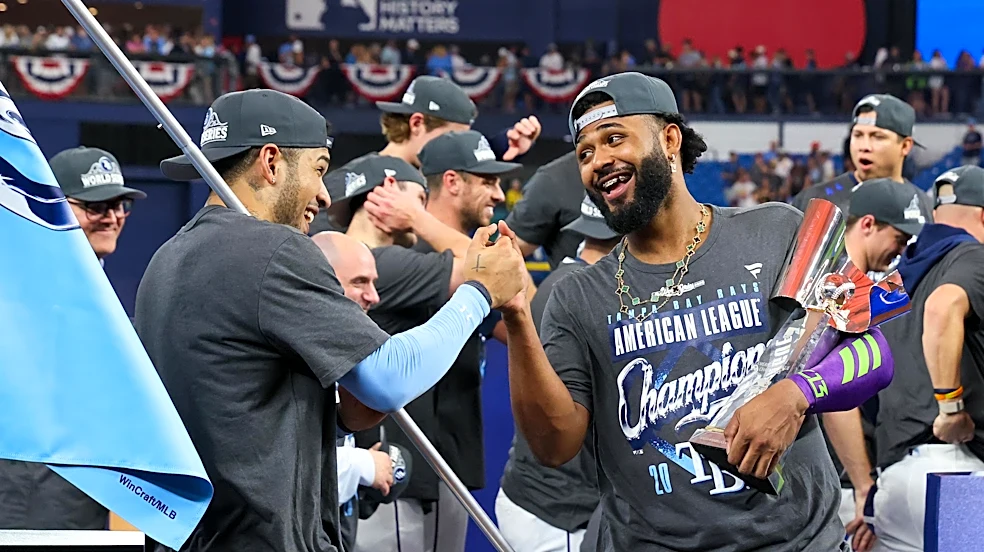
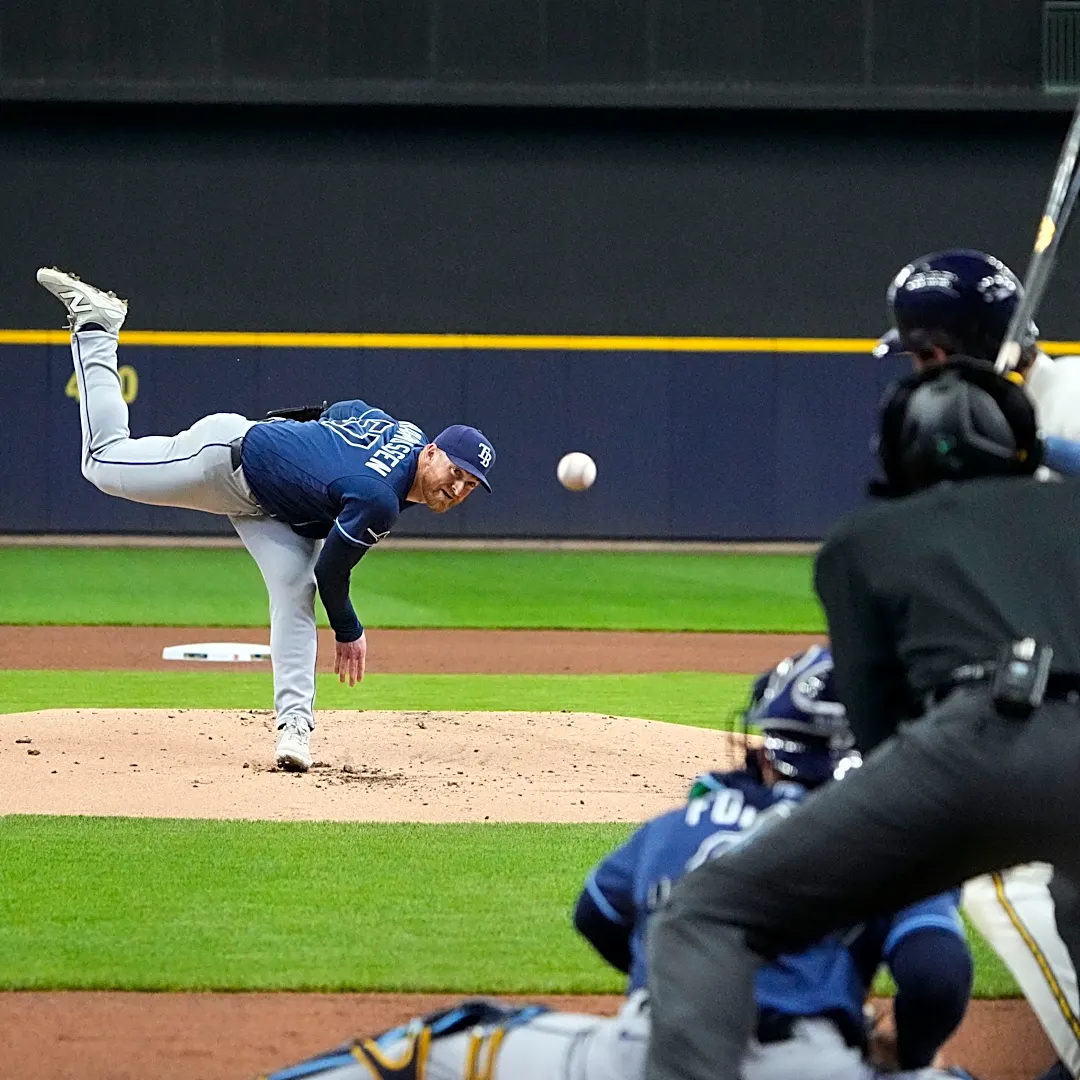
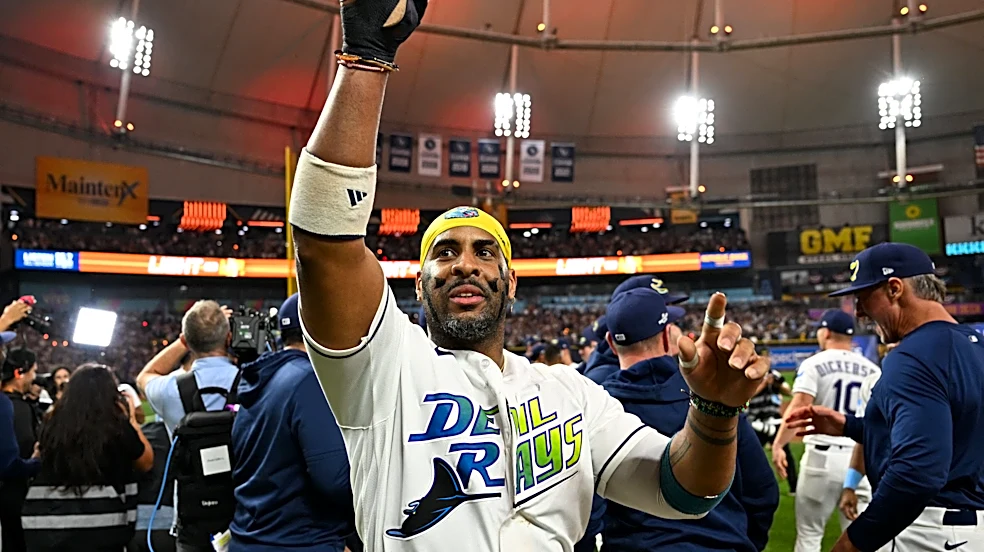
the treacherous middle and late innings. It's about having multiple 'closers' — guys who can enter in the sixth with the bases loaded and get a strikeout, or deliver two clean innings to bridge the gap to the ninth. Look at the 2026 World Series matchup between the Brewers and Rays; both teams have elite, albeit differently constructed, bullpens that were critical to their success. The Brewers lean on overpowering velocity, while the Rays use a variety of arm angles and speeds to keep hitters off balance. A deep bullpen shortens the game and allows a manager to play matchups aggressively, a non-negotiable asset for a deep playoff run.
2. A Deep Lineup Without Easy Outs
While superstar sluggers who put up MVP numbers are great, a championship lineup is often characterized by its relentless depth. The goal is to eliminate 'black holes' in the batting order, ensuring there are no easy innings for the opposing pitcher. When the bottom of the order can consistently work counts, draw walks, and threaten with extra-base hits, it creates a cascading effect. It turns the lineup over, forcing the other team’s ace to throw more pitches and face the top of the order more often. This approach wears down opposing starters and bullpens over the course of a seven-game series. A team that can score in multiple ways—with power, on the basepaths, and by manufacturing runs—is far more resilient and adaptable to the high-pressure situations that define playoff baseball.
3. A Bona Fide Ace to Anchor the Rotation
For all the talk about bullpens, you still need a true ace—a stopper who can take the ball in a must-win Game 1, 5, or 7 and deliver a dominant performance. This is the pitcher who calms the team's nerves and sets the tone for a series. They are the ultimate security blanket. Recent champions have almost always featured a top-tier starter who elevated their game in October. While a team might not have three or four of these arms, having that one undisputed leader of the rotation provides a massive strategic and psychological advantage. This pitcher is the firewall against a losing streak and the catalyst for building momentum, capable of single-handedly winning a pivotal game on the road and shifting the entire complexion of a series.
4. The Game-Changing Deadline Acquisition
A good team gets to the All-Star break. A great team makes a key move at the trade deadline. Nearly every recent World Series winner has benefited from a savvy mid-season acquisition that addressed a specific weakness or added a crucial skill set. This doesn't always have to be a blockbuster trade for a superstar, though it certainly can be. Sometimes, it’s a veteran reliever, a platoon bat with a history of clutch hitting, or a versatile defender. These additions provide more than just on-field production; they send a message to the clubhouse that the front office is all-in on winning now. That jolt of energy and reinforcement can re-energize a team for the final stretch and pay massive dividends in the postseason. The 2025 Blue Jays, for example, leaned on deadline pitching acquisitions to make their run to the Fall Classic.
5. Veteran Leadership and Team Chemistry
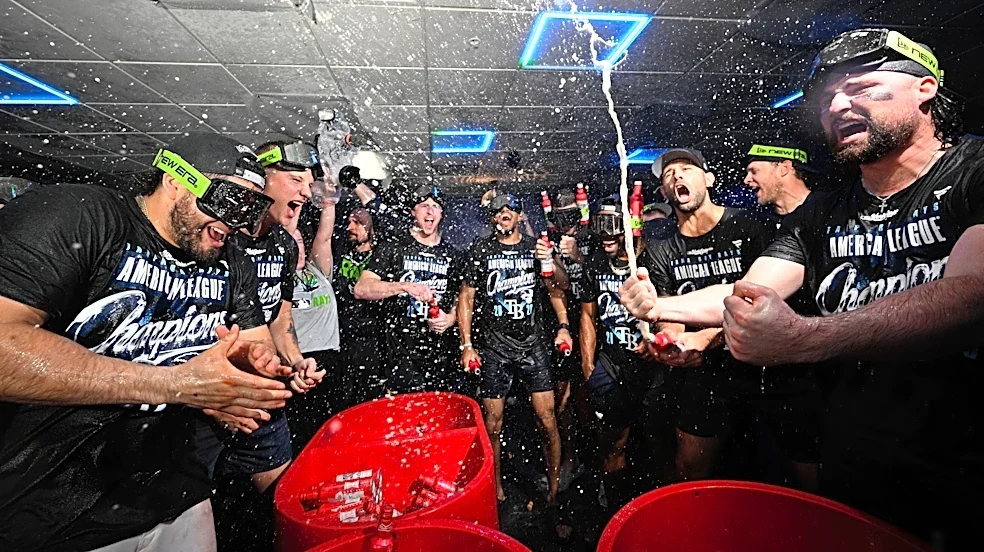
This is the intangible ingredient that can't be quantified by statistics but is felt in every dugout. The MLB postseason is an intense pressure cooker, and teams with strong veteran leadership are better equipped to handle the emotional highs and lows. These are the players who have been there before, who keep the clubhouse loose after a tough loss and focused after a big win. They mentor younger players and establish a culture of accountability and resilience. True team chemistry isn't about everyone being best friends; it's about a shared identity, clear communication, and a collective trust that each player is pulling in the same direction. When adversity inevitably strikes in October, it’s this internal fortitude that prevents a team from fracturing under the weight of expectation.