



The Myth: A Guaranteed Slump
Every season, fans and analysts circle games where a team is coming off its bye, often predicting a 'trap game' or a 'flat performance'. The common wisdom suggests a team on a roll will lose its rhythm, while a struggling team will just get a week older.
The logic feels sound: football is a sport of violent routine, and any disruption to that routine must be bad. Players get a few days off, coaches work on self-scouting, and the finely tuned machine of a 53-man roster gets thrown out of sync. But is a post-bye loss really the near-certainty it's made out to be?
The Reality: A Statistical Coin Flip
When you look at the numbers, the idea of a guaranteed post-bye slump falls apart. While there are fluctuations year to year, the overall record for teams coming off a bye week hovers surprisingly close to .500. For instance, data since 2019 shows a winning percentage of just .528 for post-bye teams, which is hardly a dominant advantage. In 2024, teams were actually under .500 at 15-17 after their bye. The data suggests the bye week doesn't create a massive, predictable edge or disadvantage league-wide. However, a significant change occurred after the 2011 Collective Bargaining Agreement, which limited practice during the bye. Before 2011, the advantage was significant; since then, it has largely disappeared, suggesting preparation time, not just rest, was the key driver.
The Rest vs. Rust Dilemma
So if it's not a statistical certainty, why does the struggle feel so real? A big part of it is the 'rest versus rust' debate. On one hand, the physical benefits of a week off are undeniable. In a brutal sport, the bye week provides an essential window for players to recover from nagging injuries that would otherwise worsen. However, that break from full-speed contact and game-day intensity can lead to rust. Timing, tackling angles, and the sheer speed of an NFL game are hard to replicate in practice. This often leads to sloppy first quarters, missed tackles, and offensive timing being just a little bit off as players get back up to game speed.
The Disruption of Routine
Professional football players are creatures of intense, repetitive habits. Their weeks are meticulously scheduled from meetings and film study to practice reps and physical therapy. The bye week shatters this routine. Players get several days off, often traveling to see family or just decompress. While mentally refreshing, this break can disrupt their biological and psychological rhythms. Returning to the facility means resetting that internal clock. For a team that was 'in the zone' and executing flawlessly, that disruption can be just enough to break the spell and interrupt the precious momentum they've built.
The Coaching Factor
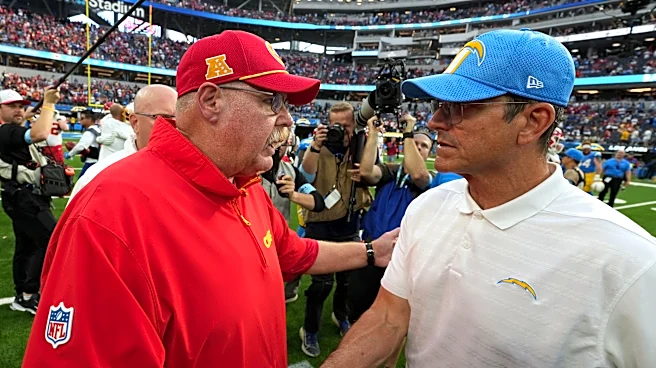
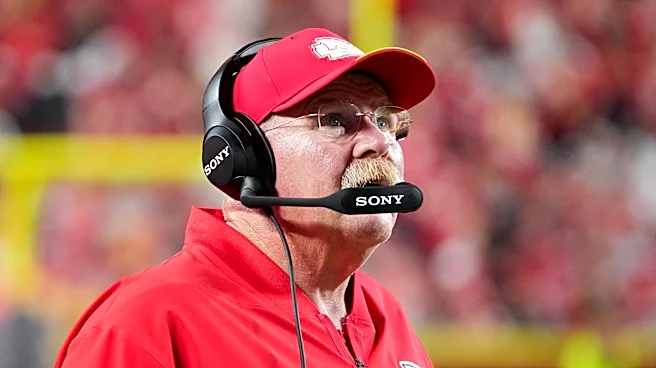
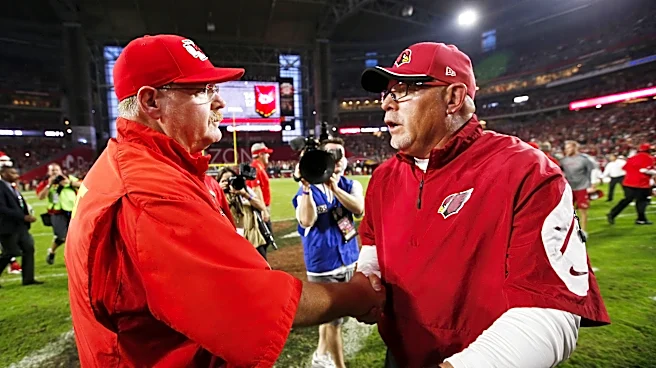
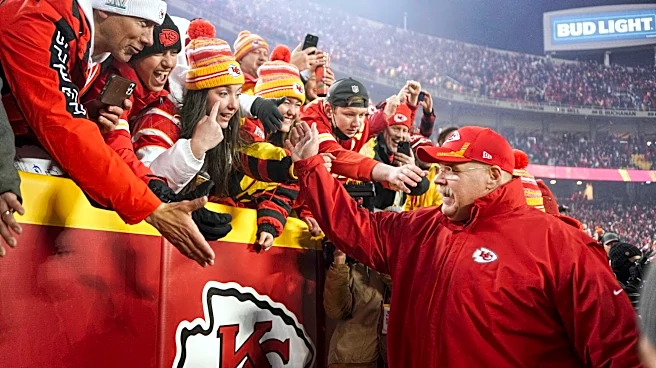
Perhaps the biggest variable is coaching. Some coaches have simply mastered the art of the bye week. They know exactly how to balance rest and preparation to get their team physically healthy and mentally sharp. No one exemplifies this more than Andy Reid, who has one of the best post-bye records in NFL history. A great coach uses the week to self-scout, diagnose schematic problems, and install new wrinkles for the upcoming opponent. In contrast, other staffs may struggle to find the right balance, either overworking players or giving them too much freedom, leading to a team that comes out looking unprepared or sluggish. The bye week amplifies a coaching staff's ability—or inability—to manage its roster's focus and energy.