









The Conductor in Your Brain
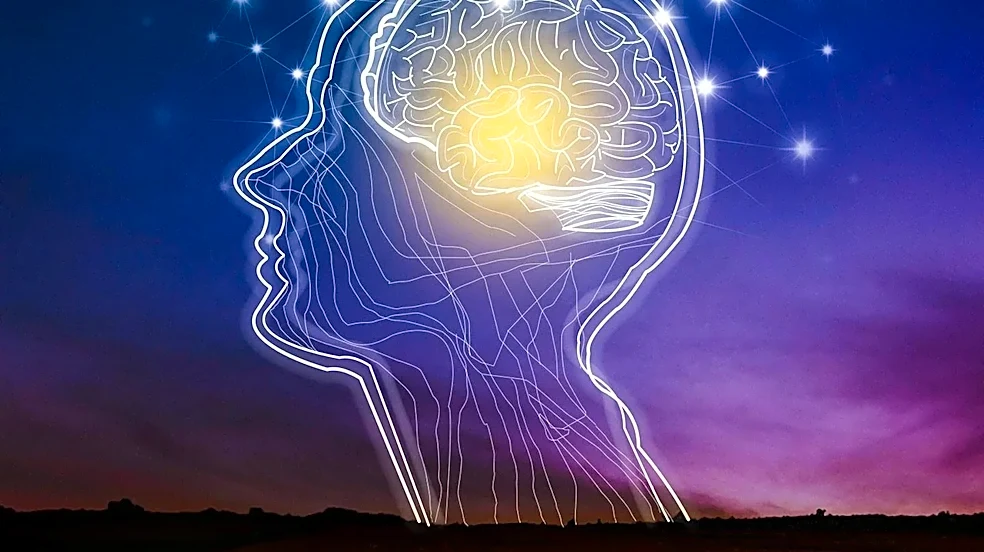
Your circadian rhythm is essentially a 24-hour internal clock running in the background of your body. The master controller is a tiny cluster of nerve cells in your brain's hypothalamus called the suprachiasmatic nucleus, or SCN. This 'master clock' responds
primarily to light, which is the most powerful signal for setting your daily schedule. When morning light hits your eyes, the SCN tells your body it's time to be alert and active. As darkness falls, it signals the release of melatonin, the hormone that makes you feel sleepy. This central clock synchronizes smaller clocks located in organs and cells throughout your body, ensuring everything from your heart to your liver operates on a coordinated schedule.
It's Not Just Sleep, It's Your Metabolism
Your body's ability to process food is deeply tied to your circadian rhythm. Research shows that insulin activity follows a 24-hour cycle, meaning your body is more efficient at managing blood sugar at certain times of the day. When you eat out of sync with your internal clock—like having a large meal late at night—your body may struggle to regulate glucose, potentially increasing the risk for weight gain and type 2 diabetes over time. This rhythm also influences hunger hormones, meaning a disrupted clock can lead to increased appetite and cravings.
The Daily Rhythm of Your Mood
Your mental and emotional state can also follow a daily rhythm. The production of hormones that influence mood, like cortisol (the 'stress hormone') and serotonin, is regulated by your internal clock. When your circadian rhythm is consistently thrown off by things like shift work or irregular sleep patterns, it can disrupt this delicate hormonal balance. This misalignment is linked to a higher risk for mood disorders, including depression, anxiety, and bipolar disorder. Maintaining a stable rhythm helps support a more stable mood.
A Ticking Clock for Heart Health
Even your cardiovascular system runs on a schedule. Blood pressure, heart rate, and the function of blood vessels all exhibit daily patterns, typically dipping at night during sleep. Chronic disruption to this rhythm, often seen in shift workers or those with sleep disorders, can prevent this natural nightly dip in blood pressure. Over time, this sustained high pressure puts extra strain on the heart and blood vessels. A scientific report from the American Heart Association linked circadian disruption to higher rates of heart disease and high blood pressure.
How to Sync Your Internal Clock
Modern life is full of things that can throw your clock off, from late-night screen time to jet lag and erratic work schedules. The good news is you can take simple steps to guide it back on track. The key is consistency. Try to wake up and go to sleep at similar times each day, even on weekends. Expose yourself to bright, natural light in the morning to send a strong 'wake-up' signal to your brain. Conversely, dim the lights and avoid screens an hour or two before bed. Regular meal times and daily physical activity also help reinforce your body's natural schedule.