







The Deception of Finesse
Unlike a full-blooded swing off the tee, the short game operates on fine motor skills. A chip, pitch, or putt requires touch, feel, and precision, not brute force. This is where the mind begins to interfere. Because the physical action seems so small
and simple, we expect success. When a 100-yard shot lands on the green, we're satisfied. But when a 30-foot chip doesn't nestle up to the pin, it feels like a personal failure. This expectation gap creates pressure. The brain switches from an athletic, external focus ('get the ball to the target') to an internal, mechanical one ('don't mess up the movement'). This shift is fatal. Instead of letting your body perform a practiced motion, you start consciously trying to control your muscles, leading to tense, jerky, and unreliable strokes.
The Weight of a Single Moment
A full swing is a fluid, powerful motion that happens in a flash. The short game is the opposite. It's often static and deliberate. Standing over a short putt, time seems to slow down, giving doubt and negative thoughts plenty of room to flood your consciousness. Will you push it? Pull it? Leave it short? The memory of past misses comes rushing back, creating a negative feedback loop that can cripple confidence. Sports psychologists note that this is where fear of a negative outcome can cause physical changes, like increased heart rate and muscle tension, actively sabotaging the delicate touch required. A reliable pre-shot routine is one of the best defenses, as it gives the mind a consistent process to focus on, blocking out the 'what ifs'.
The Dreaded 'Yips'
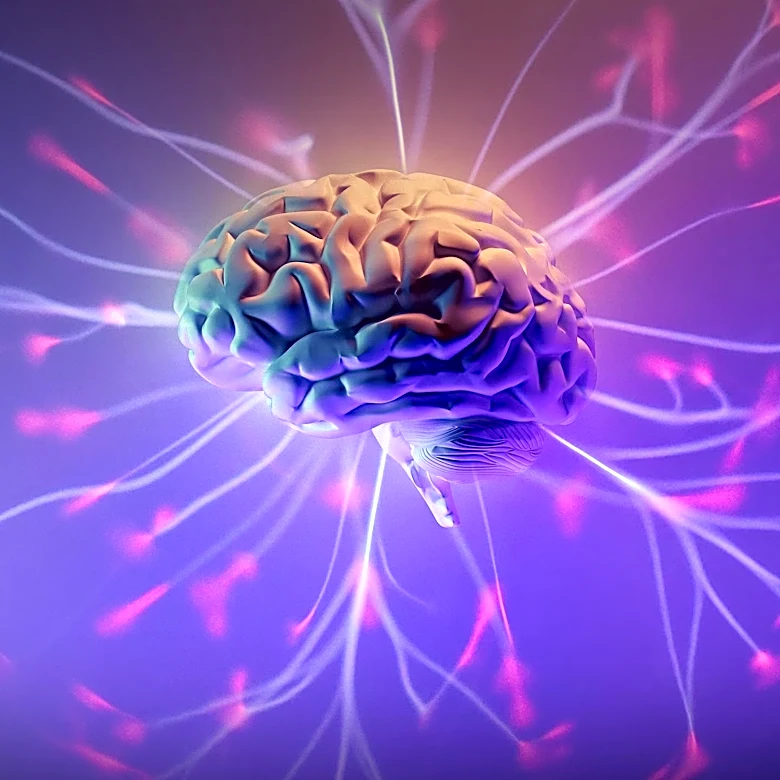
Nowhere is the mental battle more apparent than with the 'yips'—the sudden, involuntary jerks, twitches, or freezes that plague golfers, especially on short putts. While once dismissed as purely performance anxiety, researchers now understand the yips can be a form of focal dystonia, a neurological issue where the brain sends faulty signals to muscles during a specific, highly repeated task. Anxiety doesn't necessarily cause the yips, but it absolutely makes them worse. The condition affects a startling number of serious golfers, with some studies suggesting up to half have experienced it. It has afflicted legends from Ben Hogan to Ernie Els, proving it's not a sign of mental weakness but a complex psychoneuromuscular problem where the mind and body are in open conflict.
The Battle Between Creativity and Control
A great short game is a blend of golf IQ and creativity. It's about seeing the shot—a low runner, a soft flop—and then letting your athletic instincts take over to produce it. Players who struggle mentally with their short game often have too much interference from the thinking side of the brain. They try to consciously control the shot instead of just playing it. This is why many golfers hit beautiful, free-flowing chips and pitches on the practice green, where there are no consequences, but can't replicate it on the course. The fear of a bad result causes them to tighten up and try to guide the club, which kills the natural feel and rhythm that the shot requires. Winning the short game battle means quieting the inner critic and trusting the skills you've built through practice.