






The Daily Toll on Your Muscles
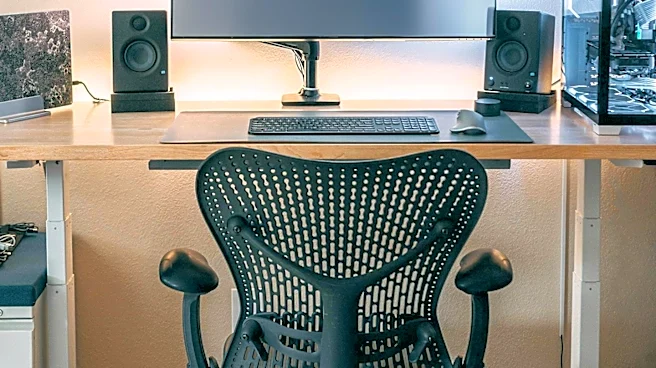
You don't need to run a marathon to strain your muscles. Everyday activities create their own form of physical stress. Prolonged sitting, for example, is not a truly restful state for your body. It forces certain muscles in your back, neck, and hips to work
continuously to maintain your posture, while others become inactive and weak. This static demand can lead to tightness, stiffness, and discomfort. Think of the tension in your shoulders after a long day at a desk, the ache in your lower back from driving, or the stiffness in your neck from looking down at your phone. These are all signs of muscle fatigue from low-grade, chronic strain, not an intense workout.
Redefining 'Strain' and 'Recovery'
For athletes, recovery is about repairing the microscopic tears in muscle fibers caused by intense exertion. For the rest of us, it's about counteracting the imbalances and tension built up over hours of repetitive motion or sustained postures. When some muscles become chronically tight from overuse (like your hip flexors from sitting) and others become weak from underuse (like your glutes), it creates an imbalance that can lead to poor posture, pain, and a reduced range of motion. 'Recovery,' in this context, means interrupting these patterns and giving your muscles a chance to reset. It’s less about rebuilding from a massive effort and more about relieving persistent tension.
Simple Recovery Habits for Everyday Life
The good news is that daily muscle recovery doesn't require expensive gadgets or complicated routines. It's about incorporating small, consistent habits into your day. One of the most effective strategies is simply to move more frequently. Taking short breaks every hour to stand up, walk around, or do a few gentle stretches can increase blood flow, reduce stiffness, and prevent muscles from getting locked into one position. Hydration is also key, as not drinking enough fluids can contribute to muscle cramps and tightness. Prioritizing sleep is another non-negotiable, as this is when your body does most of its repair work, even from minor daily stresses.
Targeted Stretches You Can Do Anywhere
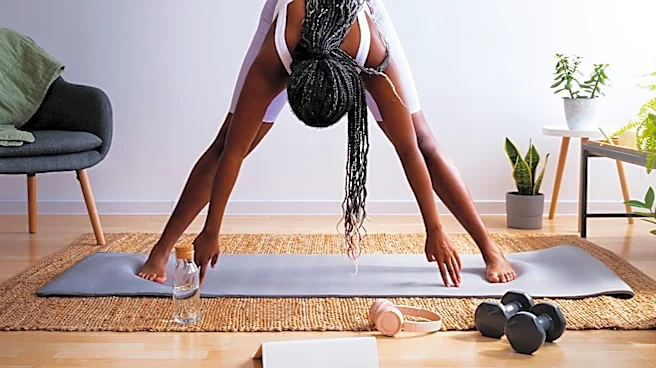
A few simple stretches can provide immediate relief and long-term benefits. To counteract a hunched-over posture, try a chest and shoulder stretch by clasping your hands behind your back and gently lifting your arms. For lower back tension, a seated spinal twist can help. Simply sit tall and gently rotate your upper body, using the chair for support. To relieve a stiff neck, try the chin tuck exercise: sit up straight, look forward, and gently glide your chin backward without tilting your head. These movements increase flexibility, boost circulation to tight muscles, and can help alleviate soreness.