


The Quarterback as an Eraser
The fastest way to cover up a team's deficiencies is with a superstar quarterback. An elite QB is like a cheat code, capable of elevating a mediocre supporting cast and making a shaky offensive line look serviceable. They extend plays with their legs,
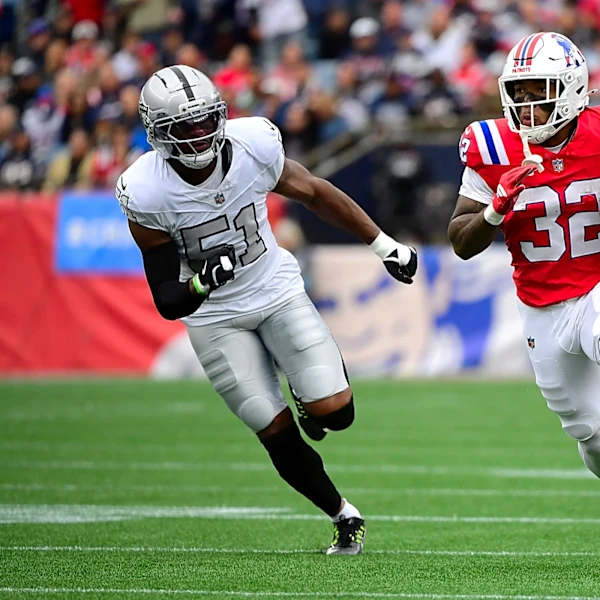
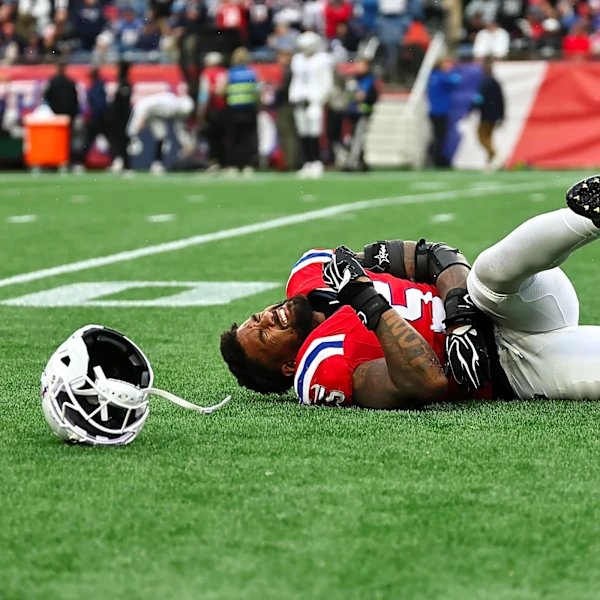
fit passes into impossible windows, and read defenses so well they neutralize complex blitz schemes before the snap. Look at the New England Patriots. After a rocky start to the 2026 season, quarterback Drake Maye has returned to his MVP-caliber form. Despite questions elsewhere on the roster, his ability to create big plays and avoid turnovers can single-handedly keep the team in games they have no business winning. A quarterback who can consistently make magic happen is the ultimate deodorant for a flawed roster, masking weaknesses by simply out-scoring the problem.
Masterful Coaching and Schematic Advantages
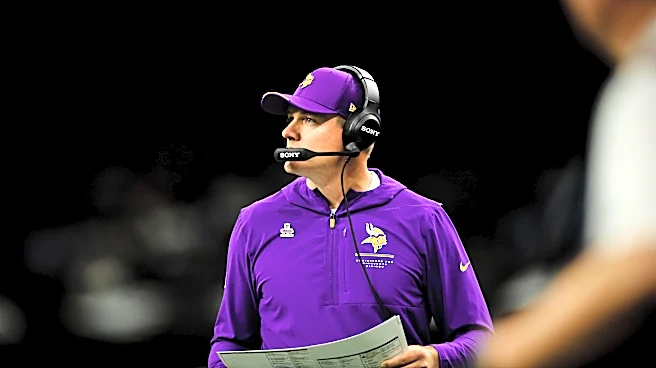
Talent is crucial, but strategy can often be decisive. A brilliant coaching staff can act as a force multiplier, designing schemes that hide weaknesses and accentuate strengths. This is where you see teams with a 'next man up' mentality truly thrive. For instance, the Minnesota Vikings are undefeated through five weeks, but their success is built almost entirely on one side of the ball. Head coach Kevin O'Connell and defensive coordinator Brian Flores have crafted a defensive unit that ranks first in the league in points allowed, suffocating opponents and creating turnovers. Their offense, however, ranks in the bottom half of the league in scoring. This is a classic case of coaching a team to play to its identity. By slowing the game down, dominating on defense, and asking the offense to simply be methodical and avoid mistakes, the Vikings are winning with a lopsided roster. A great coach doesn't just manage players; they build a system where the whole is greater than the sum of their parts.
The Overpowering Strength of One Unit
Sometimes, being just 'good' everywhere is less effective than being truly dominant in one specific area. A team with a fearsome, game-wrecking defensive line, for example, can disrupt an opponent's entire offensive game plan. That pressure leads to rushed throws, turnovers, and bad field position, taking the heat off a team's own struggling offense. The same can be said for a dominant offensive line that paves the way for a powerful running game. A team that can control the clock and wear down the opposing defense can keep their own flawed defense off the field and win low-scoring, grind-it-out affairs. These 'unbalanced' teams might not look like conventional contenders, but their elite strength in one phase of the game is often enough to create a winning edge against more well-rounded but less spectacular opponents.
Favorable Schedules and a Little Luck
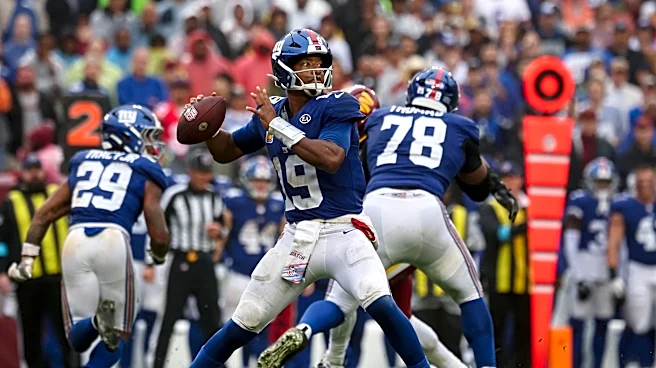
While it’s the least satisfying explanation, it’s often a very real factor. Navigating the NFL season is a war of attrition, and sometimes winning is about who you play and when you play them. A string of games against teams battling key injuries, mired in losing streaks, or simply in a lower tier of talent can pad a team’s record and build confidence. The New York Giants, for example, are leading their division with a 3-1-1 record. While they've shown flashes of strong play, their season also includes a tie against the Commanders and victories over teams with losing records. Furthermore, winning close games often comes down to a few fortunate bounces of the ball—a tipped pass that falls into the right hands or a questionable penalty at a crucial moment. While good teams often create their own luck, a favorable schedule and some timely good fortune can absolutely help a flawed team look like a contender.