







First, Let's Define the 'Chili'
Before igniting a culinary civil war, it's important to understand what Cincinnati chili actually is. It's almost never eaten from a bowl on its own. Instead, it’s a meat sauce served over spaghetti or hot dogs (called “coneys”). Ordering is done via
the “way” system. A “two-way” is spaghetti and chili. A “three-way” adds a generous pile of shredded cheddar. “Four-way” includes onions or beans, and a “five-way” has both. The sauce itself is also different. It has a thinner, soupier consistency than the thick stews most people associate with chili. And the flavor is the real point of contention. Instead of the smoky, cumin-forward notes of a Texas chili, Cincinnati's version is scented with warm, Mediterranean spices like cinnamon, nutmeg, and allspice. The popular myth that it contains chocolate is, however, false, according to local culinary historians.
A Different Kind of Origin Story
The confusion stems from its unique history. Cincinnati chili wasn't created by cowboys on a cattle drive; it was invented by Macedonian Greek immigrants in the 1920s. Brothers Tom and John Kiradjieff opened Empress Chili in 1922 next to a burlesque theater, serving a dish inspired by their homeland. It more closely resembles a Greek spiced meat sauce, or saltsa kima, than chili con carne. They adapted a familiar recipe, likely swapping beef for the more traditional lamb, to appeal to a broader American customer base. They called it “chili” because, in the parlance of the time, that was a catch-all term for a spicy meat sauce. It was a savvy business move, not a culinary misclassification.
The Case Against: It's a Pasta Sauce
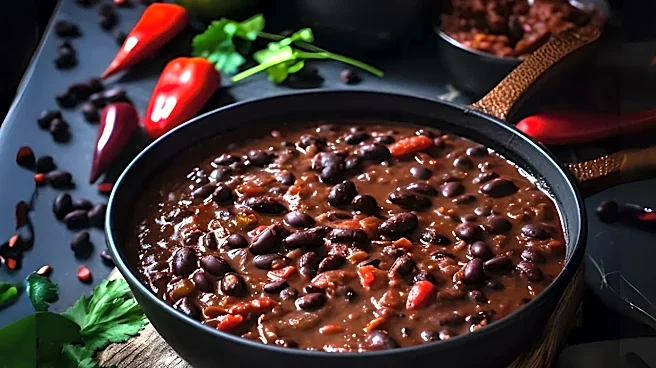
For purists, especially those from Texas where chili con carne is the official state dish, Cincinnati chili is an imposter. The argument is straightforward: chili is a stew, not a topping. Texas-style chili is defined by chunks of beef, a focus on dried chiles, and a strict “no beans” policy within the dish itself. Cincinnati chili breaks all these rules. It uses finely ground beef, is served on pasta, and features spices more common in a spice cake than a hearty stew. Detractors argue that its consistency and application make it, at best, a regional bolognese and, at worst, as one viral rant described it, “horrifying diarrhea sludge.” The fact that it's served over spaghetti is often the most difficult hurdle for outsiders to overcome.
The Case For: It's a Chili of Its Own
Defenders argue that definitions evolve and that regional identity matters more than rigid culinary dogma. For over a century, Cincinnati has called this dish chili. It's served in more than 250 local parlors, from iconic chains like Skyline and Gold Star to beloved independent shops. It functions as the city’s chili, a comfort food that has defined generations of local eaters. The name stuck because it was created in a city where German and other European immigrants already had a broad definition of what a spicy meat dish could be. To its fans, questioning its name is missing the point. It’s a uniquely American dish, born from immigrant ingenuity and adopted as a fierce point of local pride.