







You Feel Weak and Fatigued
One of the first and most common clues of low protein intake is a persistent feeling of weakness or exhaustion. Protein is a crucial component of hemoglobin, which is responsible for transporting oxygen throughout your body. Without enough, your cells
don't get the oxygen they need, leading to fatigue. Furthermore, protein helps stabilize blood sugar, preventing the energy spikes and crashes that come from a carb-heavy diet. If you're feeling sluggish despite getting enough sleep, your diet might be the culprit.
Your Hair, Skin, and Nails are Brittle
If your hair seems to be thinning, your nails split easily, or your skin is dry, it might be time to check your protein levels. Hair, skin, and nails are primarily made of a protein called keratin. When your body isn't getting enough protein from your diet, it has to make choices, diverting its limited supply to essential functions like organ support. This leaves non-essential tissues, like hair and nails, to fend for themselves, resulting in brittleness and slow growth.
You’re Losing Muscle or Not Gaining It
Protein is the fundamental building block for muscle tissue. When you don't eat enough, your body may start breaking down your existing muscle mass to get the amino acids it needs for more critical bodily functions. This can manifest as a loss of strength, difficulty with workouts, or finding that you're not building muscle despite regular exercise. This is particularly important as people age, since muscle mass naturally declines, and adequate protein intake becomes vital for maintaining strength and mobility.
You’re Always Hungry and Craving Snacks
Of the three macronutrients—protein, carbs, and fats—protein is the most satiating. It helps you feel fuller for longer. If you find yourself constantly battling hunger pangs or reaching for snacks shortly after a meal, it may be because your meal lacked a sufficient protein punch. A low-protein diet can lead to more frequent hunger, which can sometimes contribute to weight gain as you consume more calories to feel satisfied.
You Seem to Get Sick Often
A robust immune system relies heavily on protein. The antibodies that your body produces to fight off bacteria and viruses are, in fact, proteins. If you're catching every cold that goes around or taking longer than usual to recover from an illness, a protein deficiency could be compromising your immune defenses.
Swelling in Your Hands or Feet
A more severe sign of protein deficiency is edema, which is swelling caused by fluid buildup in your body’s tissues. One of the key proteins in your blood, albumin, helps hold salt and water inside your blood vessels. When protein levels are very low, fluid can leak out into the surrounding tissues, commonly causing puffiness in the legs, feet, hands, and abdomen.
How to Easily Increase Your Protein
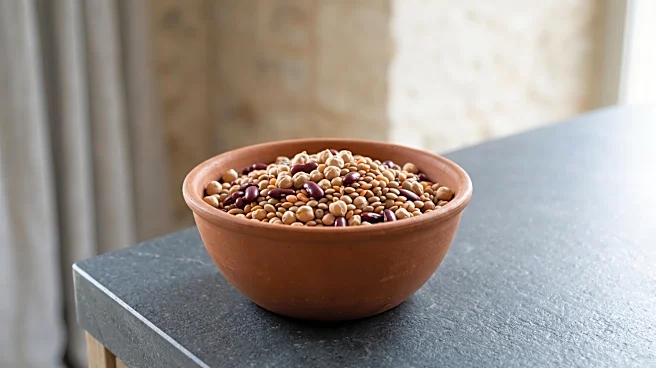
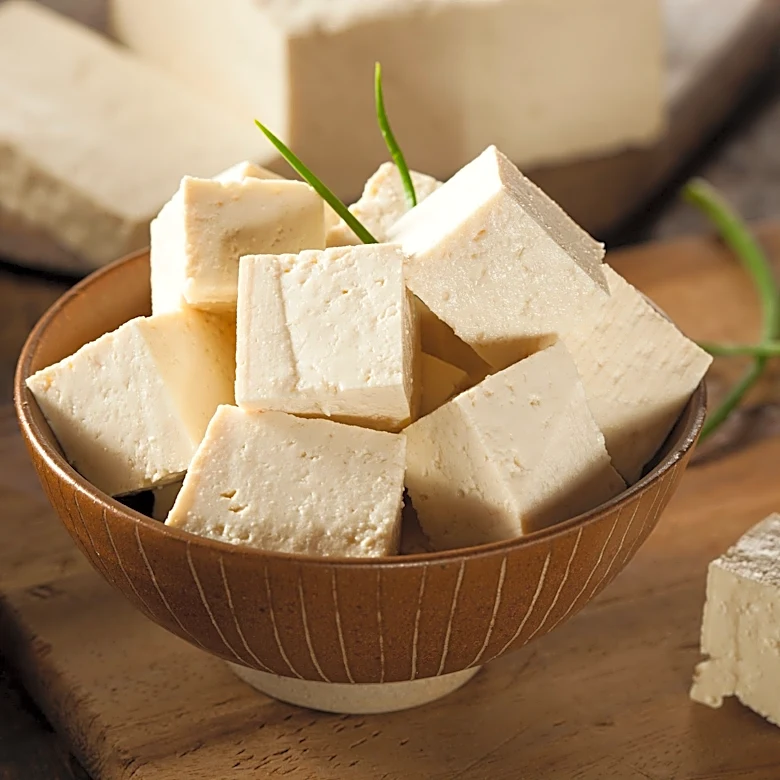
The good news is that boosting your protein intake is straightforward. The general recommendation for a sedentary adult is about 0.8 grams of protein per kilogram of body weight, though this increases if you are active or over the age of 50. For a 150-pound person, this translates to about 55 grams daily. Aim to include a protein source with every meal. Excellent options include lean meats like chicken and turkey, fish such as salmon and tuna, and eggs. Don't forget plant-based powerhouses like beans, lentils, chickpeas, tofu, edamame, nuts, and seeds, which also provide fiber and other valuable nutrients. Even adding a scoop of Greek yogurt or cottage cheese to your breakfast can make a significant difference.