






Your Brain on Autopilot (In a Good Way)
Every day, your brain is forced to make thousands of decisions, from what to wear to how to respond to an email. This constant choosing depletes a finite resource of mental energy, leading to what psychologists call 'decision fatigue'. It’s that 3 p.m.
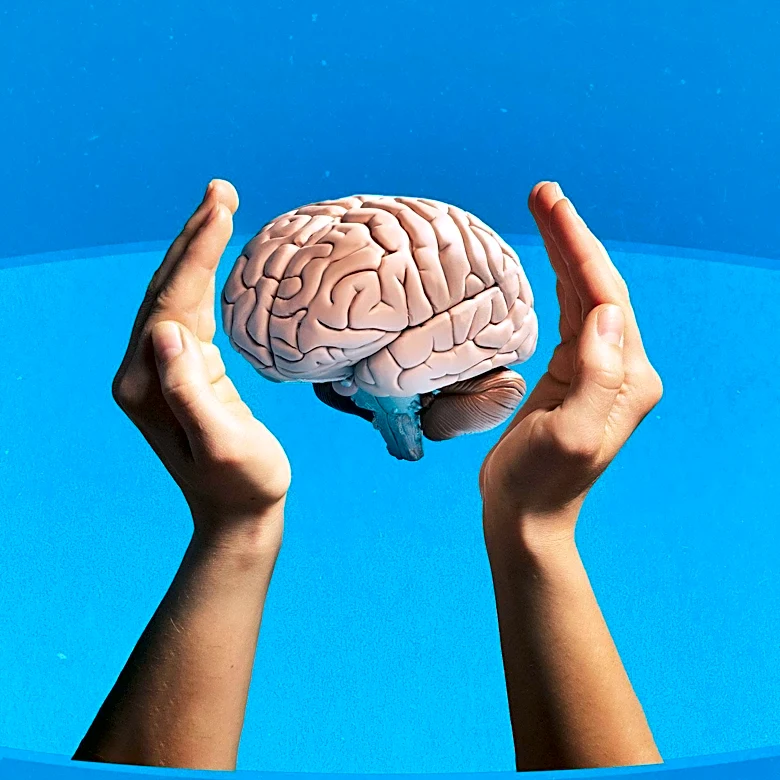
feeling when even deciding on dinner feels like a monumental task. A routine automates the low-stakes choices. By putting recurring tasks like your morning coffee, workout, or meal prep on autopilot, you stop draining your brainpower on the mundane. The brain's basal ganglia, which governs automatic behaviors, takes over these repeated actions, turning them from conscious choices into effortless habits. This process conserves your most valuable asset—your focus—for the decisions that actually matter. Think of it as creating cognitive shortcuts that free up mental bandwidth for more complex and creative challenges.
An Anchor in the Chaos
Life is unpredictable, and that uncertainty can be a major source of stress and anxiety. Routines act as an anchor, providing a sense of stability and control when everything else feels chaotic. This predictability is deeply reassuring to our nervous system. Knowing what comes next—even if it's just a consistent bedtime or a simple morning ritual—lowers stress levels and can help manage symptoms of anxiety and depression. A predictable daily rhythm helps regulate your body's internal clock, or circadian rhythm, which has a direct impact on your mood, energy, and sleep quality. Research has shown that people with structured daily lives tend to report lower levels of anxiety. The routine becomes a reliable framework you can lean on, making it easier to navigate disruptions with a calmer, more resilient mindset.
The Surprising Link Between Structure and Creativity
There's a common myth that routine is the enemy of creativity, killing the spontaneity required for great ideas. But many of the most creative minds in history were creatures of habit. The truth is, structure doesn't stifle creativity; it enables it. By automating the necessary but uninspired parts of your day, you create more mental space for innovation. When your brain isn't bogged down deciding when to work, eat, or exercise, it's free to wander, make unexpected connections, and solve bigger problems. A well-designed routine ensures that the foundational pillars of your life are handled, which gives the psychological safety and energy to take creative risks. The routine isn't the cage—it's the solid ground from which you can leap.
How to Build a Routine That Sticks
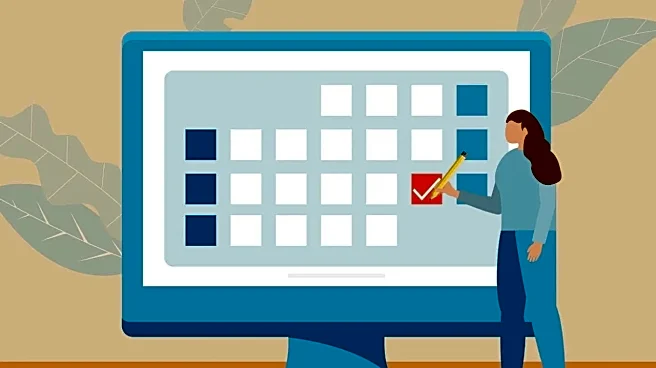
Starting a routine doesn't mean overhauling your entire life overnight. The key is to start small and build momentum. Pick one or two 'anchor habits' to build your day around, like waking up at the same time or taking a 10-minute walk after lunch. Another powerful technique is 'habit stacking', where you link a new, desired behavior to an existing one. For instance, if you want to start meditating, try doing it for two minutes right after you brush your teeth. The established habit (brushing your teeth) acts as a trigger for the new one. And don't aim for perfection. Life happens, and you will inevitably miss a day. The goal isn't to be flawless; it's to be consistent. Just get back to it the next day without judgment.