





It’s About The Film Itself
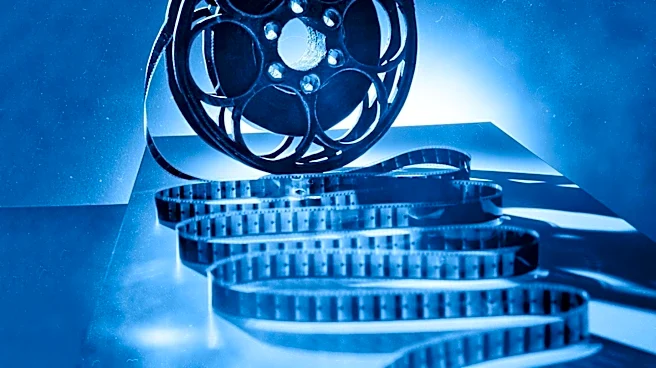
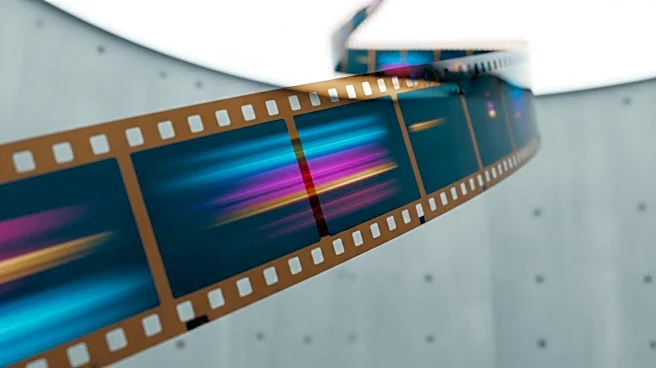
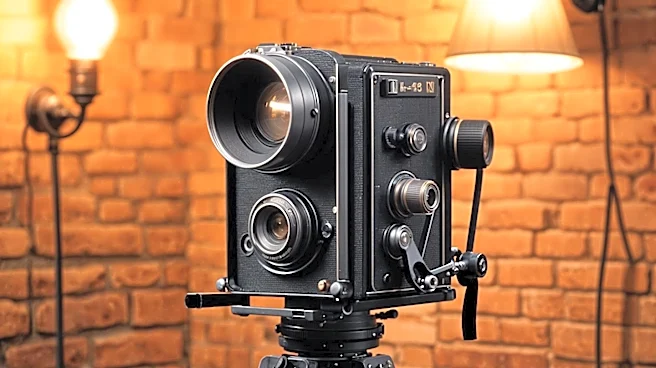
At its core, IMAX 70mm is all about the physical film. While most movies you see are projected digitally, this is an analog format. The “70mm” refers to the width of the film strip, which is double the old industry standard of 35mm. A bigger piece of film means
a bigger canvas to capture visual information. The result is an image with stunning clarity, rich colors, and a level of detail that digital projectors struggle to match. Some experts estimate its resolution to be the equivalent of 16K or even 18K, far surpassing the 2K or 4K resolution of most digital cinemas. This is why it’s often called the highest-quality imaging format in the world.
A Different Direction and a Taller Picture
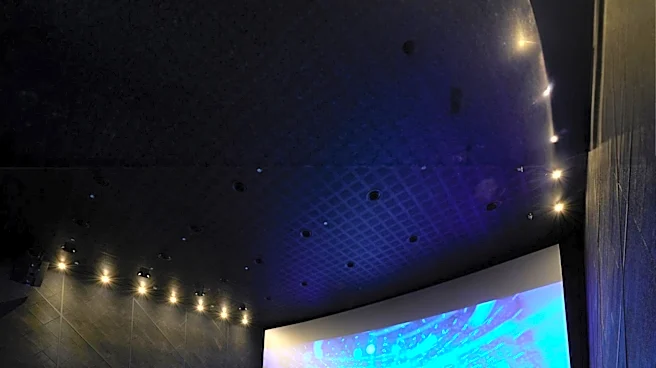
Here’s where IMAX 70mm really separates itself from regular 70mm. Instead of running the film vertically through the projector, IMAX feeds it horizontally. This allows for a much larger image frame—about three times the size of a standard 70mm frame and nearly ten times that of 35mm film. This massive frame creates a unique aspect ratio of 1.43:1, which is much taller and more squarish than the typical widescreen formats (like 1.90:1 or 2.39:1) you’re used to. In a true IMAX theater, this allows the image to fill the entire floor-to-ceiling screen, creating an immersive experience that can take up your entire field of vision with no black bars.
The Director’s Ultimate Canvas
Filmmakers like Christopher Nolan, who has championed the format for years in films like The Dark Knight, Dunkirk, and Oppenheimer, see IMAX 70mm as “virtual reality without the goggles.”. Shooting on IMAX film is notoriously difficult; the cameras are huge, heavy, and traditionally very loud, making them a challenge for dialogue scenes. However, for directors committed to spectacle, the payoff is an unparalleled sense of scale and immersion. The format is so demanding that it forces a certain discipline, as every detail is magnified on screen. It’s an artistic choice to deliver the most powerful visual experience possible, just as the director intended.
Analog Feel vs. Digital Perfection
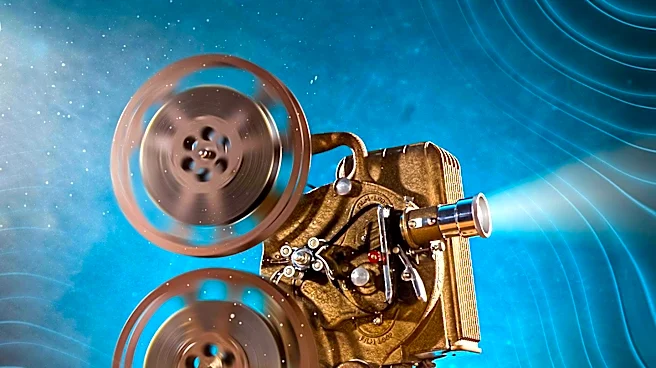
Beyond resolution, there’s a textural difference. Film projection has a subtle, organic quality. You might notice a slight flicker or a faint grain structure that makes the image feel more alive. Digital projection, including Digital IMAX (which uses 4K laser projectors), is incredibly bright and consistent but lacks that analog warmth. Furthermore, a film print can degrade slightly over time with each showing, collecting tiny bits of dust or scratches, making each viewing unique. While digital is sharper and more reliable for many, film purists argue that 70mm IMAX offers a more authentic and visceral connection to the movie.
Is It Worth the Hype?
So, should you go out of your way to see a film in IMAX 70mm? If you care about getting the absolute best, most immersive visual experience, the answer is a resounding yes. However, it's a rare treat. There are only a handful of theaters in the world—around 30 to 45—that are equipped with the massive, complex projectors required to show 15/70mm film. An IMAX film print for a major feature can be up to 11 miles long and weigh 600 pounds, requiring a specialized platter system to run. It's an expensive and logistically complex format, which is why most theaters have switched to more convenient digital systems.