




An Empty Channel and a Prophetic Song
Just after midnight on August 1, 1981, a new cable channel flickered to life in a handful of New Jersey homes with the words, "Ladies and gentlemen, rock and roll.". The first video broadcast was The Buggles' "Video Killed the Radio Star," a choice that
proved almost comically prophetic.. In its early days, MTV was a shoestring operation, run by a small team of founders including Robert Pittman and John Lack, who saw a gap in the nascent cable market for a 24/7 channel aimed at young people.. The video library was so shallow that VJs—the new on-air personalities who quickly became stars in their own right—were forced to play the same clips over and over.. The channel wasn't even available in New York or Los Angeles, leading many record executives to dismiss it as an irrelevant gimmick..
The Marketing Stroke of Genius
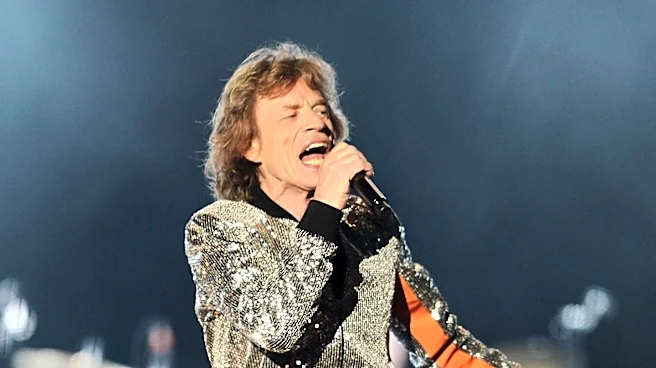
After a year, the channel was struggling.. It needed to get into more homes, but cable operators were reluctant to add a channel dedicated to rock and roll.. In a brilliant pivot, MTV's marketing team stopped trying to sell to the cable companies and went directly to the audience. They launched the "I Want My MTV!" campaign, featuring rock superstars like Mick Jagger, David Bowie, and Pete Townshend looking into the camera and demanding their music television.. The campaign was a massive success. Suddenly, cable companies were inundated with calls from customers demanding the channel.. It was a perfect demonstration of creating consumer demand to force the hand of distributors, and it saved the network from the brink of failure..
The New Star-Making Machine
With distribution secured, MTV's true power became clear: it was a star-making machine unlike any other. An artist's look, style, and on-camera charisma suddenly became as important as their sound.. Record labels, once hesitant to provide videos for free, now poured money into producing slick, cinematic clips.. Artists like Duran Duran and The Police, with their telegenic looks, became international superstars.. But no one demonstrated the channel's power more than Michael Jackson. His videos for "Billie Jean" and "Beat It" were more than just promotional clips; they were cultural events that proved MTV could elevate an artist to a global icon.. Soon, Madonna would use the channel to craft her ever-changing persona, turning each new video into a statement on fashion, religion, and identity..
Reshaping Culture Beyond Music
MTV's influence quickly bled out of the music world and into the broader cultural landscape. The rapid-fire editing and vibrant visuals of music videos created a new aesthetic that shaped television commercials, movies, and graphic design.. Fashion trends were no longer dictated by runways in Paris; they were born in music videos, as fans scrambled to copy the looks of Madonna's lace gloves or Michael Jackson's red leather jacket.. The network also pioneered reality television with "The Real World" in 1992, creating a format that would come to dominate television for decades.. It became the default destination for youth culture, launching awards shows like the VMAs and creating specialized programming blocks like "Yo! MTV Raps" and "Headbangers Ball" that gave dedicated platforms to burgeoning genres..