


1. A Defense That Can't Stop Leaking Goals
The most glaring issue for Michael Carrick's side is a defense that appears porous and disorganized. In the opening three Premier League fixtures, United conceded two goals in each match. This isn't a new problem; it's a continuation of last season's
frailties, where they conceded 50 league goals. A late equalizer conceded against Everton served as a painful reminder of this vulnerability, exposing what seems to be a recurring weakness. The club's summer transfer strategy is now under intense scrutiny. While the midfield was bolstered with several signings, United failed to acquire a single new defender. This has left the team looking dangerously thin at the back, a fact not lost on critics like former captain Gary Neville, who warned that injuries to key players like Harry Maguire or Luke Shaw could trigger a full-blown crisis. Without defensive reinforcements, opponents seem to believe they can score against United, a perception that is quickly becoming a self-fulfilling prophecy.
2. An Ineffective and Unbalanced Attack
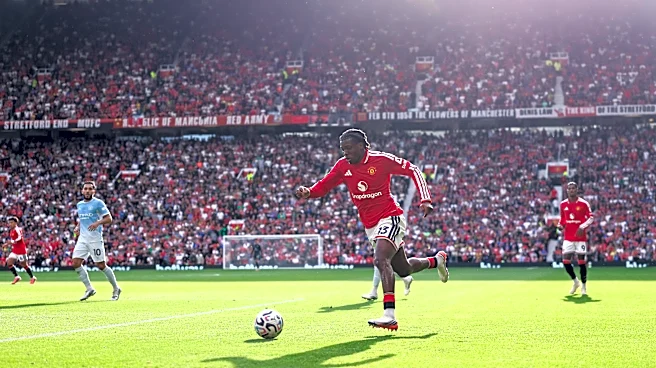
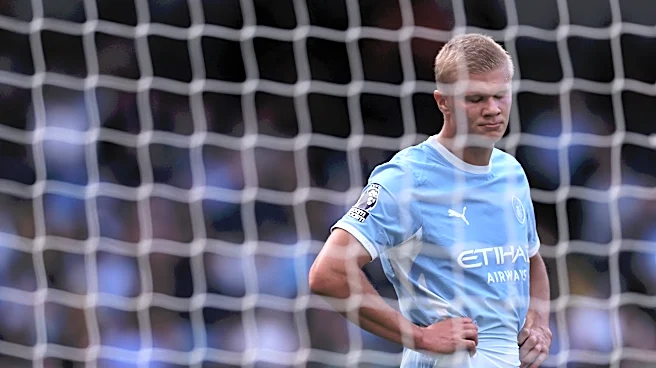
For all the talk about the defense, the attack has hardly been clinical or convincing. The recent Manchester derby was a case in point. Despite playing against ten men for over an hour after Phil Foden's sending-off, United failed to break down City's defense and lost 1-0. Midfielder Youri Tielemans admitted after the game that the team was "careless," didn't create enough chances, and failed to make the right decisions in the final third. This points to a deeper tactical issue. United's attack often becomes congested and predictable, with many players wanting the ball in the same central areas. This makes it easier for organized defenses to squeeze the space and shut them down. Against a 10-man City, the onus was on United to be creative and decisive, but they looked tactically rigid and unable to exploit their numerical advantage, a problem that has occurred three times in less than a year. The failure to score in such a scenario suggests a lack of a clear attacking plan beyond relying on moments of individual brilliance.
3. A Disconnected and Vulnerable Midfield
The midfield is supposed to be the engine room, connecting defense and attack, but United's often looks like a liability. There's a persistent feeling of imbalance. While players like Kobbie Mainoo are seen as the future, the unit as a whole lacks cohesion. The departure of Casemiro has left a significant void, and the team struggles to control games without a dominant holding midfielder to protect the back four. This was evident in a match against Tottenham, where United was in control until Casemiro was substituted, after which they conceded two late goals and barely held on for a draw. The current midfield often leaves the defense exposed, and during attacks, there's a visible lack of leadership, leading to chaotic and disorganized play. The new signings were meant to fix this, but the team's inability to control the tempo or provide adequate defensive cover remains a major concern. This midfield vulnerability is the root cause of many of the team's other problems, creating a soft center that opponents are learning to exploit with ease.