







An Origin Story with Real Roots
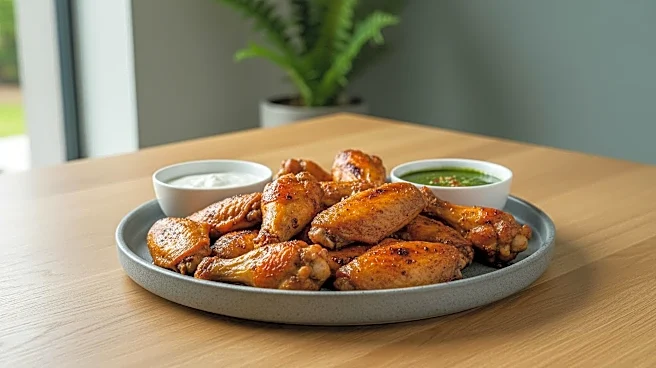
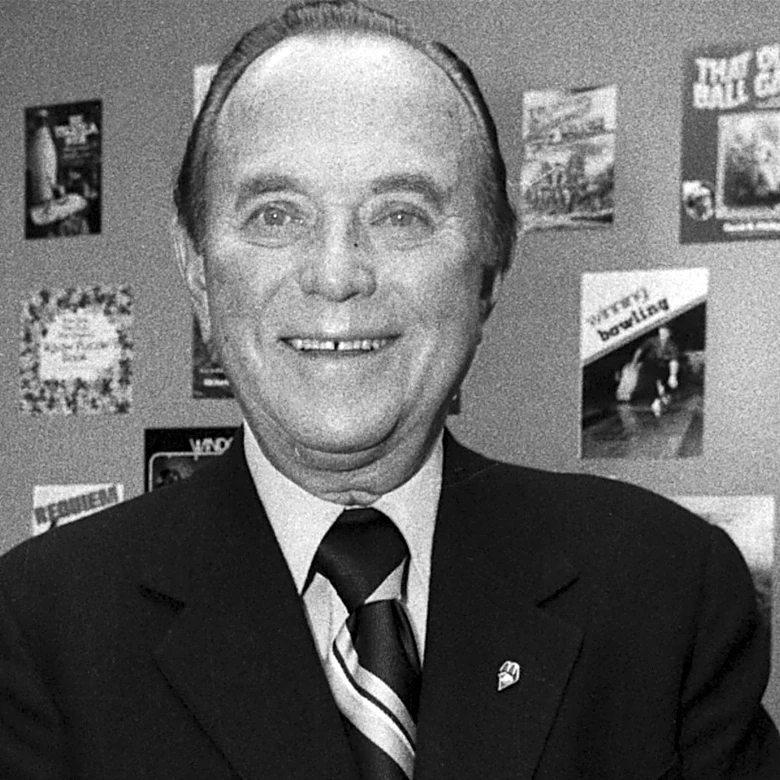
Let’s start with the holiday at hand. National Chicken Wing Day, celebrated each year on July 29th, is more official than you might think. It was established way back in 1977 by Stan Makowski, the mayor of Buffalo, New York. The city, widely credited
as the birthplace of the Buffalo wing in 1964 at the famed Anchor Bar, was already consuming thousands of pounds of wings a week. The proclamation was a civic nod to a local culinary phenomenon that was starting to gain national attention. In this sense, it began not as a marketing gimmick, but as a genuine, government-backed celebration of regional pride.
The Modern Holiday Machine
While some food holidays have historical or government-issued origins, the vast majority you see today are the product of a much newer industry. Enter companies like the National Day Calendar. Founded in 2013, this North Dakota-based company is the primary gatekeeper and creator of the modern, unofficial holiday. It maintains a massive list of days, from the serious to the silly, and its calendar is referenced by media outlets and brands across the country. For a fee, which can be several thousand dollars, companies and organizations can apply to have their own 'National Day' created and added to the official calendar. However, getting approved isn't a given; the company reportedly receives over 18,000 applications a year and only approves about 30, requiring a unanimous vote from its selection committee.
The Billion-Dollar Question: Why?
Why would a company pay to invent 'National Guacamole Day'? The answer is simple: marketing gold. An official-sounding holiday provides a ready-made reason for a brand to launch a promotion, create a social media hashtag, and earn media coverage. It gives customers a reason to engage and, more importantly, a reason to buy. Think of all the 'buy-one-get-one' deals you see on National Chicken Wing Day or the free donuts offered on National Donut Day. These events drive foot traffic and online orders, generating sales spikes in a crowded marketplace. It’s a powerful tool that turns an ordinary Tuesday into an event, creating a sense of fun and urgency for consumers.
More Than Just Marketing
It’s not purely a corporate game, though. Non-profits, advocacy groups, and cultural organizations also use these designated days to raise awareness for their causes. Think of International Day of Peace or World Kindness Day. These observances function in the same way, creating a focal point in the calendar year to rally support, educate the public, and drive conversation around an important issue. In this way, the 'national day' format has become a versatile cultural tool, useful for anyone—from a hot sauce company to a human rights group—vying for a moment of public attention.
So, Are They 'Real' Holidays?
If by 'real' you mean a federal holiday where you get the day off work, then no. Only Congress can create those. But in the landscape of modern culture, they are very real. These days are real marketing events that drive real sales. They are real social media phenomena that can trend nationally. They function as cultural signposts, giving us small, collective moments of fun and something to talk about. Some, like National Donut Day, even have roots in serious history, created to honor Salvation Army volunteers who served soldiers in World War I. Others were invented by food bloggers who simply loved Tater Tots.