






After the polls closed on the 2026 midterms, one story became clear: a decisive 'Blue Wave' not only materialized but exceeded expectations, with Democrats taking control of Congress. A critical force behind it was a dramatic shift among Latino voters.
A Sharp Reversal of Recent Trends
In what analysts are calling a stunning reversal, Latino voters swung sharply toward Democratic candidates, abandoning the gains Republicans made with the demographic in 2024. According to post-election analysis, Democratic House candidates won 67% of the Latino vote, a major increase from the 56% Kamala Harris secured two years prior. This amounted to a massive 21-point swing toward Democrats compared to 2024. The shift was widespread, with Latino men, who narrowly broke for Trump in 2024, backing Democrats 56% to 41% this cycle. Latinas, who already leaned Democratic, moved even further, with some analyses suggesting one in five Latinas who voted for Trump in 2024 switched their support to Democrats this year.
The Texas Turnaround
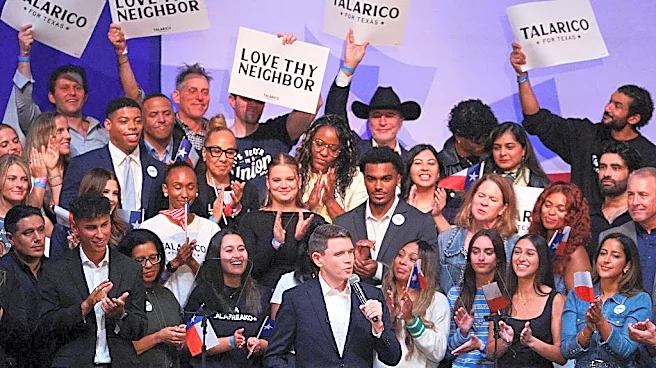
Nowhere was this political realignment more consequential than in Texas, where Democrats pulled off a historic sweep of statewide offices, including the governor's mansion and a U.S. Senate seat. This improbable victory was fueled by record Latino turnout and huge swings in heavily Hispanic border counties. In Cameron County, for example, Donald Trump won by a couple of points in 2024; in 2026, new Latina Governor Gina Hinojosa won it with 70% of the vote. In Maverick County, which Trump won by a wide margin in 2024, support for the GOP collapsed. This seismic shift across South Texas not only flipped local races but provided the margin for statewide Democratic wins, something unseen in the state for decades.
The Issues That Drove the Vote
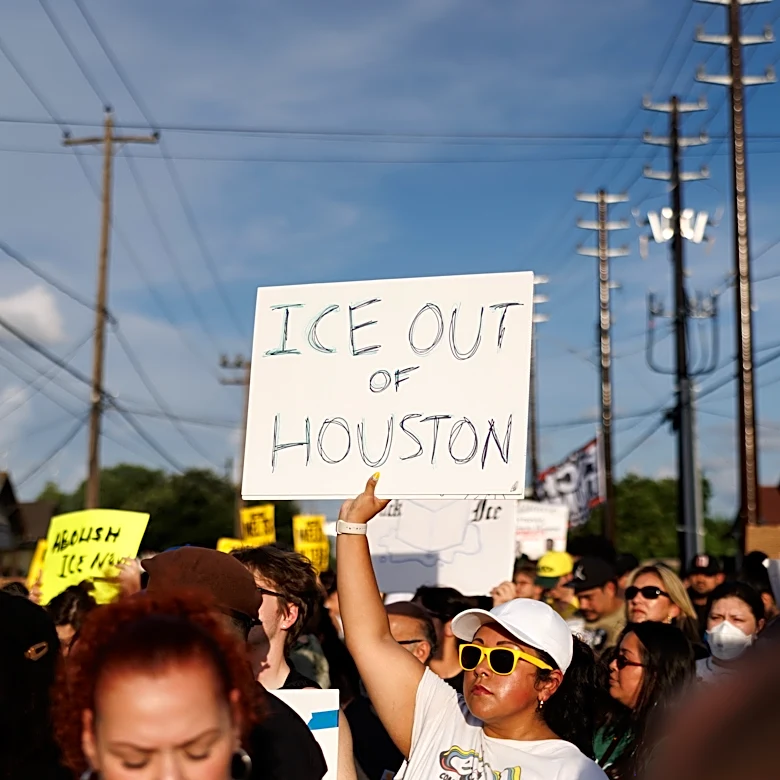
The reasons for the swing are complex, but exit polls point to a potent mix of economic anxiety and a backlash against Republican policies. Frustration over the cost of living and inflation were top priorities for Latino voters, many of whom felt President Trump's economic promises had not materialized. This was coupled with a strong disapproval of the administration's hardline immigration tactics. While immigration was a key motivator, it wasn't just about reform; it was a rejection of what many saw as cruel enforcement. Voters also expressed deep concerns over government corruption, with the performance of the Trump administration cited as a major factor in their decisions.
A Decisive Bloc, Not a Monolith
The 2026 results underscore the growing influence of the Latino electorate, which now accounts for about 15% of all eligible voters and more than half of the growth in the electorate since 2022. The results also highlight the group's dynamism. Polling from Colorado, for instance, showed a 15-point gender gap, with Latina women supporting Democrats at a much higher rate than Latino men. Turnout among new and young Latino voters was also a significant factor, with an estimated 4 million Latinos eligible to vote for the first time. Outreach from campaigns appeared to make a difference, as over 60% of Latino voters reported being contacted by a political organization, with Democrats having a slight edge in contact rates.