




The Tight End: From Blocker to Offensive Weapon
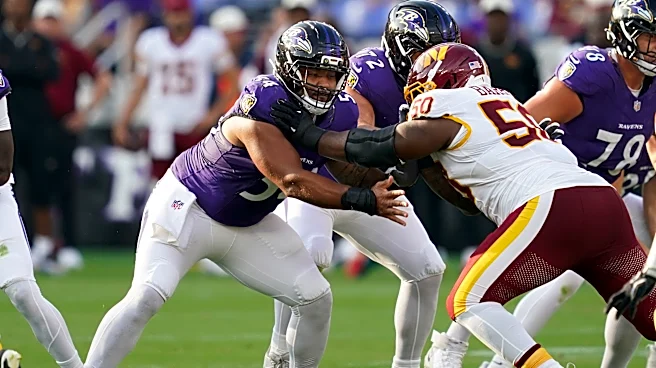
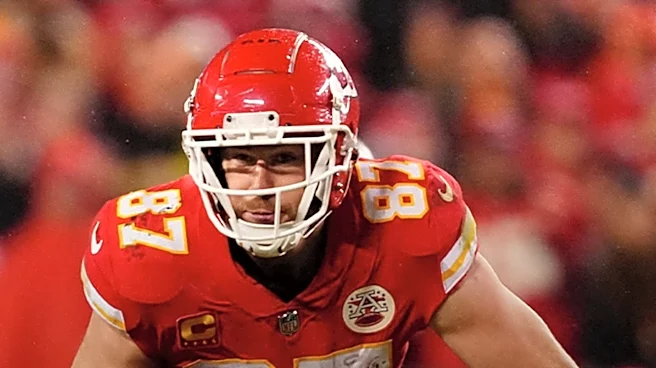
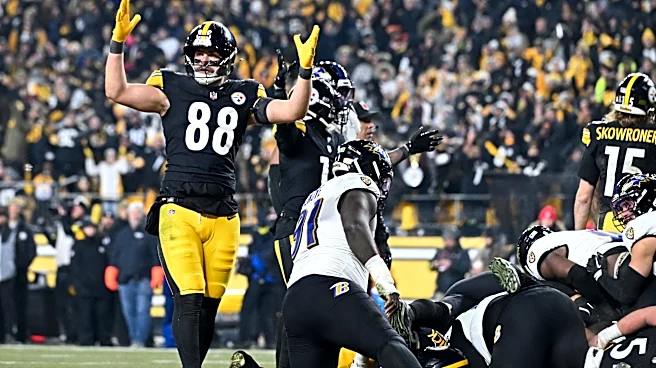
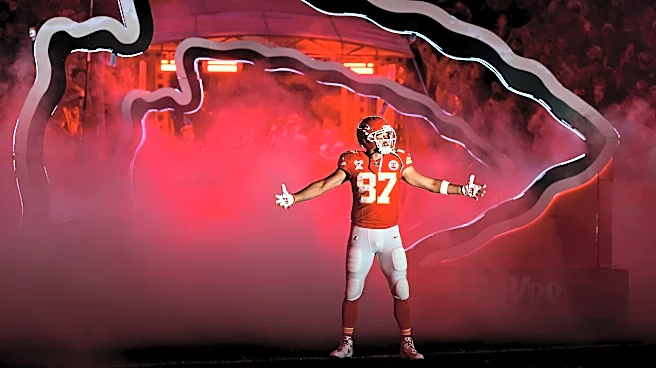
Not long ago, the prototypical tight end was essentially a sixth offensive lineman who could occasionally catch a pass. His primary job was to seal the edge for running plays. Today, that model has been turned on its head. Spurred by matchup nightmares
like Rob Gronkowski and Travis Kelce, the modern tight end is often a team's primary receiving threat. They are too big for cornerbacks to cover and too fast for most linebackers, creating mismatches all over the field. Offenses now intentionally split them out wide or use them in the slot, transforming them from blocking afterthoughts into offensive centerpieces that defenses must game plan for specifically.
The Running Back: From Bell Cow to Hybrid Threat
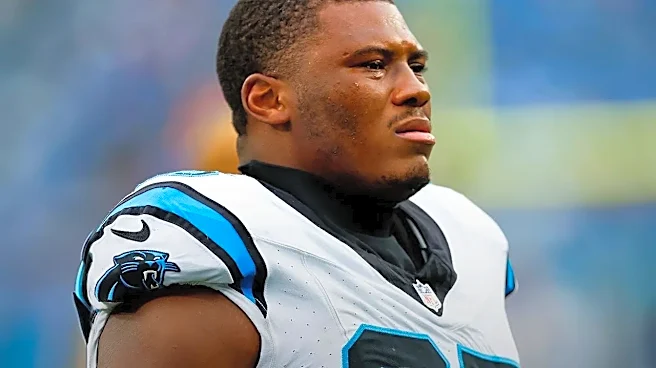
The era of the 30-carry-a-game workhorse running back is largely over. As the NFL has become a pass-first league, the value and role of the running back have shifted dramatically. Instead of just a powerful runner, teams now covet backs who are legitimate weapons in the passing game. The ideal modern back can run crisp routes from the backfield, line up in the slot, and provide reliable pass protection. This change was driven by efficiency analytics showing the passing game's superior value and the rise of versatile offensive schemes. A running back who can't contribute on all three downs, especially as a receiver, is now seen as a liability.
The Linebacker: From Thumper to Space Athlete
The classic, hard-hitting middle linebacker who only moved downhill to stuff the run has become an endangered species. As offenses spread the field with three or more wide receivers, defenses were forced to adapt. Heavy, powerful linebackers became liabilities in coverage, unable to keep up with shifty slot receivers and athletic tight ends. As a result, the position has trended smaller, lighter, and significantly faster. Today's linebacker often looks more like a large safety and is prized for his ability to cover ground from sideline to sideline and make plays in open space, a direct response to the horizontal stress modern offenses create.
The Nickel Cornerback: From Specialist to Starter
A decade ago, the nickelback was a substitute player who only came on the field in obvious passing situations, like third-and-long. But as three-receiver sets became the offensive standard, the nickelback's role exploded. In the modern NFL, teams are in a 'nickel' defense (with five defensive backs) more often than their base defense. This means the nickel corner is now effectively a full-time starter. Tasked with covering the opponent's often quick and shifty slot receiver, the position requires a unique skill set combining toughness against the run with elite agility, making it one of the most critical and challenging spots on the defense.
The Safety: From Defined Roles to Versatile Chess Piece
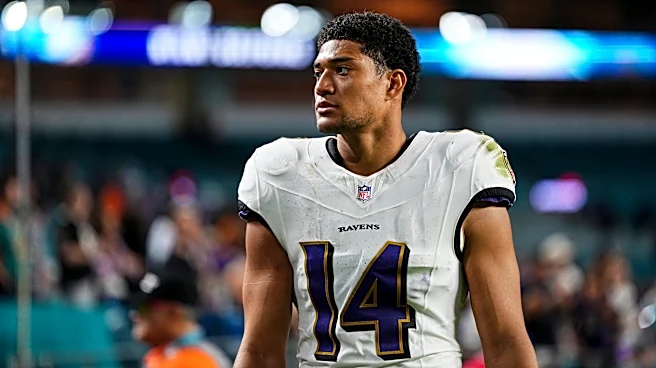
The traditional labels of "free safety" (coverage specialist) and "strong safety" (in-the-box run stopper) are fading fast. In today's NFL, versatility is king. The best safeties are now hybrid players who can do it all: cover the deep part of the field, drop down to cover a slot receiver, blitz the quarterback, and defend the run like a linebacker. Coaches use these multi-talented players as defensive chess pieces, moving them around the formation before the snap to disguise coverages and confuse quarterbacks. Players like Kyle Hamilton and Derwin James exemplify this new breed, lining up all over the defense and proving that predictability is a death sentence for a modern secondary.