






The champagne was on ice. After 12 grueling innings, the Milwaukee Brewers were just three outs away from their first World Series title. Then, a bullpen meltdown. As fans ask what went wrong, the real question is about who wasn't there.
1. The 1.80 ERA
Let’s start with
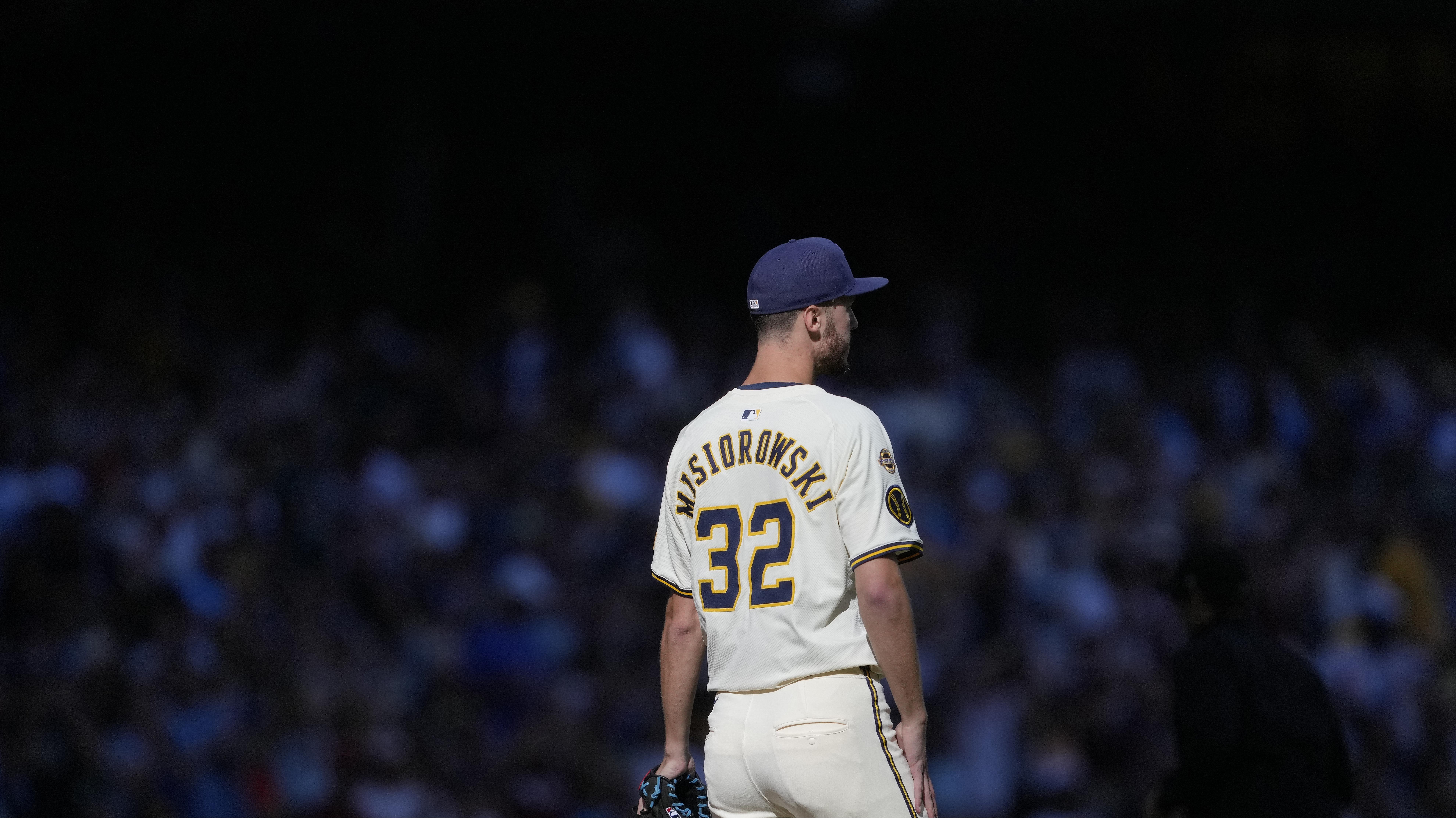
the most glaring number of all. Jacob Misiorowski finished the 2026 regular season with a 1.80 earned run average, the best in all of baseball. He also led the league with 252 strikeouts and posted a microscopic 0.802 WHIP, meaning he allowed fewer than one baserunner per inning. These aren’t just good stats; they are historically elite, the kind that win a pitcher the Cy Young award. The cardinal rule of postseason baseball is that you use your best players to win the game in front of you. With the World Series on the line, the Brewers had the single most dominant pitcher of the entire season sitting in the bullpen. Instead of handing the ball to their ace, manager Pat Murphy opted for a collection of less reliable arms, ultimately turning to rookie Shane Drohan, who promptly gave up four straight hits to lose the game. Saving your best arm for a potential Game 5 is a luxury you can't afford when the trophy is within reach.
2. The 104.5 MPH Fastball
In the highest leverage moment imaginable—bottom of the 12th, a one-run lead, championship on the line—you need a pitcher who removes all doubt. You need an arm that neutralizes bats and prevents the chaos of soft singles and seeing-eye grounders. Jacob Misiorowski is that arm. Nicknamed 'the Miz', he set a record in 2026 for the fastest pitch by a starter at an incredible 104.5 mph and casually threw the fastest pitch in World Series history in his Game 1 start at 103.5 mph. This isn't just heat; it's a weapon of intimidation and execution. It’s the kind of overpowering 'stuff' that generates swings and misses, a pitcher’s best friend when a single ball in play could end the season. While the Brewers watched their lead evaporate on a series of well-placed but hittable pitches, their nuclear option was inexplicably kept on standby. The moment called for a flamethrower who could end the conversation with three strikeouts. That pitcher was available, but the call never came.
3. The One Bad Decision
The final number is one: the one disastrous decision to prioritize a hypothetical tomorrow over a certain today. The Brewers' bullpen management in extra innings was a masterclass in questionable logic. Lefty Aaron Ashby had been magnificent, extending his own postseason record for scoreless relief innings before he was pulled in the 11th. Fair enough, his velocity was dropping. But the decision that followed was baffling. With the season on the line in the 12th, Murphy first stuck with Antonio Senzatela before turning to the rookie Drohan. Why skip over your other ace? The justification was that Misiorowski was needed to start Game 5. This is classic managerial malpractice—playing not to lose instead of playing to win. You use your best available arm to get the final three outs and secure the championship. If you win, there is no Game 5. By holding Misiorowski back, the Brewers not only lost the game but now place immense pressure on their young ace to save them in a game he never should have had to pitch.