





What Are Planetary Boundaries?
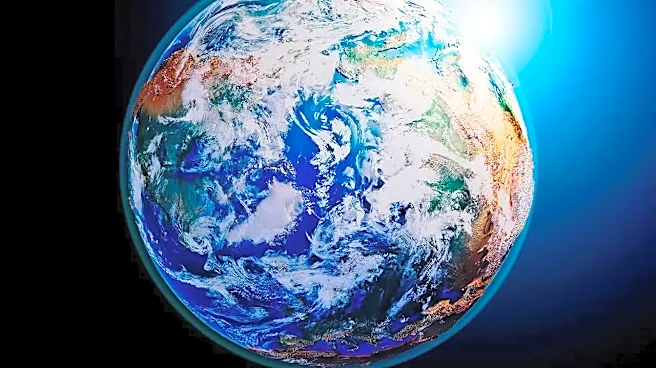
First proposed in 2009 by a group of international scientists, the planetary boundaries framework identifies the nine key Earth system processes that are crucial for maintaining the stable, Holocene-like conditions under which human civilization has thrived.
Each boundary represents a tipping point. Crossing it doesn't mean immediate catastrophe, but it significantly increases the risk of triggering abrupt, and potentially irreversible, environmental changes on a continental or even global scale. It's like a doctor telling you your blood pressure is high; it’s a warning that your risk of a heart attack has gone up, and it's time to act. These boundaries define the 'safe operating space' for humanity.
The Seven Breached Boundaries
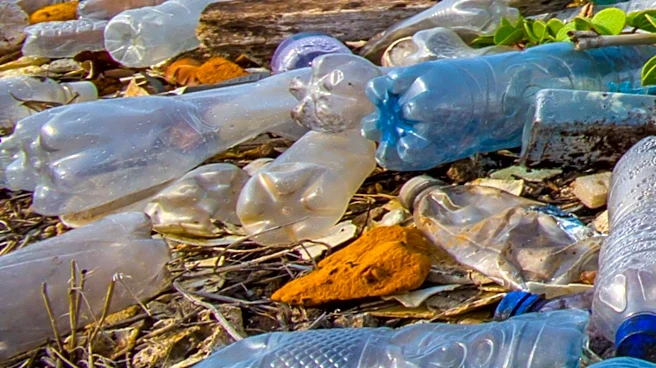
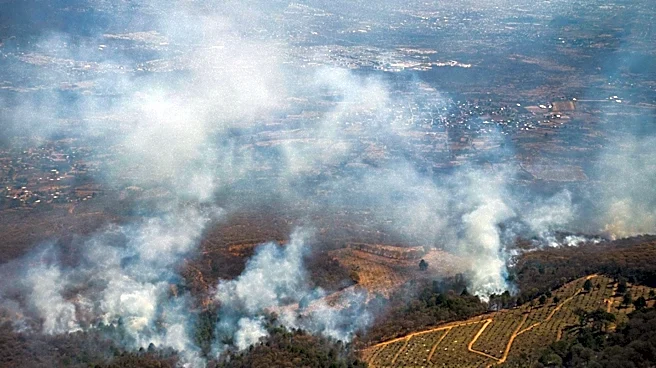
According to the latest scientific assessments, including the 2025 "Planetary Health Check," humanity's footprint has pushed seven boundaries into the red zone. The most recent addition to this list was ocean acidification. The seven transgressed boundaries are: Climate Change (excessive CO2), Biosphere Integrity (biodiversity loss and ecosystem disruption), Land-System Change (deforestation), Freshwater Change (overuse of both visible and soil water), Biogeochemical Flows (overload of nitrogen and phosphorus from fertilizers), Novel Entities (pollution from plastics, industrial chemicals), and now, Ocean Acidification. For several of these, including climate and biodiversity, we are not just over the line, but deep into a high-risk zone.
Why Crossing These Lines Matters
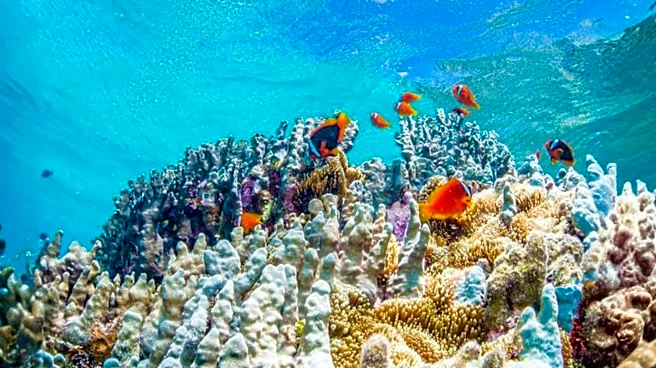
These are not abstract scientific metrics; they are interconnected systems that provide the clean air, fresh water, stable climate, and healthy ecosystems we all depend on. When we disrupt the nitrogen cycle with agricultural runoff, it creates coastal dead zones. When we clear forests, we not only lose biodiversity but also compromise a crucial tool for absorbing carbon from the atmosphere. The recent breaching of the ocean acidification boundary is a direct consequence of the ocean absorbing excess CO2, which threatens marine life from coral reefs to the tiny organisms at the base of the food chain. Scientists emphasize that these systems are deeply linked; pressure on one can destabilize others, creating a domino effect of risk.
The Two Boundaries Still in the Safe Zone
There are two areas where humanity as a whole has not yet crossed the planetary boundary: stratospheric ozone depletion and atmospheric aerosol loading. The success in managing the ozone layer is often cited as a powerful example of what's possible. Thanks to global cooperation and the Montreal Protocol, which phased out ozone-depleting chemicals, the ozone layer is slowly healing. This demonstrates that when science, policy, and international action align, it is possible to reverse negative trends. The boundary for aerosols—tiny particles in the air from pollution—has also not been globally crossed, though high concentrations still pose health and climate risks in many regions.
Not a Doomsday Clock, But a Call to Action
The scientists behind the framework are clear: their findings are a diagnosis, not a prophecy of doom. The goal is not to predict the end of the world, but to provide a guide for steering humanity back into the safe operating space. Crossing these boundaries shrinks our margin for error and makes our world less predictable and resilient. According to Johan Rockström, director of the Potsdam Institute for Climate Impact Research, "Failure is not inevitable; failure is a choice." The data provides a stark warning but also a clear map of which of the planet's vital systems need immediate attention and repair.