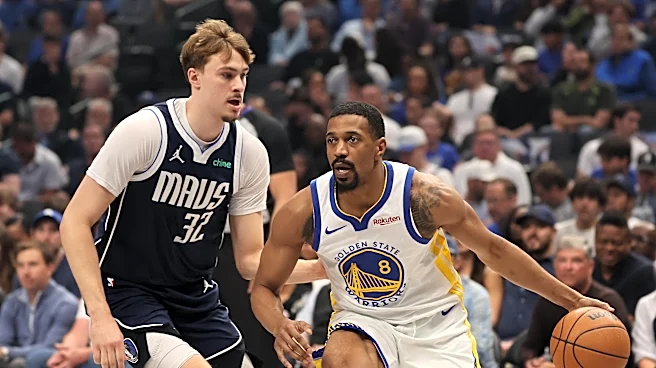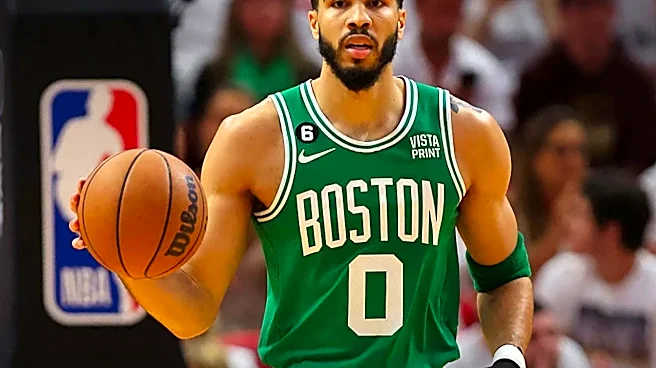

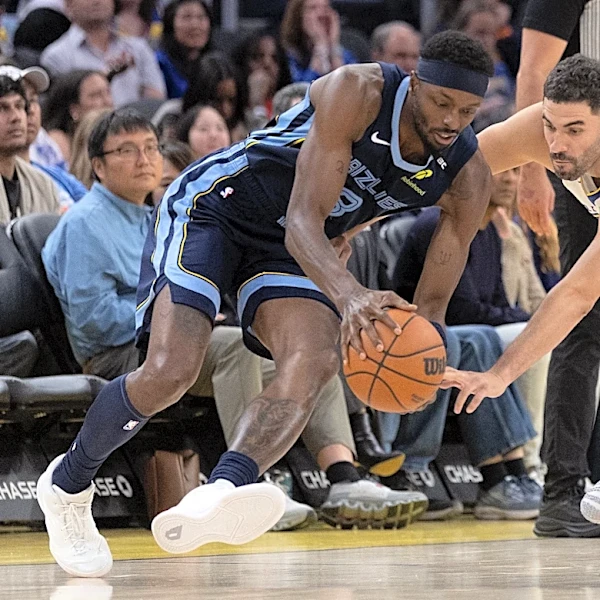

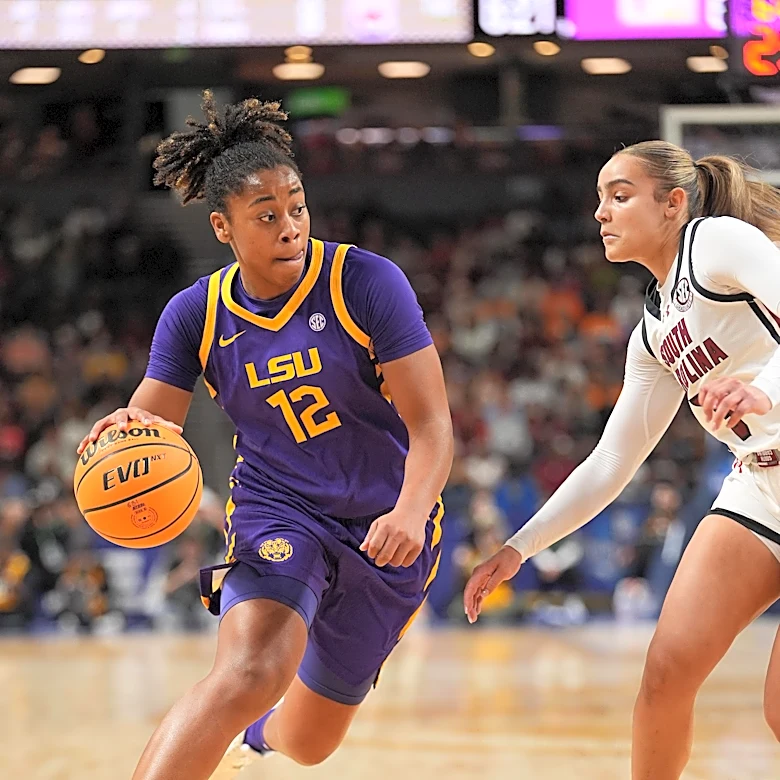



What 'Small Ball' Actually Means
First, let's clear up a misconception. 'Small ball' isn't just about putting shorter players on the floor. It's about prioritizing skill and versatility over traditional size. Instead of a lineup with rigid positions—a point guard, a shooting guard, a small
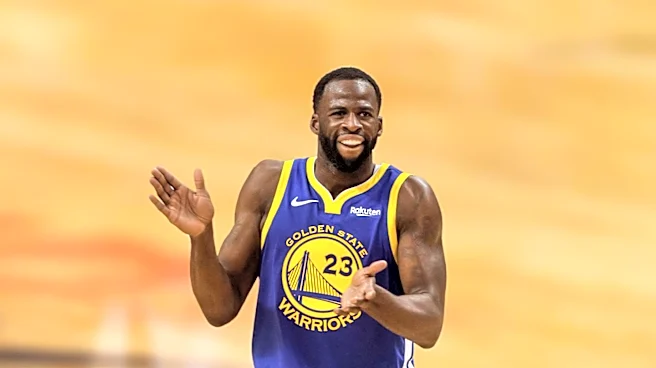
forward, a power forward, and a center—teams are deploying 'positionless' players. The goal is to get five players on the court who can all shoot, pass, and defend multiple spots. The classic example is replacing a traditional, lumbering center with a forward who can shoot from three-point range, handle the ball, and hold his own defensively. This philosophy, once an outlier, was famously perfected by the Golden State Warriors' 'Death Lineup,' which featured the 6'6" Draymond Green at center and won multiple championships. It's less about height and more about what a player can do.
The Offensive Mismatch Engine
The primary goal of a small lineup is to create offensive mismatches. The most common way this happens is through a pick-and-roll that forces the defense to switch assignments. When a guard uses a screen from a versatile forward, the opposing team's big man often has to switch onto the guard. Suddenly, a slower, 250-pound center is isolated on the perimeter against an explosive ball-handler. This creates a dilemma: if the big man gives the guard space to prevent a drive, the guard can pull up for an open three-pointer. If the big man plays up close, the guard can use his speed to drive past him to the basket. This action pulls the opponent's best rim protector away from the paint, opening up cutting lanes and creating chaos for the entire defense.
Five Shooters and The 'Pace and Space' Game
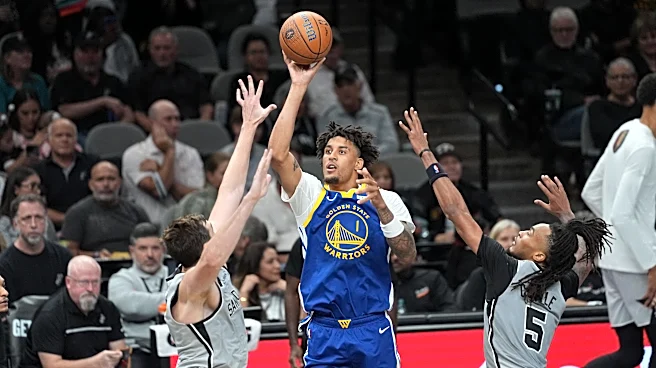
When all five players on the court are legitimate shooting threats, the floor becomes incredibly spread out—a concept known as 'spacing'. Defenses can no longer pack the paint to stop drives because they have to respect every player on the three-point line. This creates wide-open lanes for players to attack the rim. This style also fuels a faster tempo, or 'pace'. After securing a defensive rebound, a small lineup can get out and run in transition, often leading to easy layups or open threes before the opposing defense is set. It's a high-octane approach that puts constant pressure on opponents, forcing them to run and react for 48 minutes.
The Defensive Gamble and Its Demands
Of course, going small comes with significant risks. The most obvious disadvantages are in rebounding and post defense. A smaller lineup can get dominated on the glass, giving up crucial second-chance points. An opposing team with a traditional, skilled post-up big man can exploit the size mismatch on the other end, scoring easily over smaller defenders. To compensate, small-ball defenses must be aggressive and disciplined. The strategy relies on 'switching' screens, where defenders swap assignments seamlessly to avoid creating open looks. It requires players with quick hands to create turnovers and enough strength to hold their ground against bigger opponents. It’s a trade-off: you sacrifice brute force for speed and disruption.
The Counter-Attack: How Teams Fight Back
The rise of small ball has led to its own counter-evolution. Teams now fight back by 'going big' and deliberately punishing smaller lineups. The most direct approach is to feed a dominant post player and let them go to work against a smaller defender. Another strategy is to relentlessly crash the offensive boards, knowing you have a size advantage. Some teams have developed their own versatile big men—so-called 'unicorns'—who are large enough to dominate inside but also skilled enough to defend smaller players on the perimeter. This chess match between size and skill, power and speed, is the central strategic tension in today's NBA. Going small is no longer a niche tactic; it’s a fundamental part of the game that every team must either embrace or find a way to defeat.