





The Great Uphill Migration
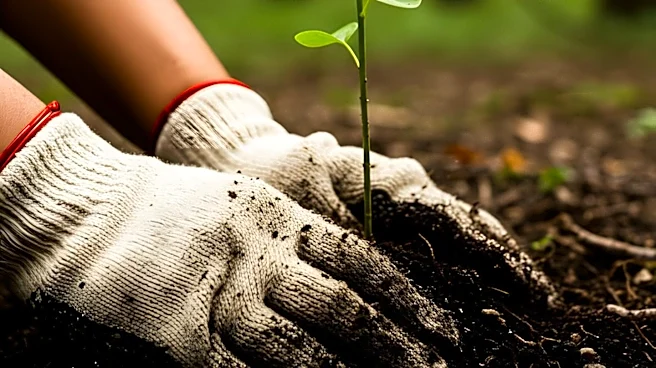
First, let's be clear: individual trees aren't pulling up their roots and walking. The 'movement' is a generational shift. As temperatures rise, the climate conditions a tree species is adapted to—its ideal 'comfort zone'—slowly shift to higher, cooler
elevations. A tree at the lower, hotter end of its range might struggle and produce fewer viable seeds. Meanwhile, seeds that land in a slightly higher, cooler spot than the previous generation have a better chance of sprouting and thriving. Over decades, the entire range of the species creeps uphill. This phenomenon, known as upslope migration, is being observed in mountain ranges across the globe, from the Rockies to the Andes.
Chasing a Cooler Climate
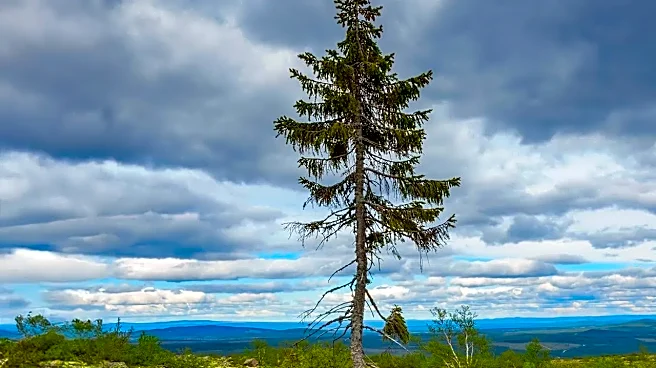
The primary driver behind this migration is climate change. As average temperatures increase, the environmental conditions that define different forest zones are being pushed up the mountain. The temperate hardwoods you might see at the base of a mountain are slowly being replaced by species from even lower, warmer elevations. Those hardwoods, in turn, are pushing into the territory of high-altitude conifers. It’s an ecological ripple effect driven by heat. For a tree, moving uphill just 550 feet can be the equivalent of shifting 90 miles north in flat terrain to find a similar climate. This makes mountains critical arenas for observing how nature is attempting to keep pace with a warming planet.
Not Everyone Can Make the Climb
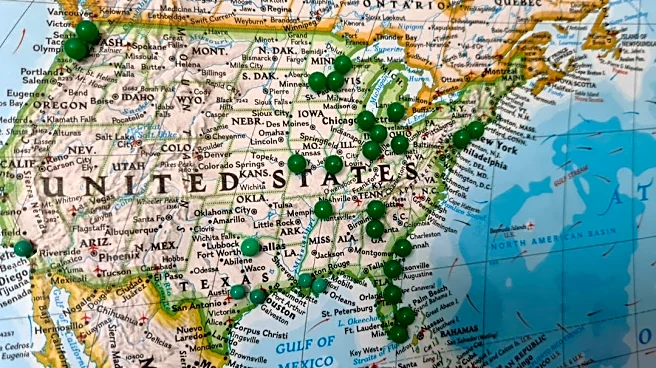
This uphill race isn't a simple process, and not every species is equipped for it. Success often depends on how a tree spreads its seeds. Trees with light, wind-carried seeds have an advantage. So do those whose seeds are transported by animals, like the Clark's Nutcracker, which can carry pine seeds thousands of feet uphill. Some trees are simply faster migrants than others. A recent study in the eastern U.S. found that, over 30 years, many hardwood species shifted west, while softwoods moved north. However, the story isn't always about moving up. Recent research has shown that some drought-resistant species are actually expanding downhill, into warmer and drier areas, while those sensitive to drought are the ones racing toward cooler, higher ground.
A Forest Running Out of Room
While this migration is a remarkable display of resilience, it comes with serious risks. As trees move higher, they are competing for progressively less space, as mountains naturally get smaller toward their summits. This can squeeze species into ever-shrinking habitats, increasing their risk of extinction. Furthermore, the migration is often not fast enough to keep pace with the rate of modern climate change. This mismatch can lead to 'range contraction', where a species dies back at its hotter, lower edge faster than it can establish itself at the cooler, upper edge. The result is a forest in flux, creating new combinations of species and changing ecosystems for the wildlife that depends on them.