







The New Rules of September
For generations of baseball fans, September meant chaos. Teams could call up their entire 40-man roster, leading to games with endless pitching changes and mismatched levels of talent. That all changed in 2020. Now, rosters expand by a modest two players,
from 26 to a mandatory 28. There's also a cap of 14 pitchers, up from 13 during the rest of the season. This change was designed to preserve the integrity of late-season games, ensuring teams in a pennant race weren't facing opponents using a completely different set of roster rules. The result is a system that still provides crucial flexibility but forces front offices to be far more deliberate and strategic with their choices. Every player added must already be on the 40-man roster, so the decisions made in August about who to protect often dictate the options available in September.
The Pennant Race Chess Match
For a team fighting for a playoff spot, those two extra players are invaluable chess pieces. The additional pitcher allows a manager to better manage a weary bullpen's workload over the season's final grueling month. An overworked relief corps can be the weak link that sinks a contender, and that 14th arm—even if just a low-leverage inning-eater—provides a crucial cushion. The extra position player offers a different kind of tactical advantage. A manager can deploy a defensive specialist late in a tight game, use a dedicated pinch-runner to steal a key base, or platoon hitters to exploit a matchup without completely emptying the bench for the later innings. In a one-run game in the final week of the season, these marginal gains can be the difference between making the postseason and going home.
An Audition for the Future
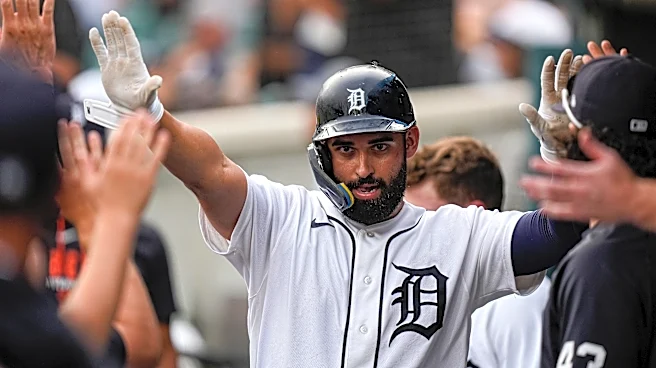
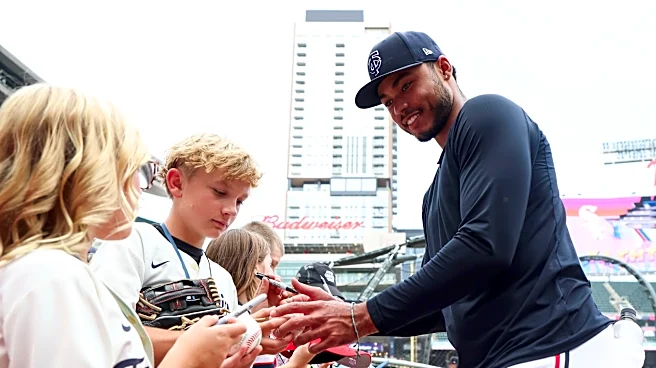
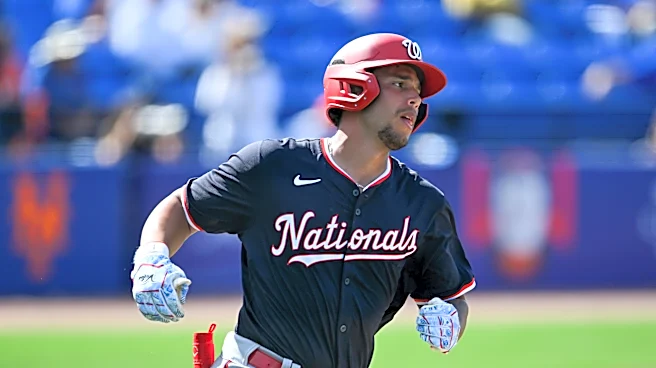
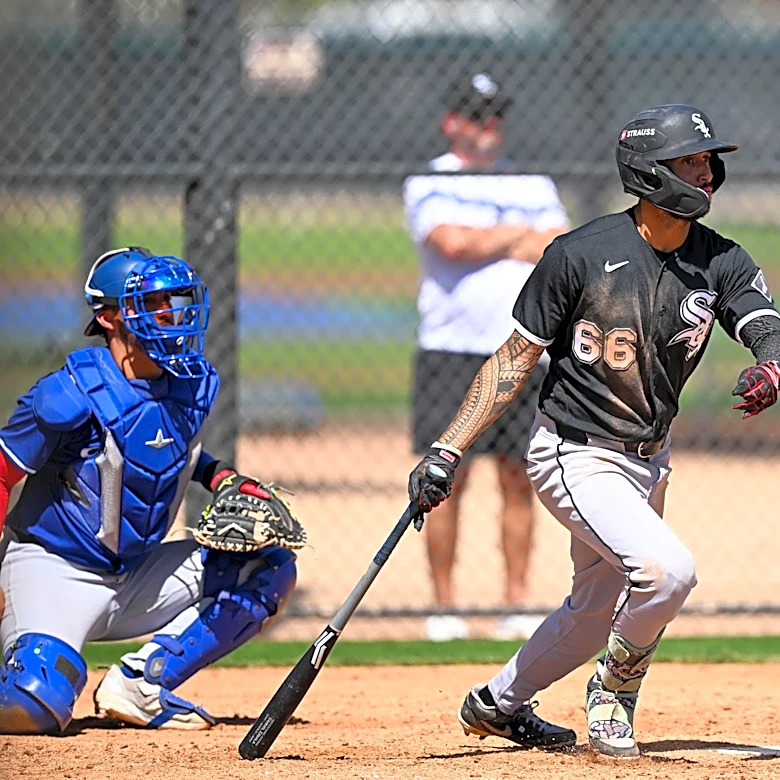
While contenders focus on the immediate prize, teams out of the playoff hunt use September as a real-world laboratory. Those extra roster spots become high-stakes auditions for prospects. It’s a chance for an organization’s top young talent to get their first taste of the big leagues, facing Major League pitching and pressure. The experience is invaluable for the player, and it gives the front office a real-world data point to inform decisions for the following season. Seeing how a prospect handles the environment can determine whether they break camp with the team next spring or need more seasoning in the minors. For fans of a rebuilding club, these September call-ups offer a tangible glimpse of the future and a reason to stay engaged when the standings no longer matter.
The Human Element
Beyond the strategy, a September call-up represents a life-changing moment. It's the culmination of a lifetime of work for players who have toiled for years in the minor leagues. For some, it's the start of a long and successful career; for others, it may be their only cup of coffee in the show. The new rules, which limit the number of call-ups, arguably make each spot even more meaningful. A player isn't just one of a dozen new faces in the clubhouse; they are one of two carefully selected reinforcements. This dynamic can also create tough front-office decisions, where service time considerations sometimes clash with a player's performance, potentially delaying a call-up to retain an extra year of team control down the line. These two spots are not just roster filler; they are dreams realized and careers defined.