



Falling in Love with Last Year's Numbers
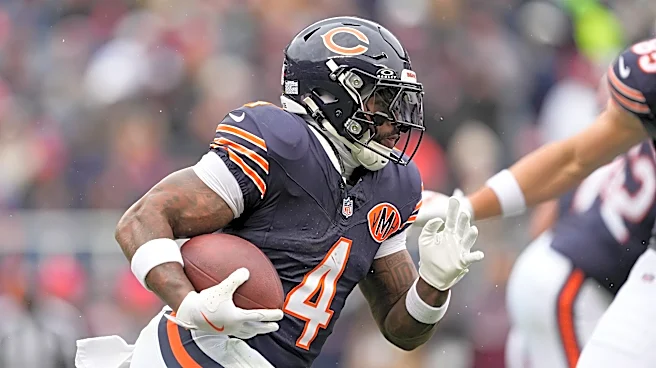
It's easy to look at last season's fantasy leaderboard and assume the top players will simply do it again. But football is a game of constant change. Players who had career-best seasons are often due for regression. For example, a running back coming
off an unexpectedly massive year might see his workload decrease or his efficiency return to normal levels. The wise manager drafts players based on their projected role and situation for the upcoming season, not just the stats they posted last year. Don't chase yesterday's points; project tomorrow's opportunities.
Ignoring Positional Tiers and Creating a Run
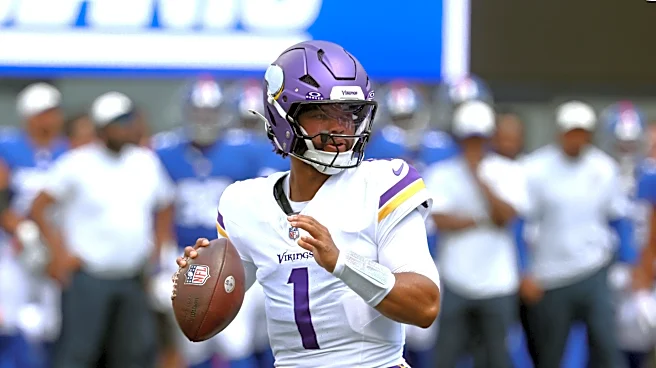
One of the quickest ways to derail your draft is to panic when a few players at the same position get selected consecutively. This is called a "run," and chasing it is a classic mistake. If three quarterbacks go off the board, your first instinct might be to grab one before they're all gone. But reaching for a QB you had ranked much lower is poor value. A better approach is understanding positional tiers. Group players of similar value together. When the last player in a tier is gone, you know there's a drop-off. If there are still five wide receivers left in the same tier, you can afford to wait a round and address another position, knowing you can still get a comparable talent later.
Drafting to Fill Your Starting Lineup First
Look at your draft screen. You've got a quarterback, two running backs, two receivers... but that tight end slot is empty. The temptation is to fill it immediately. Resist. Your goal in the draft isn't to fill your starting lineup as quickly as possible; it's to accumulate the most overall value. If the best player available is a third running back and the best tight end is a significant step down, take the running back. A deep bench and high-value flex players are what win championships. You can often find a serviceable tight end later, but you can't replace the value you lose by reaching for one in the middle rounds.
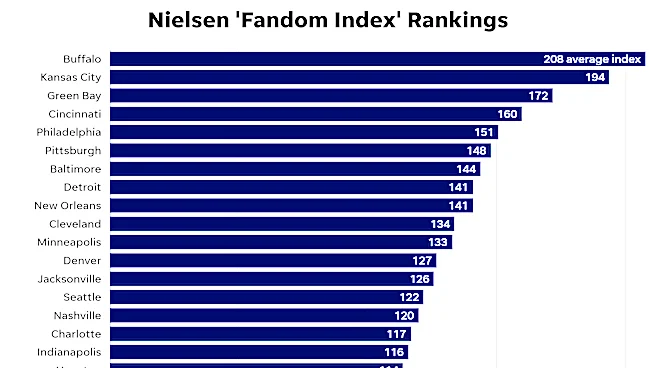
Letting Your Fandom Cloud Your Judgment
We all have our favorite teams and players. But your draft room is a place for cold, hard calculation. Reaching for a player from your favorite team two rounds ahead of his average draft position (ADP) because you want to root for him every Sunday is a recipe for disaster. This also applies to avoiding players from rival teams. A player's talent and opportunity are what matter, not the logo on their helmet. The goal is to build the best possible fantasy team, even if it means drafting a star from your team's most hated rival.
Showing Up Without a Flexible Plan
Walking into a draft without a plan is a mistake, but being too rigid with your plan is just as bad. You should absolutely do mock drafts to prepare for different scenarios and understand player ADPs. But what happens when the first eight picks are running backs, throwing your 'RB-heavy' strategy out the window? The best drafters are adaptable. They have a core strategy—maybe it's targeting elite wide receivers early or waiting on a quarterback—but they let the draft come to them. If your league mates are all taking quarterbacks early, don't follow them; capitalize on the value they're leaving behind at other positions.
Discounting Injury History Too Heavily
On the flip side of drafting injury-prone players is completely writing off anyone with a recent ailment. Every player carries injury risk. While you should be wary of players with chronic issues, don't automatically avoid a player who suffered a straightforward injury and is expected to be fully healthy. Often, a player's draft stock will fall due to a previous injury, creating a value opportunity. Monitor training camp reports and preseason action. If a talented player is a full participant and looking sharp, you could get a top-tier performer at a discounted price while others in your league are still scared off by last year's news.