







Embrace Your Own Bodyweight
You don’t need a rack of weights to build strength; you already own the perfect tool: your body. Bodyweight exercises are highly effective because they build functional strength, which mimics real-life movements. Think about it: a squat is the same motion
as getting up from a chair. Start with the basics. Modified push-ups against a wall or countertop build upper body strength without the strain of floor push-ups. Chair squats, where you lower yourself to a chair and stand back up, are a safe way to strengthen your legs, hips, and core. These movements are foundational, safe for your joints, and can be done almost anywhere, making them easy to incorporate into your daily routine.
Make Resistance Bands Your Best Friend
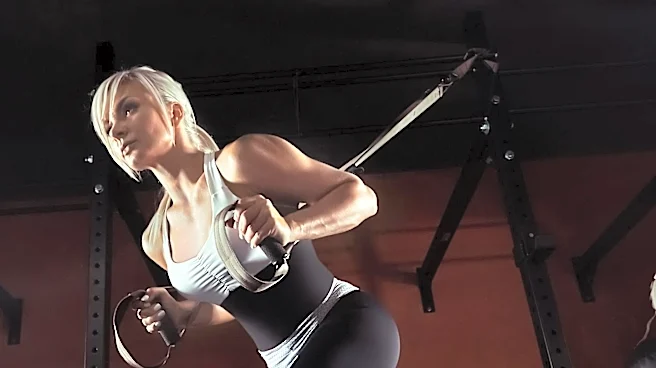
For a low-cost, portable, and surprisingly effective workout, look no further than resistance bands. These stretchy tools are gentle on the joints, making them ideal for older adults. They provide controlled tension that helps build muscle and improve flexibility without the risks associated with heavy weights. You can perform a wide range of exercises while seated or standing, targeting everything from your arms with bicep curls to your legs with seated leg presses. They also help engage smaller stabilizing muscles, which improves balance and can reduce the risk of falls. Just a few sessions a week can make a significant difference in preserving muscle mass and mobility.
Turn Everyday Activities into Exercise
Functional fitness is all about training your muscles for the tasks you perform every day. You can stay strong simply by being more intentional with your daily movements. Carrying groceries from the car? That's a 'farmer's walk,' an exercise that builds grip strength and core stability. Working in the garden—bending, digging, and lifting—is a full-body workout that engages multiple muscle groups. Instead of taking the elevator, opt for the stairs to strengthen your legs and improve cardiovascular health. By reframing chores and daily tasks as opportunities to move and build strength, you integrate fitness seamlessly into your life without ever stepping foot in a gym.
Walk with Purpose
Walking is one of the most underrated forms of exercise, but you can elevate it to boost its strength-building benefits. Instead of a leisurely stroll, try to walk with more intention. Incorporate hills or inclines into your route to challenge your leg muscles and glutes. Vary your pace, alternating between a moderate walk and a brisk power walk. You can also practice balance-enhancing walks, like the heel-to-toe walk, which strengthens the muscles that help prevent falls. Walking not only supports muscle and joint health but also improves your mood and cardiovascular fitness, making it a powerful, all-in-one activity.
Don’t Neglect Protein
Exercise is only half of the equation; nutrition, particularly protein intake, is critical for fighting age-related muscle loss, a condition known as sarcopenia. As we age, our bodies become less efficient at using protein to build and repair muscle, which means many older adults need to consume more of it. Experts often recommend aiming for about 1.0 to 1.2 grams of protein per kilogram of body weight for adults over 65. It’s also beneficial to spread your protein intake evenly throughout the day, including 25-30 grams with each meal. This ensures your muscles have a steady supply of the amino acids they need to stay strong. Sources like eggs, lean meats, fish, dairy, and beans are all excellent choices.
Focus on Balance and Flexibility
Strength isn't just about how much you can lift; it’s also about control, stability, and range of motion. Activities that improve balance and flexibility are crucial companions to strength training, as they help prevent the falls and injuries that can lead to a loss of independence. Simple exercises like standing on one leg (near a wall or chair for support) can dramatically improve your stability. Gentle stretching, yoga, or tai chi helps maintain joint health and flexibility, preventing stiffness and improving your posture. When your body is flexible and your balance is solid, your muscles can function more effectively and safely, creating a resilient foundation for overall strength.