



After the 2026 midterms, the story wasn't just about who won, but how. Democrats reversed years of decline with working-class voters, a demographic that had increasingly drifted away. So, what changed? It wasn't one single thing, but a deliberate, multi-pronged
strategy.
An Unrelenting Focus on the Economy
For years, a common critique was that Democrats were more interested in cultural debates than in voters' wallets. The 2026 cycle marked a decisive shift. Campaign messaging relentlessly hammered on 'kitchen-table' issues: the cost of living, creating good-paying jobs, and reining in corporate price gouging. Instead of getting bogged down in ideological arguments, successful candidates focused on practical, populist economic platforms. This included promoting historic investments in American manufacturing through legislation like the CHIPS and Science Act and the Bipartisan Infrastructure Law, which were framed as direct creators of well-paid jobs that don't require a college degree. The message was simple and repeated constantly: Democrats were the party fighting to lower costs and raise wages for working families. This resonated with voters who cited the economy as their top concern.
Recruiting Messengers Who Spoke the Language
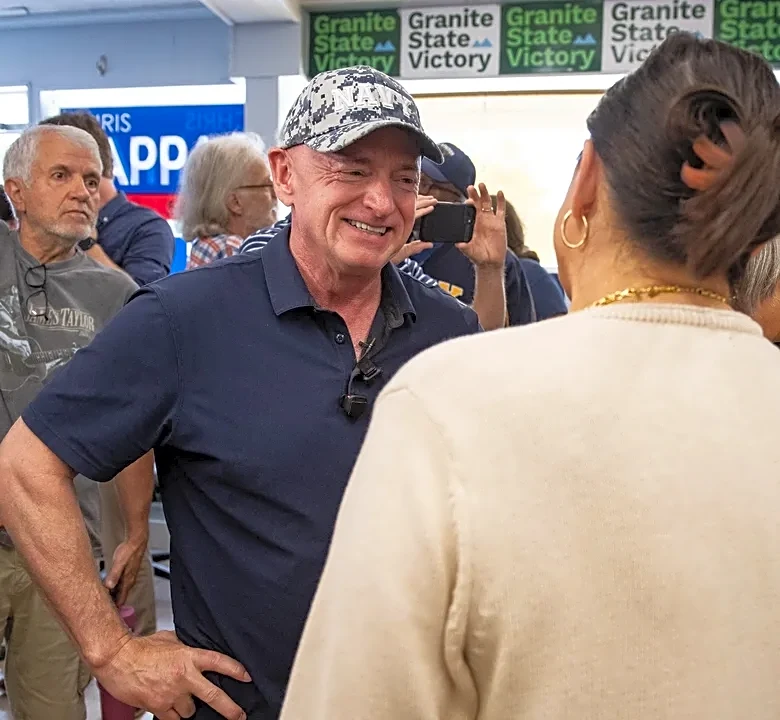
The Democratic party made a concerted effort to recruit candidates with authentic ties to working-class life. Recognizing that the messenger is as important as the message, the party elevated candidates who were veterans, healthcare workers, and local leaders with a history of public service. This was a direct response to the feeling that many voters couldn't relate to a party perceived as dominated by coastal elites. Reports from before the election highlighted a surge in nominees with union backgrounds, who brought a level of credibility that other candidates lacked. These candidates were found to use pro-worker language far more frequently and naturally, connecting with voters on a personal level. By fielding candidates who understood the daily struggles of working people, the party began to overcome the baggage of its national brand in many competitive districts.
Rebuilding the Partnership with Labor
While union support for Democrats had wavered in past cycles, 2026 saw a significant revitalization of this historic alliance. Public approval for labor unions had been sitting at its highest point in over 50 years, creating a massive opportunity. Democrats leaned into this, making support for worker organizing a core part of their platform. Policies that strengthened unions, increased wages for federal contractors, and protected pensions were central to the pitch. This wasn't just about securing endorsements; it was about leveraging labor's organizing power for canvassing and get-out-the-vote efforts. The trend was already building in 2024, when support from union households for the Democratic presidential candidate matched its 2020 levels, rebuffing Republican attempts to make further inroads. In 2026, this partnership was a critical component of the ground game.
A Shift Away From Cultural Divisiveness
Successful Democratic campaigns in 2026 learned to strike a critical balance: championing progressive economic policies while adopting a more moderate tone on sensitive cultural issues. In many battleground states, candidates who focused on practical problem solving rather than ideological purity found the most success. They directly addressed voter concerns about crime and border security with nuanced, pragmatic proposals instead of dismissing them. This approach helped neutralize Republican attacks that often painted Democrats as extreme. By proving they could be trusted stewards of the economy and public safety, Democrats gave swing voters in working class districts a reason to look past partisan labels and vote on their economic interests. The strategy was less about abandoning core values and more about prioritizing the issues that matter most to voters struggling to make ends meet.