







The High Cost of Sitting Still
Before diving into the solution, it’s important to understand the problem. The modern workday, for many, involves hours of uninterrupted sitting. Research has consistently linked this prolonged sedentary behavior to a host of health issues, including
a slower metabolism and negative effects on the body's ability to regulate blood sugar and blood pressure. Spending most of the day in a chair increases the risk of heart disease, type 2 diabetes, and other chronic conditions. The reality is that even a daily one-hour workout may not be enough to fully counteract the negative effects of sitting for the other 23 hours of the day. This is where the concept of small, consistent movement breaks comes into play, offering a way to disrupt sedentary time and wake your body up throughout the day.
How 'Movement Snacks' Work
Think of movement breaks as 'exercise snacks'—short, intentional bursts of physical activity lasting anywhere from one to five minutes. The goal isn't to get drenched in sweat, but to simply interrupt long periods of sitting. Research shows that this strategy has surprisingly powerful physiological effects. Just two minutes of light walking every 20 to 30 minutes can significantly reduce post-meal blood glucose and insulin spikes compared to sitting still. When you move, your muscles act like sponges, soaking up glucose from the bloodstream for fuel. This simple action improves your metabolic health, enhances circulation, and over time, can improve cardiorespiratory fitness.
A Boost for Your Brain, Not Just Your Body
The benefits of these micro-breaks extend beyond the physical. Movement is a well-known mood booster, triggering the release of endorphins, your body's natural 'feel-good' chemicals. Taking a few minutes to walk, stretch, or do some squats can help ease tension and reduce work-related stress. Furthermore, these breaks can sharpen your mind. Studies have shown that short bouts of activity improve focus, alertness, and working memory. Instead of causing a distraction, movement breaks can actually enhance productivity by reducing mental fatigue and helping your brain work more efficiently. Some research even links regular, brief activity to better cognitive function and a lower risk of dementia in older adults.
Your Guide to Easy Micro-Movements
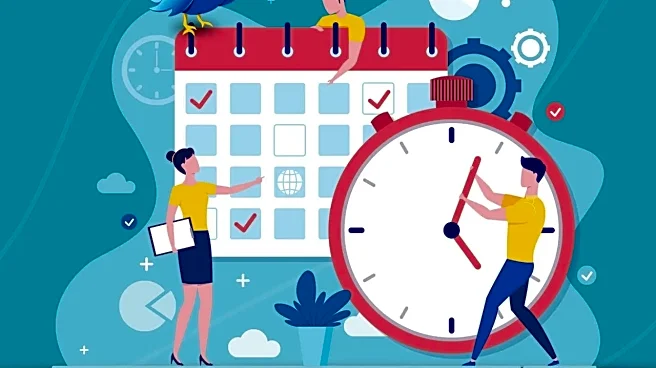
Incorporating movement snacks doesn't require a gym membership or special equipment. The key is to make it easy and consistent. The ideal frequency is a brief one-to-two-minute break every 30 to 60 minutes. You can set a simple reminder on your phone or computer to stand up. Try 'habit stacking' by linking a movement to an existing routine, like doing five squats before you sit down for lunch or stretching after every phone call.Here are some simple ideas to get you started:- Take the stairs: It’s a classic for a reason. Taking the stairs provides a quick cardio burst.- Try walking meetings: If you have a one-on-one call, pace around your office or home.- Use your chair: Perform 5-10 'sit-to-stands' by rising from your chair without using your hands.- Do a lap: Walk to a farther printer or restroom, or simply take a quick walk around the office or your block.- Stretch at your desk: Roll your shoulders, stretch your arms overhead, or do gentle torso twists.