


A Statement of Intent
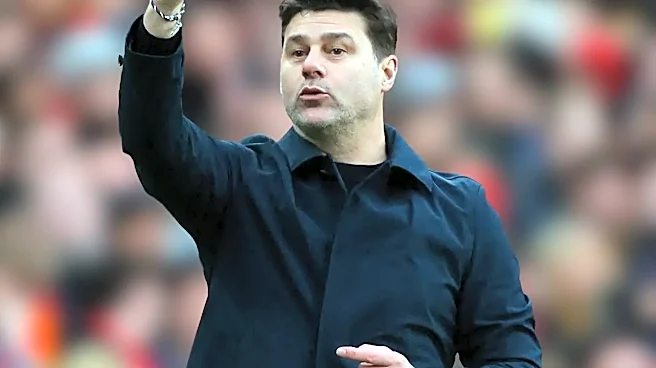
Let’s call this what it is: a massive statement. By locking down a manager of Mauricio Pochettino’s caliber for another four years, U.S. Soccer is signaling that it’s done with half-measures. Hired in September 2024, the former Tottenham, PSG, and Chelsea
boss brought a level of European prestige never before seen in the USMNT dugout. The mission was clear: get the team ready for a home World Cup. The result was a record-setting performance, including the program's first knockout stage win since 2002. After years of a coaching carousel and questions about the program's direction, re-signing the man who delivered that success feels like a logical, decisive step. It provides stability and satisfies a vocal portion of the fanbase that has long clamored for a globally respected tactician to lead the charge.
The World Cup Reality Check
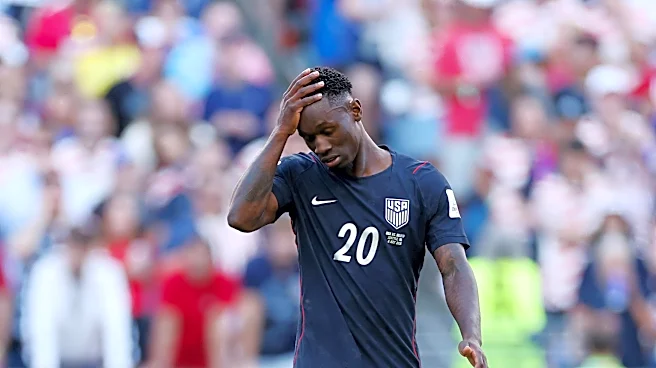
The 2026 run was historic, but it ended with a thud. A 4-1 thrashing by Belgium in the Round of 16 was a sobering reminder of the gap that still exists between the U.S. and the world's elite. While Pochettino guided the team to a group-stage victory and a win over Bosnia and Herzegovina, the Belgian collapse put the entire tournament in perspective. Some fans point to a team that still looked tactically rigid at times, struggling to create dynamic offense against top-tier opponents. The debate heading into the contract renewal was whether the overall progress—a new record for wins in a single World Cup—outweighed the stinging nature of the final defeat. Giving Pochettino a long-term deal is a bet that he can close that gap, but the evidence from the tournament itself is that the hardest steps are yet to come.
Is He the Right Fit for the Future?
Pochettino's track record is built on developing world-class talent and implementing a high-press, high-energy system. Players have praised the South American spirit and clear identity he's brought to the team. The question is whether his style is the perfect long-term match for the American player pool. For the next four years, his success will depend not just on tactics, but on his ability to integrate the next wave of young American talent and evolve the team's identity. The new contract also expands his role, asking him to advise on everything from youth development to coaching education across the country. This makes him more than just a head coach; he's now a central architect of American soccer's future. It's an immense responsibility and a gamble that his philosophy can permeate a complex and often fragmented U.S. Soccer system.
The Verdict: A Necessary Gamble
So, is the USMNT headed in the right direction? For now, the answer is a qualified yes. Re-signing Pochettino was the ambitious, grown-up move. It provides desperately needed stability after a chaotic few years and keeps a world-class manager committed to the project. However, a big-name contract is not a magic bullet. The federation can't simply hand Pochettino the keys and expect a 2030 semifinal appearance. The progress shown in the 2026 World Cup was real, but so was the brutal lesson taught by Belgium. This decision buys U.S. Soccer four years of credibility and a clear plan. Now, the hard work begins. The direction is set, but the journey to becoming a true global contender requires more than just the right man on the sideline; it requires a total organizational commitment to matching his ambition.