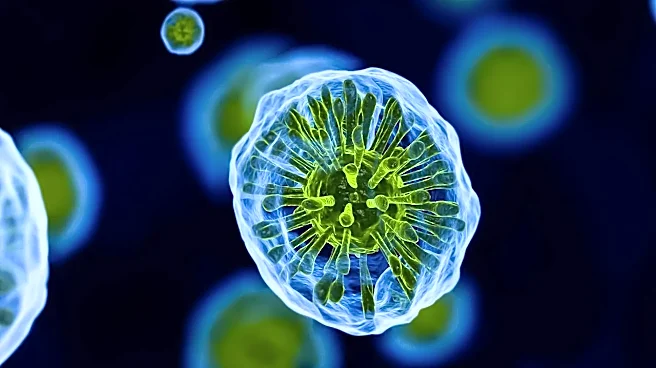







Think of your gut as a bustling city of trillions of microorganisms that works as a hidden partner in your health. This complex community, your microbiome, isn't static; it evolves dramatically throughout your life, shaping more than just digestion.
The Foundation: Infancy and Childhood
Our
microbial story begins at birth. The way we enter the world—either vaginally or via C-section—provides our first dose of bacteria. This initial community is shaped further by what we eat, with breastfed infants typically developing guts rich in beneficial Bifidobacterium. For the first few years of life, the microbiome is a construction site, rapidly assembling and diversifying. By around age three to five, it begins to resemble an adult's, but the development doesn't stop there. The introduction of solid foods, hormonal shifts during puberty, and environmental exposures all continue to mold this ecosystem through childhood and adolescence, establishing the foundation for lifelong health by influencing our immune system and metabolism.
The Stable State: Adulthood
By the time we reach adulthood, our gut microbiome has settled into a relatively stable and resilient state. Think of it as a mature, functioning city. The dominant bacterial residents, primarily from the Firmicutes and Bacteroidetes phyla, are established and work to regulate everything from nutrient absorption to immune function. However, 'stable' doesn't mean unchanging. This ecosystem is dynamic and can be significantly swayed by diet, lifestyle, stress levels, and especially medications like antibiotics. An adult gut is generally robust, able to bounce back from minor disturbances. But prolonged periods of poor diet or high stress can begin to chip away at its diversity, setting the stage for changes to come later in life.
The Big Shift: Older Adulthood
After age 65, the gut microbiome often undergoes its most significant transformation since infancy. A key change is a general decline in microbial diversity. The community can become less stable, with a decrease in beneficial microbes, like certain butyrate-producers that help maintain the gut lining, and an increase in pro-inflammatory bacteria. This shift isn't just random; it's driven by a collection of age-related factors. Changes in diet, reduced mobility, a natural slowing of the digestive process, and increased medication use all create a different environment for gut bacteria to live in. This altered ecosystem is linked to 'inflammaging', a state of chronic, low-grade inflammation that contributes to many age-related health issues, from frailty to cognitive changes.
Can You Influence Your Gut's Destiny?
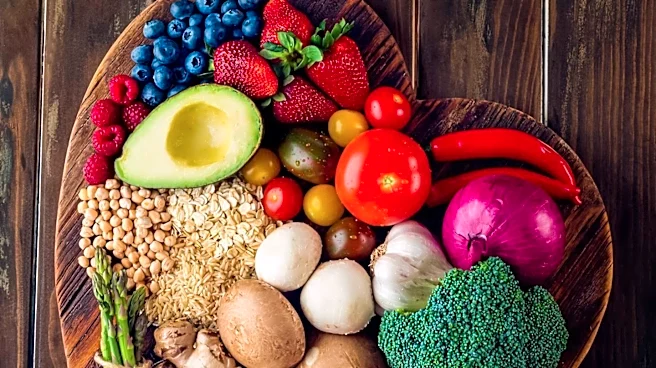
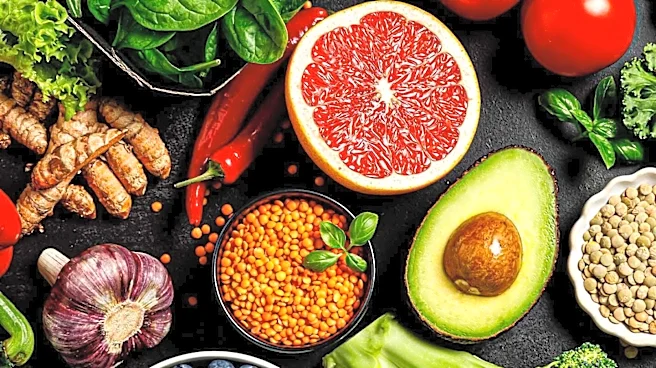
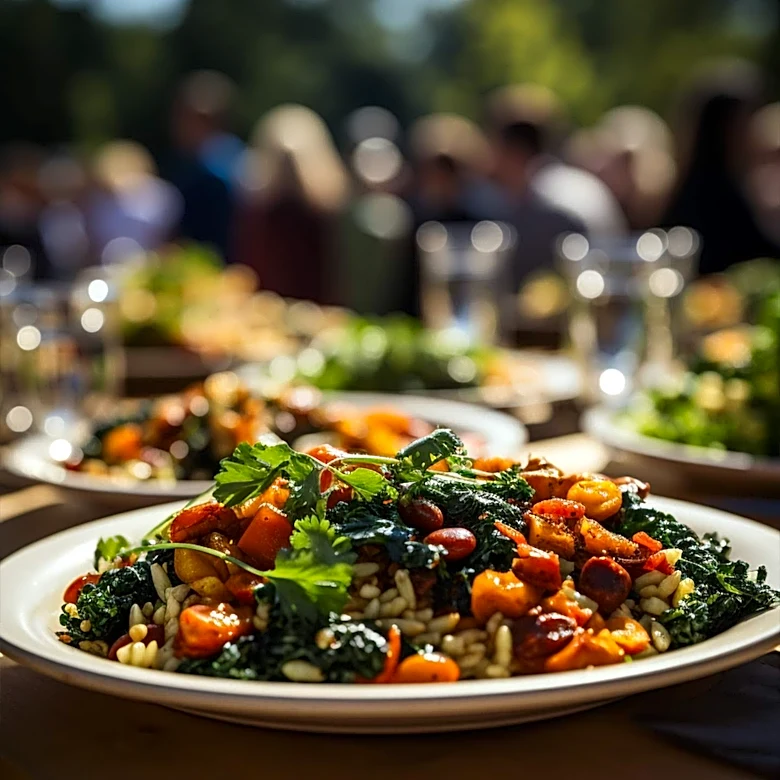
While some age - related changes are inevitable , your gut 's journey isn 't entirely out of your hands . Research increasingly shows that lifestyle choices can powerfully support a healthier , more 'youthful ' microbiome into older age . Diet is the primary lever you can pull . A diet rich in diverse plant fibers from fruits , vegetables , whole grains , and legumes acts as fuel for beneficial bacteria . These are known as prebiotics . Incorporating fermented foods like yogurt , kefir , and kimchi can introduce probiotics , or 'good ' bacteria , directly into your system . Beyond diet , regular physical activity , managing stress , and getting enough sleep are all proven to support a more resilient gut . It 's never too late to make changes that encourage a healthier microbial community , which in turn supports a healthier you .