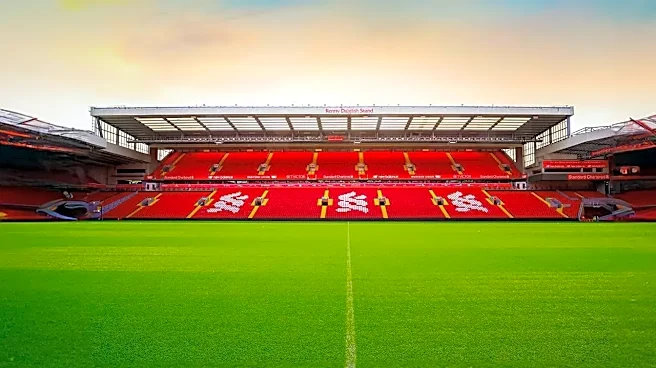








It's more than just a stadium; it’s a psychological weapon. Opposing managers and legendary players have called Anfield a place where logic breaks down, where the noise makes you feel small, and where historic comebacks feel inevitable. So what makes it so
formidable?
The Wall of Sound and Song
Before a single ball is kicked, visiting teams face “You’ll Never Walk Alone.” More than a song, it’s a declaration of unity and strength, an emotional anthem that sets a powerful tone. Then there's the architecture. Anfield’s stands are famously close to the pitch with steep gradients, which traps and amplifies the noise. This creates a cauldron of sound that can disrupt player communication and, according to some studies, even subconsciously influence refereeing decisions. The most famous of these stands is the single-tier Spion Kop, the spiritual home of the club's most vocal supporters. The sheer volume from the Kop, especially when Liverpool attacks that end in the second half, can feel like a physical force pushing the team forward.
A History That Haunts Opponents
You can’t separate Anfield from its history. The legendary manager Bill Shankly set the tone, and his successors built a dynasty in the 1970s and 80s that established the ground as a European fortress. In the tunnel, players walk past a simple sign that reads, “This is Anfield.” Manchester City manager Pep Guardiola once said the sign is “no marketing spin,” but a warning of what's to come. Opposing players are acutely aware of the ghosts of Anfield's past; they know this is the ground where seemingly impossible comebacks are staged. This history creates a self-fulfilling prophecy where Liverpool players feel anything is possible, while visitors carry the weight of that folklore onto the pitch.
The Famous European Nights
The legend of Anfield is cemented by its European nights. Under the floodlights, the atmosphere transforms into something almost mythical. These are the games that define the stadium's reputation, from the original comeback against Saint-Étienne in 1977 to the incredible victory over Olympiacos in 2004. Perhaps the most famous modern example is the 2019 Champions League semi-final against Barcelona. Trailing 3-0 from the first leg, Liverpool won 4-0 in a performance fueled by the crowd’s raw belief. Pep Guardiola noted how after one goal, it can feel like four more are coming in the next five minutes. This history of turning around desperate situations makes both the home fans and players believe until the very last whistle.
A Style of Play That Feeds the Fire
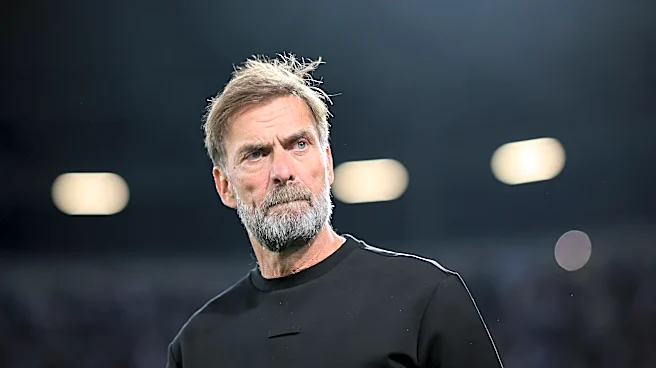
The intimidation factor is amplified by a symbiotic relationship between the team's tactics and the fans' energy. Under managers like Jürgen Klopp, Liverpool perfected a high-intensity, pressing style of soccer—often called 'heavy metal football'—that thrives on the chaotic energy from the stands. When the team presses aggressively and wins the ball back, the crowd roars its approval. That roar, in turn, gives the players another surge of adrenaline to continue pressing. It becomes a virtuous cycle of aggression and noise that can completely overwhelm opponents, making them feel like, as Guardiola described, “the rival players seem to be all over you.” This fusion of tactical identity and fan passion turns the crowd into a genuine twelfth man.