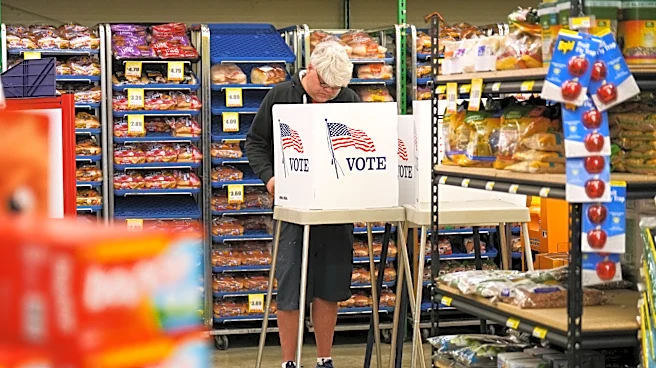








The 2024 election suggested Republicans were finally cracking the code with young voters. But just two years later, a seismic shift in the 2026 midterms saw that support collapse, raising urgent questions about the GOP's future.
A Generational Rebuke in the Numbers
The story of the 2026 midterm
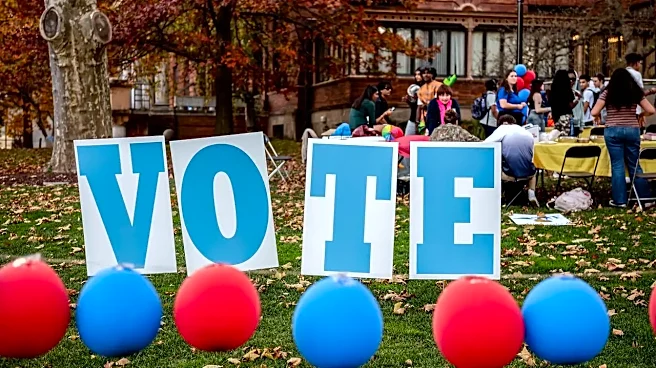
elections is a story of demographic reversals, and none was more dramatic than the swing among voters under 30. After making surprising inroads with this group in 2024, Republicans saw their gains evaporate. National exit polls show a stunning turnaround: Democrats won the 18-29 age group by a staggering 35-point margin, with 66% voting for Democratic House candidates compared to just 31% for Republicans. This represents a massive swing back to the left from 2024, when the margin was much narrower. Some analyses show the shift was particularly pronounced among young men, who had favored Donald Trump in 2024 but swung heavily back toward Democrats this cycle. This wasn't just a slight course correction; it was a powerful rebuke that helped Democrats secure victories in key races across the country.
It's Still the Economy, Stupid
So what fueled this massive shift? Overwhelmingly, the answer is the economy. Pre-election polling from Harvard's Institute of Politics showed that the cost of living was the number one issue for young voters. Post-election analysis confirmed it. According to researchers at Tufts University's CIRCLE, 52% of young voters cited 'the economy and jobs' as a top-three issue. Many young Americans feel they are falling behind economically, struggling with the costs of housing, groceries, and student debt. Crucially, a majority appeared to blame Republican leadership for their economic hardship. This financial anxiety created a powerful incentive to vote for change. Young voters who said they were 'falling behind' economically were the most likely to vote for a Democratic candidate.
A Referendum on Trump
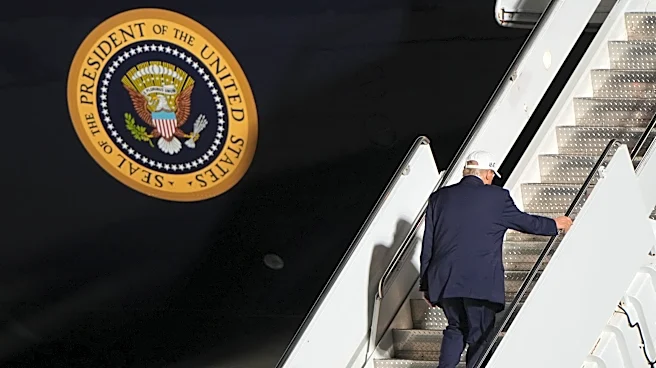
While President Trump was not on the ballot, his presence loomed large over the midterms. For many young people, their vote was a direct expression of opposition to him and his policies. The AP Voter Poll found that about six in ten voters under 30 cast their ballot to oppose Trump. This anti-Trump sentiment was a significant driver, especially compared to older age groups. The feeling among many young people was one of betrayal by politicians who failed to deliver on promises to lower costs or improve their quality of life. This dissatisfaction created a political opening that Democrats successfully exploited, framing the election as a chance to put a check on the presidency.
Can the GOP Rebuild the Bridge?
The 2026 results present a stark demographic challenge for the Republican party. The old assumption that voters naturally become more conservative as they age is breaking down in an era where traditional milestones like homeownership feel out of reach for many. The GOP's struggles were not just with young women and voters of color, who have long favored Democrats, but also with the very groups they had started to win over, like young men and white youth without college degrees. The core issues driving young voters—economic opportunity, healthcare costs, and climate change—are areas where the Republican message is failing to connect. Experts caution that Gen Z is not a monolith permanently loyal to either party. They are described as 'available' and not 'transactional,' rewarding candidates who they feel genuinely see and hear their concerns. For Republicans, the path back to relevance with America's youngest voters requires more than just new talking points; it demands a fundamental rethinking of their platform and outreach.