




What 'Severe' Actually Means
Not all thunderstorms are created equal. While any storm produces dangerous lightning, the National Weather Service (NWS) uses specific criteria to elevate a storm to “severe.” A thunderstorm warning is issued only when a storm is observed or indicated
by radar to be producing, or will soon produce, wind gusts of at least 58 miles per hour and/or hail at least one inch in diameter (the size of a quarter). These aren't just arbitrary numbers; they are the thresholds at which significant property damage begins to occur. In 2021, the NWS even introduced new damage-threat tags—considerable (70+ mph winds, golf ball-sized hail) and destructive (80+ mph winds, baseball-sized hail)—to better communicate the level of danger.
Watch vs. Warning: A Critical Difference
Understanding the difference between a “watch” and a “warning” is crucial for your safety. A Severe Thunderstorm Watch means conditions are favorable for severe storms to develop in and near the watch area. It’s a heads-up to be prepared and stay informed. A Severe Thunderstorm Warning, however, means take action now. It signifies that a severe storm has been spotted by trained observers or indicated on radar, posing an imminent threat to life and property in a specific, smaller area. Ignoring a warning is like ignoring a fire alarm that’s already going off.
Destructive Straight-Line Winds
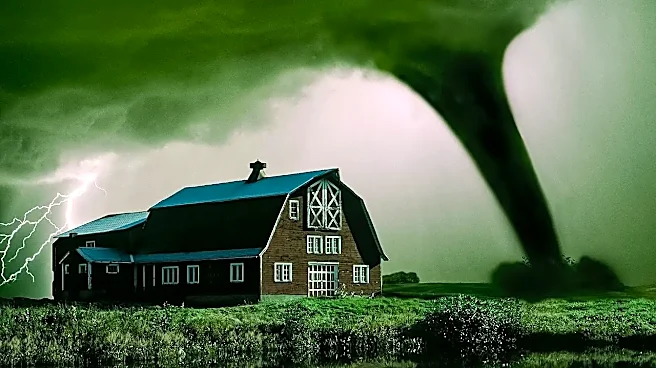
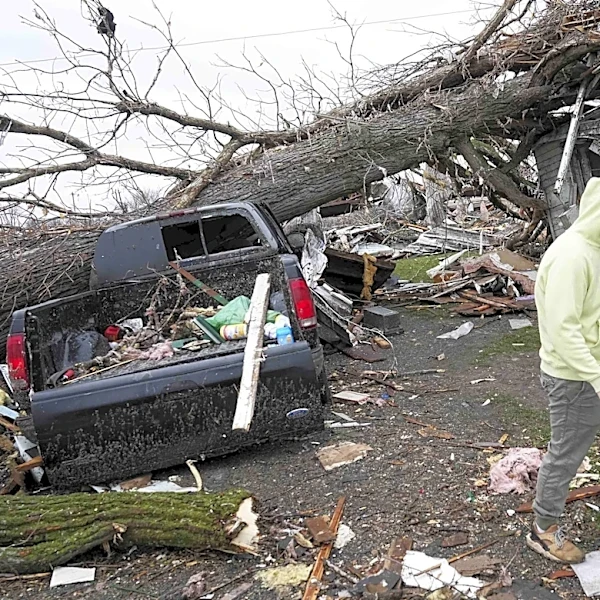
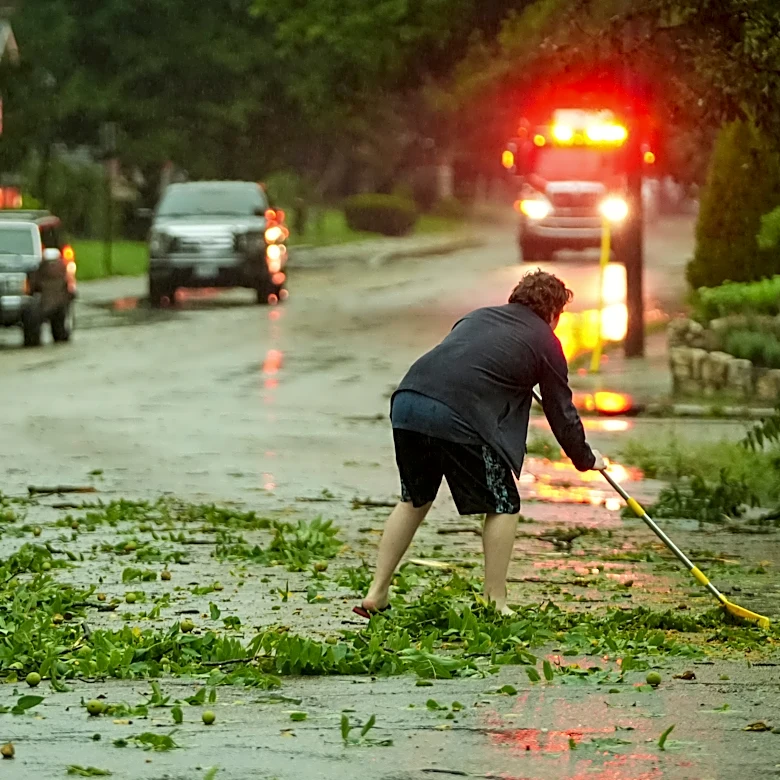
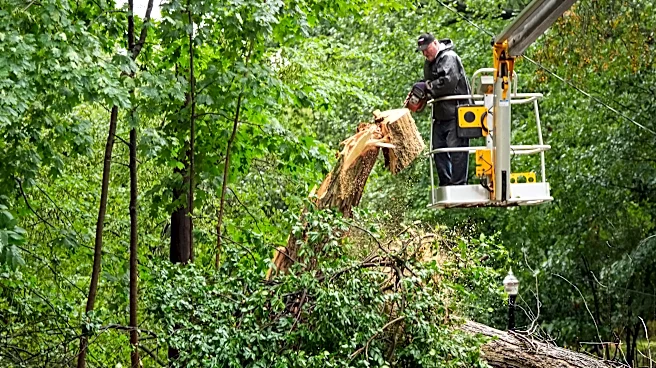
Many people associate destructive storm winds exclusively with tornadoes, but straight-line winds from a thunderstorm’s downdraft are far more common and can be just as deadly. These winds can exceed 100 mph—equivalent to a Category 2 hurricane—and are responsible for the majority of thunderstorm wind damage. Unlike the twisting damage of a tornado, straight-line winds push everything in one direction, capable of snapping trees, downing power lines, and causing significant structural damage to buildings and mobile homes. Some intense, organized lines of storms, known as derechos, can produce swaths of damage extending for hundreds of miles.
The Threat of Large Hail
Hail is more than a minor annoyance; it’s a billion-dollar hazard. Stones an inch in diameter can dent cars and damage roofs. As they grow larger—to the size of golf balls (1.75 inches) or baseballs (2.75 inches)—they become projectiles capable of shattering windows, punching holes through roofs, and causing serious or even fatal injuries. Large hail can fall at speeds exceeding 100 mph, posing a significant threat to anyone caught outdoors, as well as to livestock and crops. If a warning mentions large hail, seeking sturdy shelter immediately is non-negotiable.
The Overlooked Dangers
Beyond wind and hail, severe thunderstorms carry two other major threats. Every thunderstorm produces lightning, which kills dozens of people in the U.S. each year. The rule is simple: if you can hear thunder, you are close enough to be struck. Secondly, the intense rainfall associated with these storms can lead to flash flooding, which is the number one killer among thunderstorm-related hazards, responsible for more fatalities annually than tornadoes or lightning. Never attempt to drive through flooded roadways, as most flash flood deaths occur in vehicles.