






The Hottest Day: 134°F in Death Valley
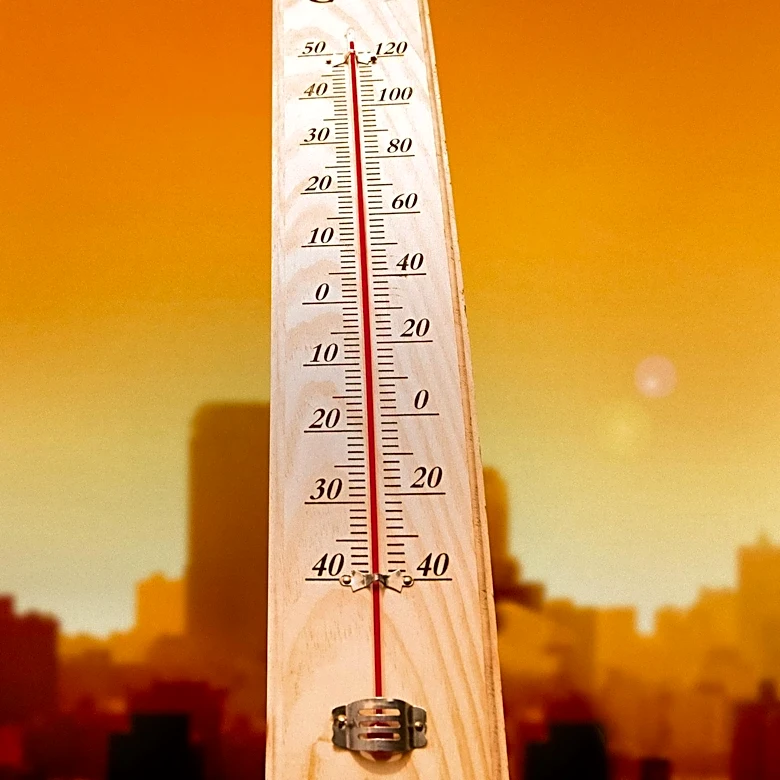
On July 10, 1913, in the aptly named Death Valley, California, a weather station at Furnace Creek recorded a blistering temperature of 134°F (56.7°C). This remains the highest air temperature ever officially recognized by the World Meteorological Organization
(WMO). For decades, a record from Libya stood, but it was decertified in 2012 after an investigation found issues with the measurement. While some meteorologists have questioned the 1913 reading, it has withstood multiple reviews and remains the official benchmark for terrestrial heat. It was part of a brutal heatwave where five consecutive days topped 129°F, a period when, according to one observer, swallows fell dead from the sky.
The Coldest Day: -128.6°F in Antarctica
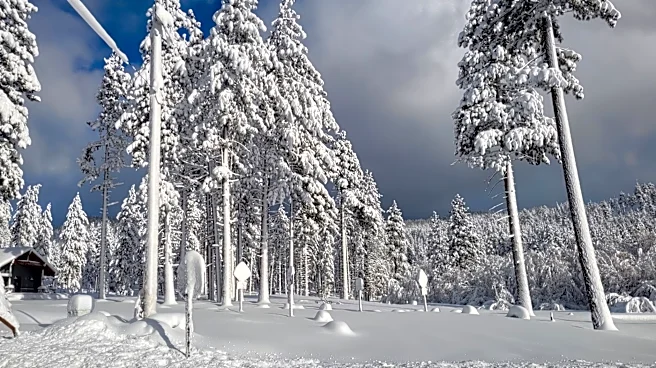
At the other end of the spectrum is the absolute coldest temperature ever measured at ground level: a staggering -128.6°F (-89.2°C). This record was set on July 21, 1983, at the Soviet Vostok Station, a research outpost high on the Antarctic Plateau. This kind of cold is hard to comprehend; it's more than 30 degrees colder than the point where carbon dioxide freezes into dry ice. The record was the result of a perfect storm of conditions: the station's high elevation (over 11,000 feet), clear skies, calm air, and the prolonged darkness of the polar winter, which prevented any solar radiation from warming the surface. While satellites have detected even colder temperatures on the ice surface, the Vostok reading is the official record for air temperature.
The Highest Wind Speed: 253 mph in a Cyclone
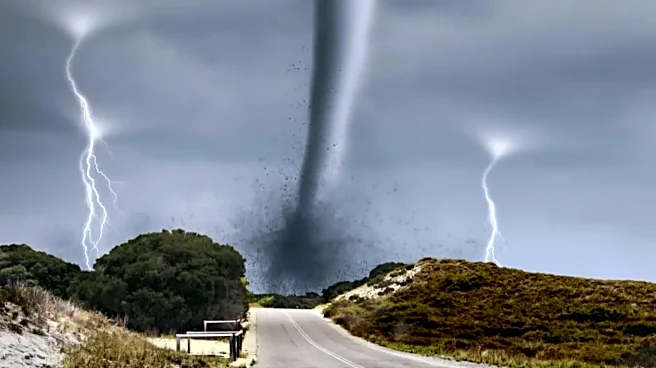
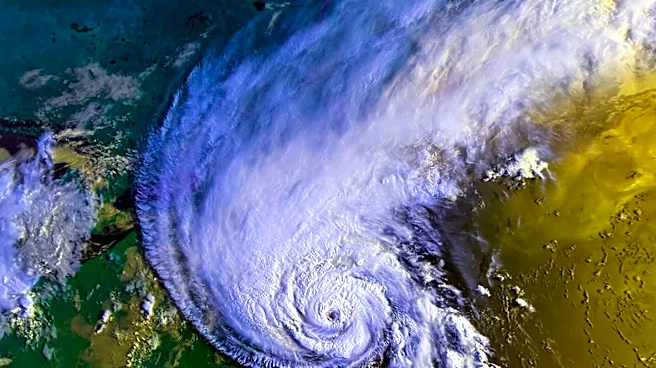
The fastest wind speed ever recorded on Earth's surface (not associated with a tornado) was a stunning 253 mph (408 km/h). This incredible gust was generated by Tropical Cyclone Olivia as it passed over Barrow Island, Australia, on April 10, 1996. The reading was captured by a private, automatic weather station and was so high that it was initially met with skepticism. However, after a thorough review, the WMO certified it as the world record, shattering the previous record of 231 mph set on Mount Washington in the U.S. in 1934. Despite the record-breaking gust, Cyclone Olivia was rated a Category 4 storm, a reminder that peak gusts can far exceed a storm's sustained wind speeds.
The Largest Hailstone: The Size of a Volleyball
On July 23, 2010, a massive supercell thunderstorm over Vivian, South Dakota, dropped a piece of ice that redefined the scale of hail. The largest stone recovered measured 8 inches in diameter, had a circumference of 18.625 inches, and weighed a jaw-dropping 1.94 pounds. That’s larger and heavier than a volleyball. To form something this monstrous, a storm needs an incredibly powerful updraft—estimated to be over 100 mph—to keep the nascent hailstone suspended in the air, allowing it to collect layers of ice on multiple trips through the storm cloud. The Vivian stone shattered the previous U.S. records for both diameter and weight.
The Deadliest Storm: The 1970 Bhola Cyclone
The deadliest tropical cyclone in recorded history wasn't the strongest, but its timing and location created a catastrophe of unimaginable scale. On November 12, 1970, the Bhola Cyclone made landfall in what is now Bangladesh. The storm's surge, estimated at up to 33 feet, inundated the low-lying, densely populated coastal plains. The exact death toll will never be known, but estimates range from 300,000 to 500,000 people, making it one of the worst natural disasters of the 20th century. The event highlighted the extreme vulnerability of the region and led to significant changes in storm warning and evacuation procedures.
The Most Intense Rainfall: Nearly Six Feet in 24 Hours
The world record for the most rain in a single 24-hour period belongs to Réunion, a volcanic island in the Indian Ocean. From January 7 to 8, 1966, as Tropical Cyclone Denise moved over the island, a weather station at Foc-Foc recorded 71.8 inches (1,825 mm) of rain. That’s nearly six feet of water. This biblical deluge was the result of a slow-moving tropical cyclone interacting with the island's steep and rugged terrain, which forced the moisture-laden air to rise rapidly, dramatically amplifying the rainfall. The unique geography of Réunion makes it a hotspot for rainfall records; it also holds the world records for 12-hour, 72-hour, and 96-hour rainfall totals.