

The Tale of the Tape
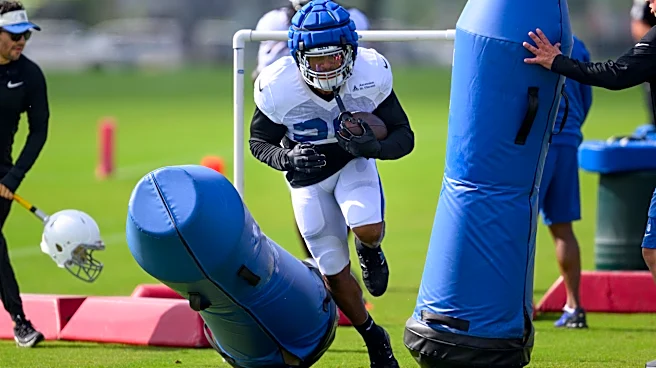
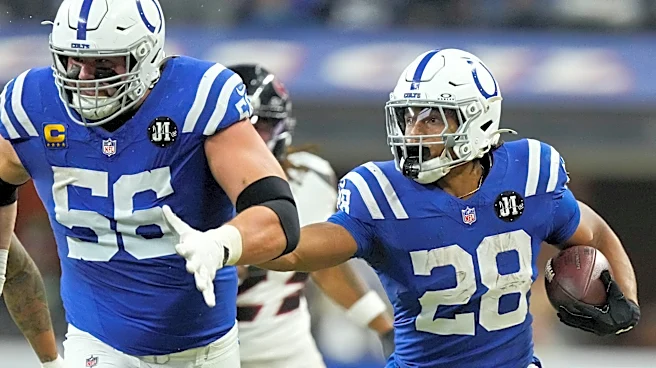
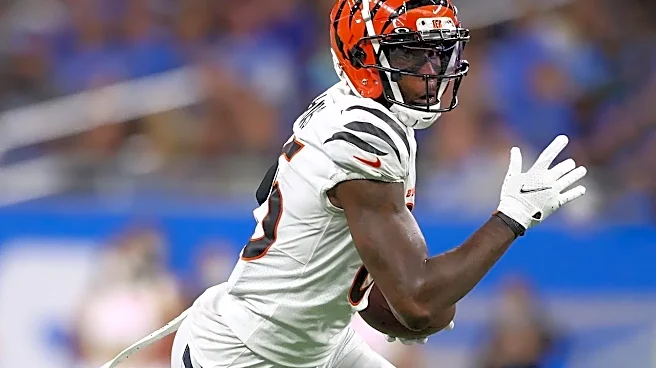
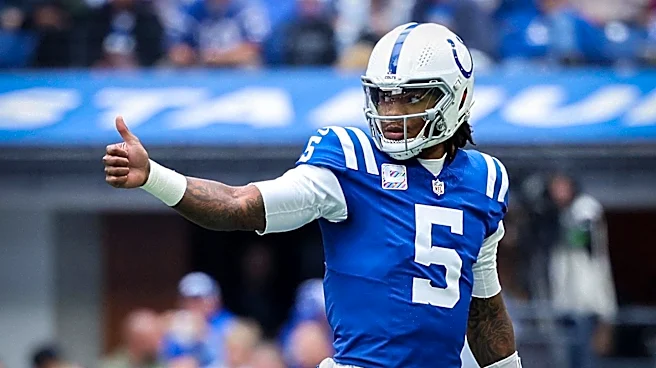
To understand the gap, just look at the numbers from this August. Jonathan Taylor, a three-time Pro Bowler and former rushing champion, signed a two-year extension with the Colts worth $44 million, averaging $22 million annually. Just days earlier, Ravens
receiver Zay Flowers inked a four-year, $140 million extension, averaging a staggering $35 million per year. Both are elite players at their positions, yet one is compensated on a completely different tier. This isn't an anomaly; it's the new normal in the NFL, where top receivers are now routinely earning 50-100% more than their running back counterparts. The top of the wide receiver market has exploded past $40 million annually, while the running back market has only recently seen a handful of players break the $20 million barrier.
The Modern NFL Offense
The primary driver of this pay disparity is the evolution of the game itself. The NFL is a passing league, plain and simple. Rule changes have made it easier to throw the ball and harder to defend against it, making players who can dominate in the passing game the most valuable commodities. An elite wide receiver can fundamentally change an offense's geometry by demanding double teams and creating space for others. Their skill set—running precise routes, winning one-on-one matchups, and making contested catches—is considered unique and difficult to replicate. A running back's success, on the other hand, is often seen as more dependent on the quality of their offensive line. While a great back is a major asset, teams believe a functional running game can be created with a good scheme and a competent, but not necessarily elite, ball carrier.
Shelf Life and Replaceability
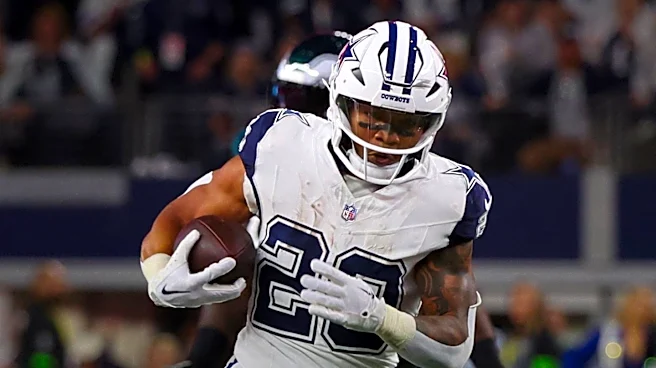
The brutal physics of football also play a massive role. The running back position is a meat grinder. Every carry can result in a violent collision with multiple 300-pound defenders. The result is a much shorter career span and a higher risk of injury. Teams are hesitant to invest massive, long-term contracts in players who might see a significant drop-off in production by age 27 or 28. Receivers, by contrast, tend to age more gracefully. While they take hits, they operate in more space and have more control over the contact they absorb. A receiver who loses a step can often compensate with savvy route-running, while a running back who loses their explosive burst is often rendered ineffective. This leads front offices to view running backs as more replaceable, with a steady stream of young, cheap talent entering the league every year through the draft.
A System Built Against Them
The NFL's very structure works against running backs. The 2011 Collective Bargaining Agreement introduced a rookie wage scale that puts all draftees on cost-controlled, four-year contracts. For a position like running back, where players often peak physically in their early-to-mid 20s, this means their most productive years are spent on relatively cheap deals. By the time they are eligible for a massive second contract, they are often nearing the age where teams become concerned about decline. This gives teams immense leverage. They can get a running back's best years at a discount, use the franchise tag to keep them for another year or two, and then let them walk in free agency as they approach 30, only to draft a new, young replacement.
The Exception That Proves the Rule
There are, of course, outliers. Players like Christian McCaffrey have secured top-of-the-market deals, but they do so by transcending the traditional running back role. McCaffrey is essentially an elite receiver playing out of the backfield, and his $19 million average annual salary reflects that versatility. He and other new-age backs like Bijan Robinson and Jahmyr Gibbs are commanding higher salaries because they are major threats in the passing game, further proving the league's core belief: value is tied to the throw. Their success doesn't signal a market correction for the traditional, ground-and-pound back; it highlights the financial premium placed on catching the football, no matter your official position.