


The Playmaker Is Everywhere
The most obvious shift is in who runs the offense. The classic model of a small, pass-first point guard initiating every play is becoming a relic. Today, the primary playmaker might be a 6-foot-9 forward like LeBron James or a 7-foot center like Nikola
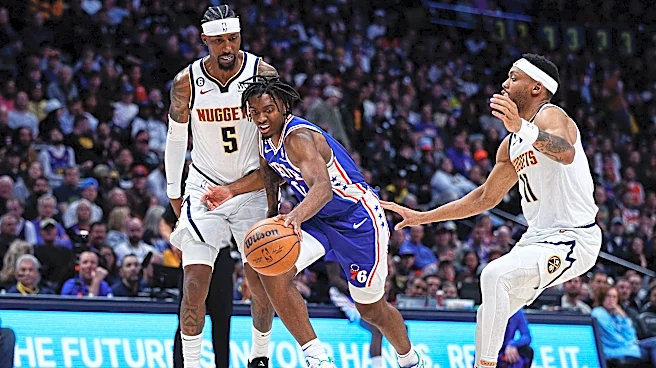
Jokić. Jokić, in particular, has completely revolutionized the center position by functioning as the Denver Nuggets' offensive hub, leading the team in assists from the high post and even bringing the ball up the court. This trend isn't limited to a few outliers. Across the league, teams are handing the keys to bigger players who can see over the defense and create mismatches, forcing opponents into uncomfortable defensive assignments. The result is that the role of "playmaker" is no longer tied to the point guard position; it's a skill that can come from anywhere on the floor.
The Age of the Versatile Wing
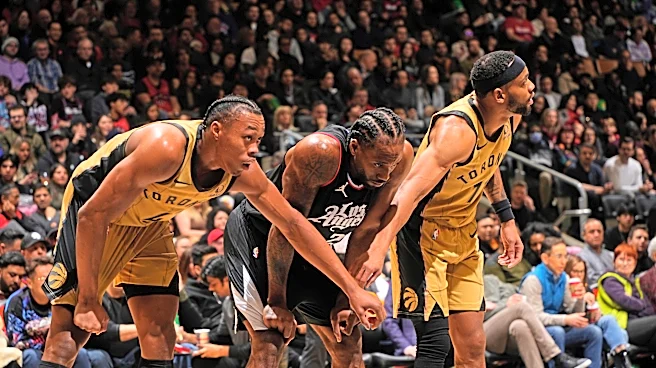
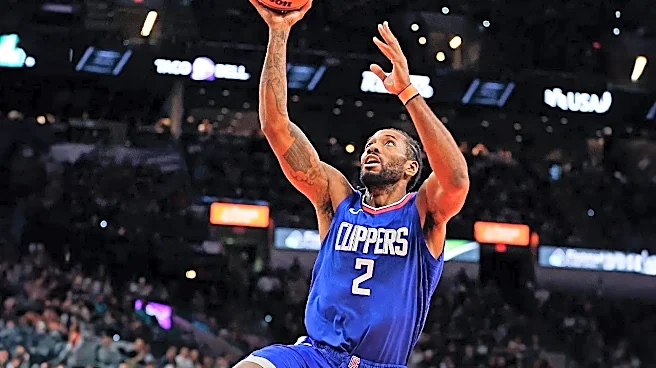
If there is a single archetype that GMs covet most, it's the versatile, two-way wing. These are players generally between 6-foot-6 and 6-foot-9 who can shoot from distance, create their own shot, and, most importantly, defend multiple positions. The league's emphasis on the three-point shot and data-driven efficiency has stretched the floor, placing a premium on players who can thrive in space. Wings like Kawhi Leonard and Jayson Tatum exemplify this ideal. They have the size and strength to guard larger forwards but also the quickness to stay in front of smaller guards. This defensive switchability is the backbone of modern NBA defenses, allowing teams to neutralize the constant pick-and-rolls that define today's offenses. Because they can impact both ends of the floor, these players offer a flexibility that is more valuable than ever.
The Big Man Learns New Tricks
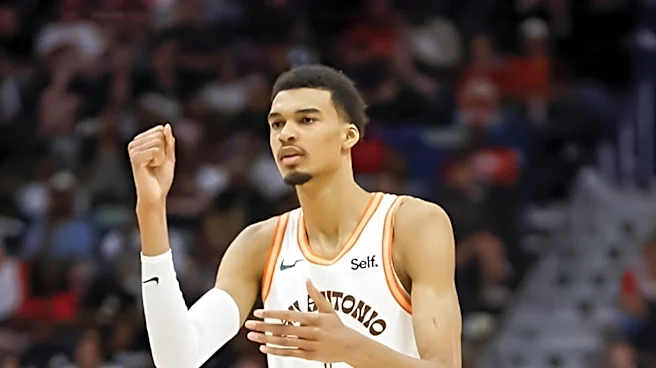
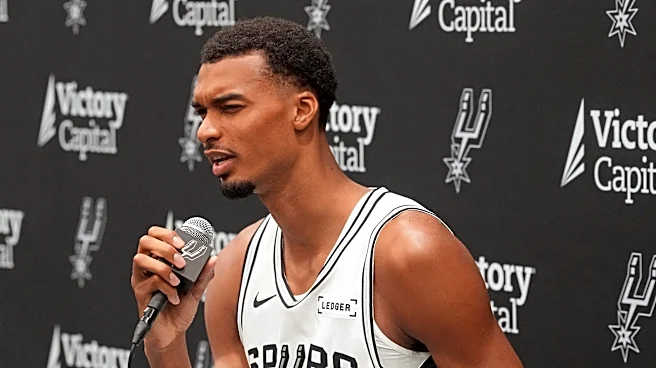
The traditional, back-to-the-basket center who only scores in the paint and protects the rim is nearly extinct. In their place is a new breed of big man who is expected to be as skilled as a guard. The three-point revolution forced centers to move away from the basket to space the floor, a transition personified by players like Brook Lopez, who transformed from a post-up threat into a high-volume three-point shooter. But the evolution didn't stop there. Beyond playmaking savants like Jokić, we now have phenoms like Victor Wembanyama. Standing at 7-foot-4, Wembanyama combines the shot-blocking instincts of a traditional center with the ball-handling and shooting skills of a wing, making him a matchup nightmare who defies any positional label. These modern bigs can no longer be liabilities on the perimeter; they are now expected to be integral parts of a fluid, five-out offense.
It's Not a Position, It's a Role
So, what is the most important position? The answer is that the question itself is becoming obsolete. It's more useful to think in terms of roles rather than positions. Instead of five distinct spots, modern teams are often built around a few key functions: a primary initiator who creates offense for everyone else, versatile two-way wings who can guard multiple spots and space the floor, and specialized finishers or rim protectors. The league itself has acknowledged this shift, making its All-NBA teams positionless to better reflect how the game is actually played. The most valuable player is no longer the best point guard or the best center, but the player whose unique skills can bend a defense and create the biggest advantage, regardless of what position they are listed as on the depth chart.