


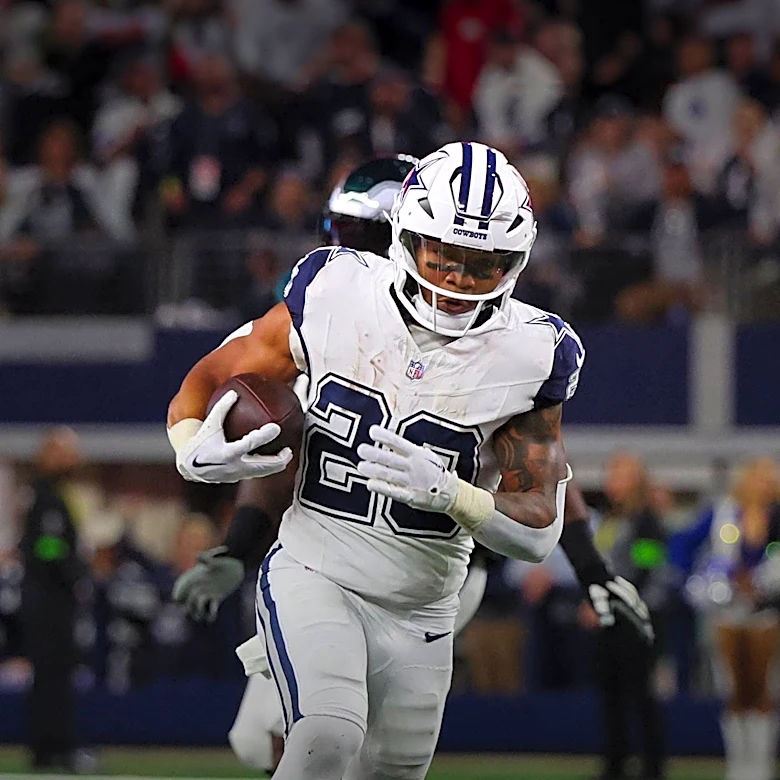



Falling in Love with Last Year's Results
One of the most common traps is assuming last season's breakout stars and biggest busts will simply repeat their performances. Every NFL season is a new story. Coaching changes, offensive line turnover, and simple regression to the mean can drastically
alter a player's value. A player who scored an unsustainable number of touchdowns might see that number drop, while a player who was hampered by injury could be poised for a major bounce-back. Your job isn't to draft the 2025 All-Pro team; it's to project what players will do in 2026. Use last year's stats as a starting point for your research, not the final word.
Panicking During Positional Runs
You've seen it happen. Three quarterbacks go in five picks, and suddenly, a wave of panic hits the draft room. Managers abandon their strategy to grab a QB they didn't even want, just so they don't "miss out." This is a classic mistake. When your leaguemates are zigging, you should look for the value in zagging. Every time a player is drafted at a position out of fear, it pushes a more valuable player at another position down the board to you. Don't let your league's anxiety dictate your picks. Stick to your draft board and trust the process of selecting the best player available, regardless of the run happening around you. Let others overpay; you can scoop up the value they leave behind.
Drafting Only to Fill Your Starters
It seems logical: draft players until your starting lineup is full, then worry about your bench. But this is a surefire way to leave value on the table. A high-upside wide receiver available in the eighth round is almost always a better pick than a mediocre tight end, even if you still have an empty TE spot in your lineup. Your goal on draft day is to accumulate as much overall value as possible. You can always find a serviceable starter for a less critical position later in the draft or on the waiver wire. Building a deep bench of talented players gives you flexibility for trades, bye weeks, and inevitable injuries.
Ignoring Your League's Specific Rules
This mistake sounds basic, but it sinks seasons every year. You can't build a winning team if you don't know how you score points. Is it a PPR (point per reception) league? That massively boosts the value of pass-catching running backs and target-hog receivers. Is it a Superflex or 2QB league? Quarterbacks suddenly become the most valuable assets, worthy of early-round picks. Showing up to a Superflex draft unprepared is a season-ending mistake. Before you do a single mock draft, read your league's scoring and roster settings. Knowing the rules is the absolute minimum level of preparation required.
Letting 'Homerism' Cloud Your Judgment
We get it, you love your team. But your favorite NFL team's logo shouldn't be your primary draft guide. Reaching for players from your favorite team, a phenomenon known as "homerism," often means passing on better players from teams you don't care about. This can also create major bye week problems and makes it emotionally difficult to bench a player who is having a bad matchup. It’s okay to have a rooting interest, but when you're on the clock, you need to be an impartial general manager whose only goal is to build the best possible fantasy roster.
Skipping Mock Drafts
Saying you don't need to do mock drafts is like saying an NFL team doesn't need to practice. Mock drafts are your preseason. They help you get a feel for where players are being drafted (their Average Draft Position, or ADP), test different strategies, and see how the board might fall from your specific draft slot. You can practice starting with a running back, a wide receiver, or even a quarterback in a Superflex league. This preparation makes you more flexible and less likely to panic when the real draft throws you a curveball. Don't be the manager who declares they're too good for practice; they're usually the ones finishing in last place.