








Tossing and turning, staring at the ceiling, and counting down the hours until your alarm goes off. If you’re struggling with sleep, you’ve likely tried everything. But what if the answer isn’t a new pillow, but a happier digestive system?
Your Gut Is Your 'Second Brain'
It might sound
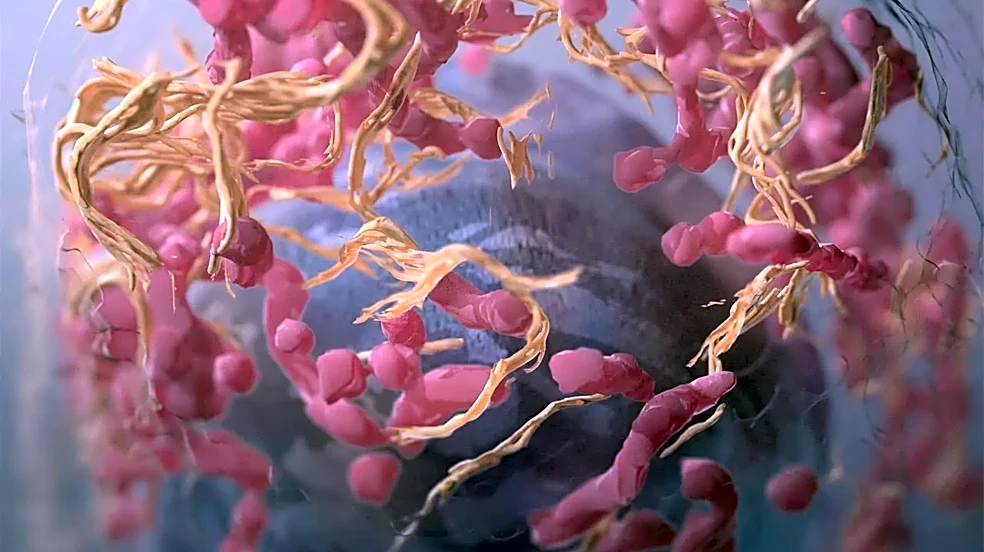
strange, but your gut and brain are in constant contact. This communication superhighway is called the gut-brain axis, a complex network of nerves, hormones, and chemical signals. Think of it like a nonstop, two-way data stream. What happens in your gut doesn't stay in your gut; it sends messages directly to your brain, influencing everything from your mood to, you guessed it, your sleep. This is why scientists often refer to the gut as the 'second brain'. It contains hundreds of millions of neurons and is home to a bustling ecosystem of trillions of bacteria, known as your microbiome. This microbial community has a powerful voice in the conversation with your brain.
The Gut's Sleep-Chemical Factory
One of the most surprising roles of the gut is its production of neurotransmitters, the chemical messengers that regulate brain function. Your gut bacteria are tiny chemical factories that produce or influence a host of compounds essential for sleep. For instance, a significant portion of the body's serotonin, a precursor to the sleep hormone melatonin, is produced in the gut. These microbes also help create GABA (gamma-aminobutyric acid), a neurotransmitter that calms nerve activity and promotes relaxation. When your gut microbiome is diverse and balanced, it reliably churns out these sleep-promoting chemicals, sending consistent, calming signals to the brain that help regulate your natural sleep-wake cycle.
When Bad Guts Cause Bad Nights
So, what happens when this internal ecosystem is thrown off balance? A condition called 'dysbiosis,' or an imbalanced microbiome, can wreak havoc on your sleep. Studies have shown that people with chronic insomnia often have less microbial diversity in their guts compared to good sleepers. An unhealthy gut can lead to chronic, low-grade inflammation. These inflammatory signals can travel to the brain, disrupting the neural circuits that govern sleep and contributing to restlessness and sleep disturbances. It’s a vicious cycle: poor gut health disrupts sleep, and in turn, poor sleep can further damage your gut health by altering the microbiome for the worse.
How to Eat Your Way to Better Sleep
The good news is that this connection is a two-way street, and you can influence it. Nurturing your gut health is a powerful strategy for improving your rest. Start by focusing on fiber. Fiber-rich foods like vegetables, fruits, and whole grains act as prebiotics—they feed your beneficial gut bacteria, helping them thrive. Fermented foods like yogurt, kimchi, and kefir are excellent sources of probiotics, the good bacteria themselves. It's also wise to limit foods known to disrupt sleep and gut health, such as processed foods, excessive sugar, and alcohol, especially in the hours before bed. Creating a consistent eating schedule and avoiding large meals right before lying down can also prevent digestive discomfort that interferes with sleep.