





Marine Heatwaves and Bleaching Reefs
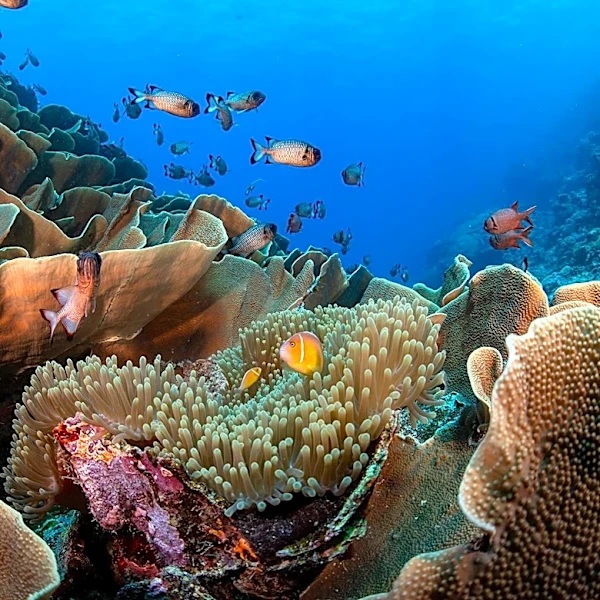
One of the most visible and devastating impacts of ocean warming is the phenomenon of mass coral bleaching. When water temperatures remain too high for too long, corals become stressed and expel the symbiotic algae living in their tissues, which provide
them with food and color. This leaves behind a stark white skeleton. These events, driven by increasingly frequent and intense marine heatwaves, are not just a tragedy for tourism; they represent the collapse of entire ecosystems. Coral reefs serve as critical habitats for thousands of species, protect coastlines from storm surge, and support fisheries that feed millions. Recent years have seen widespread bleaching events devastate reefs from the Great Barrier Reef to the coasts of Florida, a clear sign of an ocean in distress.
Fuel for More Powerful Storms
Warmer water is a direct source of energy for tropical cyclones. As the surface of the ocean heats up, more water evaporates, adding moisture to the atmosphere. This combination of heat and moisture acts like high-octane fuel for hurricanes, allowing them to form more quickly, intensify more rapidly, and carry significantly more rainfall. Scientists have observed a clear trend: hurricanes are becoming more powerful, with a higher proportion reaching major hurricane status (Category 3 or higher). This doesn't just mean stronger winds; it means more devastating storm surges and catastrophic inland flooding, as seen in recent storms that dropped record-breaking amounts of rain on U.S. soil. Rising sea levels, also a consequence of warming and expanding ocean water, further amplify the destructive power of these storm surges.
Marine Life on the Move
Just like animals on land, marine species are adapted to specific temperature ranges. As their habitats warm, fish, whales, and other creatures are on the move, generally migrating toward the poles in search of cooler, more comfortable waters. This great migration is causing a profound reorganization of marine ecosystems. For American fisheries, this creates unprecedented challenges. Long-established fishing grounds are seeing their target species disappear, while new species move in, disrupting the delicate food web. For example, shifts in the distribution of commercially vital species like lobster and salmon have significant economic consequences for coastal communities that have depended on them for generations. These changes can also lead to increased risks for wildlife, such as whale entanglements in fishing gear as their feeding grounds shift closer to shore.
A Suffocating Ocean
A lesser-known but equally critical consequence of ocean warming is deoxygenation—the loss of dissolved oxygen in the water. Warmer water simply cannot hold as much oxygen as colder water. At the same time, warming increases the metabolic rate of marine organisms, meaning they need more oxygen to survive. This creates a dangerous squeeze on marine life. Furthermore, warmer surface waters are more buoyant and don't mix as easily with the colder, deeper layers, which reduces the transport of oxygen from the surface to the deep sea. Since the mid-20th century, the ocean's oxygen content has already declined by about 2%, while the volume of waters with zero oxygen has quadrupled since the 1960s, creating expanding "dead zones" where most marine life cannot survive.