







The Old Automation Anxiety
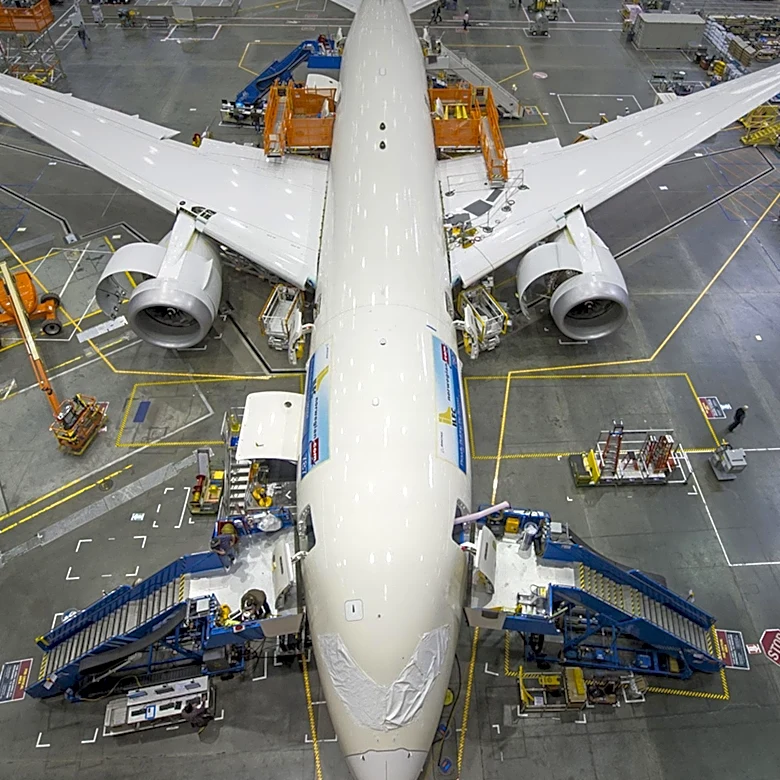
The classic image of technological disruption involves a robotic arm on an assembly line, replacing a human worker. For decades, this narrative held true. Automation primarily targeted manual, repetitive, and physically demanding tasks. The consensus
was that a college degree and a desk job offered a reliable shield. The jobs most at risk were those in manufacturing, logistics, and data entry. This led to a clear prescription for career security: get more education and move into a 'knowledge worker' role where human intellect, not physical labor, is the core currency.
The New White-Collar Vulnerability
The rise of generative AI has flipped the script. Unlike the technologies of the past, today's AI excels at cognitive tasks once considered exclusively human. It can write code, draft legal documents, create marketing campaigns, and analyze financial reports. As a result, the professions feeling the most pressure are no longer just on the factory floor. Research now shows that relative demand for white-collar jobs is declining, while blue-collar work, for now, remains harder to automate. Tasks that are digital and text-based are highly susceptible to AI, putting portions of jobs like paralegal, accountant, and even software developer at risk. The new reality is that a high level of education may not be the ironclad defense it once was.
It's About Skills, Not Just Diplomas
The real dividing line in the age of AI isn't blue-collar versus white-collar, but which skills can be replicated by a machine. A recent Brookings Institution report highlights a critical group of workers it calls 'STARs'—those Skilled Through Alternative Routes, without a four-year degree. Millions in this group hold 'Gateway' jobs like clerical and administrative roles that have traditionally been stepping stones to higher-wage careers. AI now threatens to erode these pathways, creating a bottleneck for upward mobility. Conversely, many hands-on trade jobs requiring physical problem-solving, like electricians and plumbers, are proving remarkably resilient to automation. The most valuable skills are becoming those that machines can't mimic: critical thinking, emotional intelligence, leadership, and adaptability.
The Real 'Falling Behind'
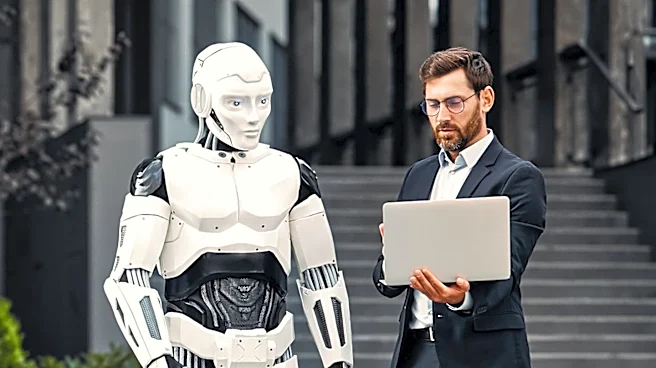
In this new landscape, falling behind isn't just about having your job automated away. It's about failing to adapt. A recent McKinsey study projects that while AI will displace millions of jobs, it will also create millions more. The core challenge isn't a scarcity of jobs, but a crisis of mobility—helping workers transition from declining fields to growing ones. The professional who falls behind is the one who resists change and refuses to learn how to work alongside AI. According to a Workday report, many business leaders expect AI to augment their existing workforce rather than replace it, but employees often don't feel they're getting the training needed to adapt. The most successful professionals will be those who treat AI as a tool, using it as a starting point for work that still requires human judgment and oversight.