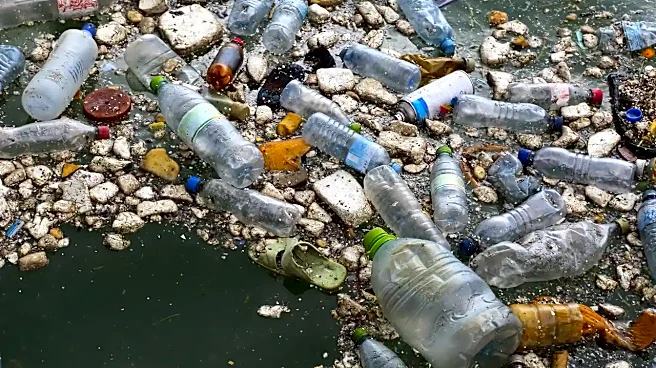





Coral reefs, the vibrant underwater cities of the ocean, are facing a threat more insidious than ever imagined. It’s not just that plastics are tangling and smothering them; new research shows microplastics are being built into their skeletons.
Plastic Entombed in Bone
The postcard
image of a pristine coral reef is becoming a fantasy. In a series of recent studies, scientists have made a startling discovery: corals are incorporating microplastics directly into their calcium carbonate skeletons. Researchers in Japan and Thailand found plastic particles in all three parts of the coral anatomy they studied: the surface mucus, the living tissue, and deep within the skeleton itself. A separate study in a Malaysian marine park found microplastics in 64% of the coral fragments sampled, with the highest concentrations found in the busiest tourist areas. This isn't just plastic sitting on the surface; it is becoming a permanent, fossilized record of our pollution, entombed within the very structure of the reef. Researchers have even hypothesized this could help explain the 'missing plastic problem,' where a huge percentage of plastic that enters the ocean seems to disappear. It may be that coral reefs are acting as massive, long-term sinks for our waste.
How Plastic Becomes Part of the Coral
Corals don’t have eyes or brains, but they are active feeders. The tiny polyps that form a coral colony extend their tentacles to catch prey like zooplankton floating in the water. To a coral polyp, a tiny, floating piece of plastic can be indistinguishable from a meal. Once ingested, these particles can get trapped. Some are incorporated into the coral’s living tissue, but others go deeper. As the coral grows, it secretes layers of aragonite to build its hard skeleton. Scientists believe the ingested plastic particles can get embedded in this process, layer by layer. Another pathway is through simple adhesion; bits of plastic stick to the coral's surface mucus and are then overgrown by new polyp growth, effectively sealing the plastic inside. Research has also shown that corals already stressed by bleaching or tissue loss may absorb plastics even faster.
A Foundation of Junk
Building your home out of junk material is a bad idea, and it appears the same is true for corals. While the full, long-term consequences are still being investigated, early findings are alarming. Studies have shown that exposure to microplastics and their leached chemicals can have a range of negative effects. It can reduce coral growth and calcification rates, interfere with photosynthesis, and disrupt their crucial symbiotic relationship with the algae that provide most of their food. More disturbingly, chemicals leaching from plastics have been found to significantly harm coral reproduction and the ability of their larvae to settle and build new reefs. This one-two punch—weakening existing corals while preventing new ones from growing—threatens the resilience of the entire ecosystem. Some studies also suggest plastic debris can act as a vector for pathogens, increasing the likelihood of disease.
Why a Plastic Reef Matters to You
The health of coral reefs, even those thousands of miles away, has a direct impact on life in the U.S. These ecosystems are not just beautiful; they are critical infrastructure. They support about 25% of all marine life, including many fish species that are staples of the global and American seafood supply. They also act as natural, self-repairing breakwaters, protecting coastal communities from storm surges and erosion—a service that is increasingly vital in an era of rising sea levels and more intense weather. The discovery that these foundational ecosystems are slowly turning into plastic hybrids is a profound symbol of how deeply our pollution has penetrated the natural world. It signals a new, more permanent stage of environmental degradation, creating a 'plasticoral' or 'plastiglomerate' geological record that will persist for centuries.