





The Suburban Tsunami
The foundation of the Democratic victory was built in the suburbs. For the first time, Democrats didn't just cut their losses in the 'collar counties' around Columbus, Cincinnati, and Cleveland; they won them outright. In Delaware County outside Columbus and Warren
County outside Cincinnati, areas that have long been Republican strongholds, the Democratic gubernatorial candidate, Amy Acton, appears to have won by narrow margins. This wasn't just about President Trump's unpopularity; polling from late October showed independents breaking for Democrats by double-digit margins. The shift suggests a fundamental realignment, where suburban voters, concerned with 'threats to democracy' and seeking a check on political power, moved decisively into the Democratic column.
A Surge in Youth and Urban Turnout
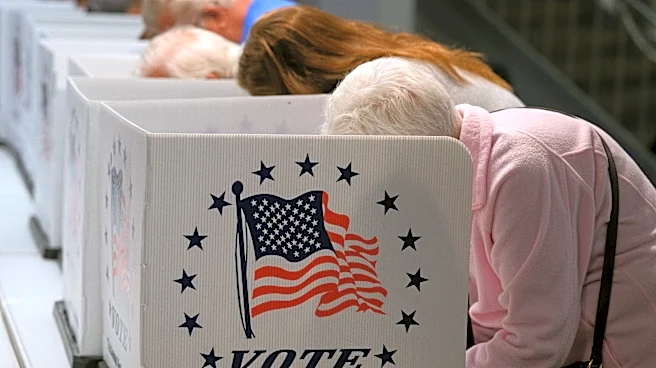
While suburban shifts were crucial, they wouldn't have mattered without a massive get-out-the-vote effort in urban centers and among young voters. Statewide, voter turnout hit 58%, the highest for a midterm election in Ohio since 1990. In Cuyahoga County (Cleveland), turnout was a solid 55%, but the real story was in Franklin County (Columbus), which is now the state's largest source of votes. Franklin County produced about 15% of Amy Acton's total votes. Nationally, voters under 30 swung sharply back to Democrats after a period of relative softness for the party in 2024. This surge was mirrored in Ohio, where campus organizing and concerns over economic futures mobilized a demographic that often sits out midterm elections.
Slowing the Bleed in Rural Ohio
Democrats will never win the deep-red rural counties of Ohio, but this year they proved they don't have to. They just have to lose by less. In a significant departure from past elections, Democrats invested in rural outreach, focusing on economic issues that resonate across party lines, like retirement security and the rising cost of healthcare. The strategy paid off. While Republican candidates still won these areas by wide margins, Democrats managed to shrink those margins by several percentage points compared to the 2022 and 2024 elections. In a statewide race decided by a few points, turning a 40-point loss in a county into a 35-point loss, when repeated across dozens of counties, makes a decisive difference. It supplied the precious votes needed to push Acton and Senator-elect Sherrod Brown over the top.
Candidate Quality and Crossover Appeal
Finally, the numbers reflect a simple truth: candidates matter. In the governor's race, former Ohio Department of Health Director Amy Acton became a household name early in her career, projecting a sense of calm competence. She defeated Vivek Ramaswamy, a candidate who struggled to consolidate the Republican base. An analysis of vote totals shows that over 100,000 voters likely cast ballots for down-ticket Republicans but refused to vote for Ramaswamy at the top of the ticket. In the Senate race, former Senator Sherrod Brown won back his seat from incumbent Jon Husted, leveraging his deep connection with working-class voters. Polling before the election showed both Acton and Brown with significant leads among independent voters, proving that in a state with more registered independents than Democrats or Republicans, crossover appeal is the only path to victory.